Dubai’s Luxury Real Estate Market Enters a Stable, Mature Growth Cycle

Dubai’s Luxury Real Estate Market Enters a Stable, Mature Growth Cycle

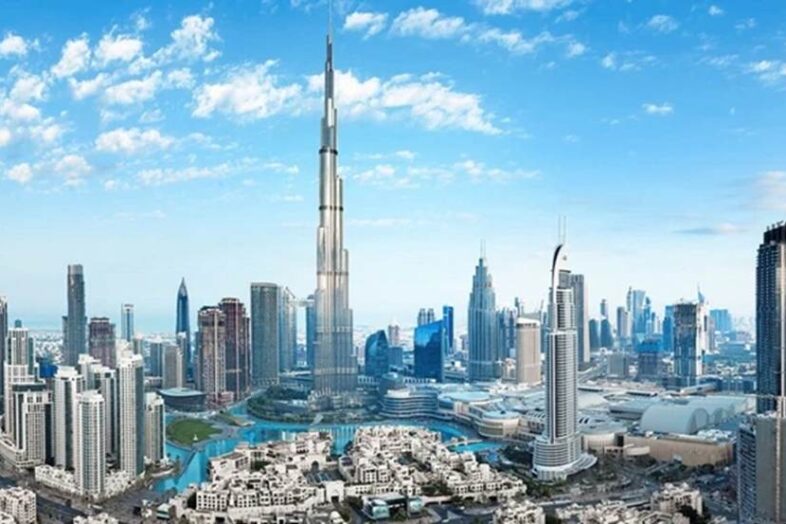
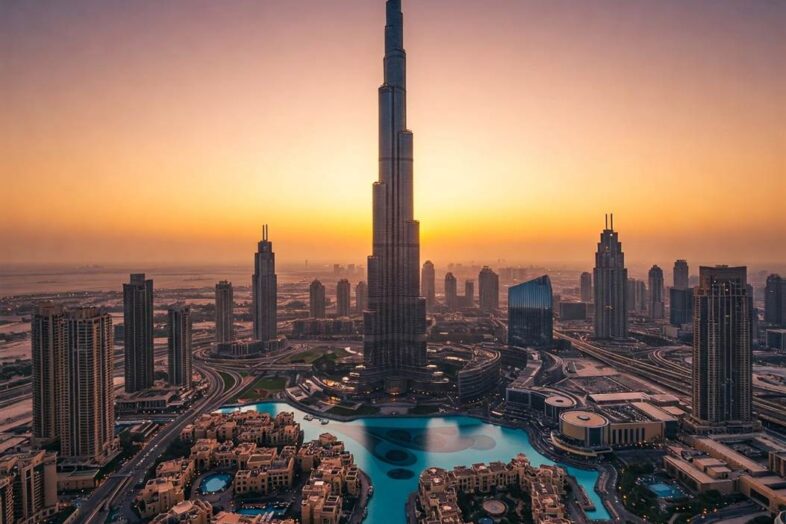
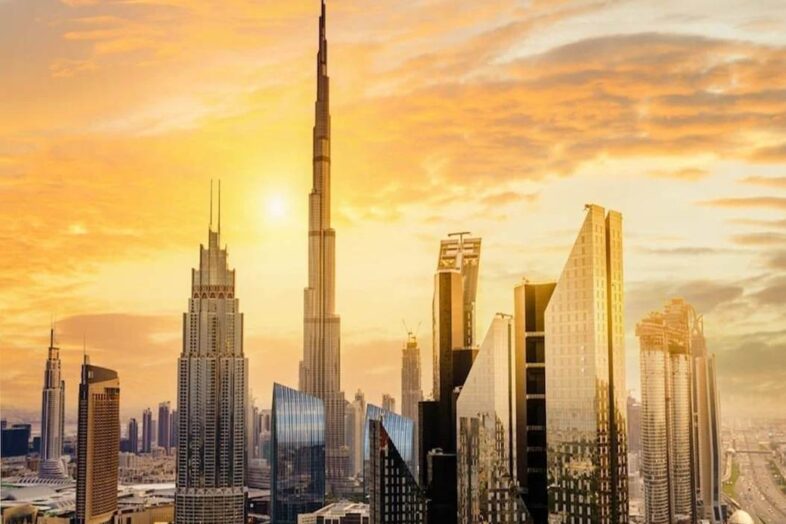
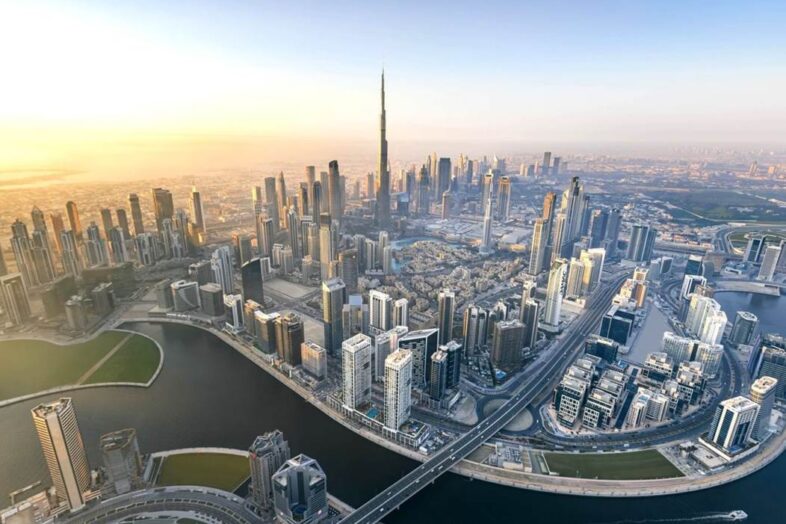
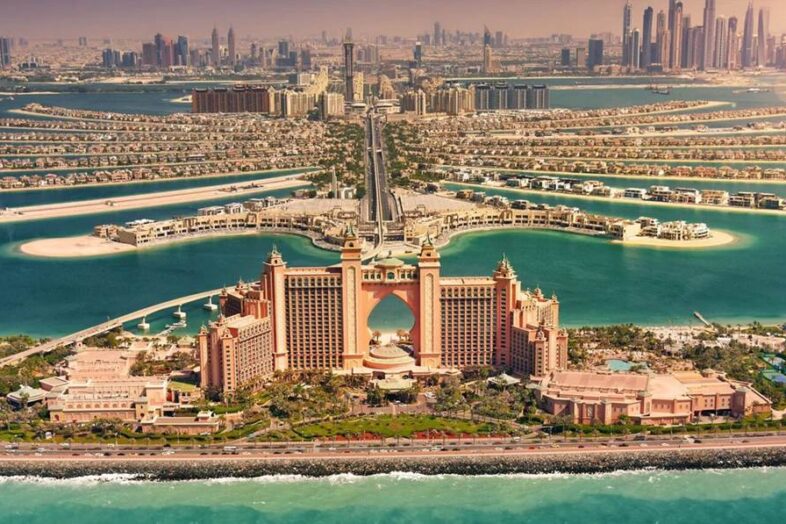
By Kiana Jehangir Dubai’s luxury real estate sector is undergoing a significant shift. After two years of record-breaking price appreciation, transaction volume, and unprecedented inflow of ultra-high-net-worth buyers, the market is now transitioning into a phase of stabilization and maturity. This shift does not signal a slowdown — rather, it marks a more sustainable and strategically rational growth trajectory, one defined by quality over volume, end-user residency over speculation, and long-term value creation over short-term turnover. This evolution is reflective of multiple converging forces: demographic transformation, wealth migration, regulatory modernization, and the global repositioning of Dubai as a secure, tax-efficient, lifestyle-driven hub for both capital and residency. _________________________________________________________________________________ Table of Contents _________________________________________________________________________________ 1. Market Overview: From Rapid Growth to Stable Maturity From 2021 to 2023, Dubai recorded the fastest growth in luxury home prices globally, outpacing London, New York, and Singapore. This surge was driven by: However, as the market matured: The result is a healthy, sustainable market cycle — not a boom-and-bust curve. _________________________________________________________________________________ 2. Demand Drivers: Who Is Buying and Why? The buyer profile has evolved decisively. Today’s luxury buyers in Dubai are: What they prioritize: This aligns with Dubai’s repositioning as a primary home market, not a secondary vacation-home market. _________________________________________________________________________________ 3. The Shift Toward End-User Ownership Dubai’s luxury market is no longer speculative. End-users now represent the majority of $5M+ transactions, and they typically hold property for: This reduces market volatility by removing the rapid buy-sell turnover common in speculative cycles. As a result: This end-user anchoring aligns with the evolution noted in luxury home buying behavior across Dubai Marina and other waterfront enclaves, where purchases are driven by lifestyle fit, privacy, and long-term settlement rather than investment flipping. article example _________________________________________________________________________________ 4. Supply Trends: Ultra-Low Inventory and Limited Land A defining characteristic of Dubai’s luxury cycle is the scarcity of buildable waterfront and ultra-prime land. This supply constraint is structural — not temporary. Key pressure points: This imbalance supports price stability and long-term value appreciation. _________________________________________________________________________________ 5. Pricing Outlook: Why Values Are Holding Firm Unlike previous cycles, price stabilization today is not driven by oversupply corrections, but by: This means: The market has effectively re-rated luxury property upward into a new value category. _________________________________________________________________________________ 6. Neighborhoods Leading the Luxury Cycle Location Positioning Buyer Profile Palm Jumeirah Mature ultra-luxury waterfront living UHNW families, long-term villa owners Jumeirah Bay Island Private island exclusivity Global elites seeking anonymity Dubai Hills View & Grove Golf course privacy + land GCC families and end-user estate-builders Dubai Marina (waterfront towers + penthouses) Urban marina lifestyle Young executives + investor-residents article example  The shift is clear: spaces with privacy, land, and architectural differentiation outperform high-density towers. _________________________________________________________________________________ 7. Developer Strategy: Limited Editions, Branded Living, and Design-Led Homes Developers are responding to this maturity curve by prioritizing: This aligns with the design philosophy behind luxury home purchasing behavior, where emotional resonance and lifestyle integration now outweigh pure investment rationale. Structuring Your Content for SE… _________________________________________________________________________________ 8. What This Means for Investors The opportunity is now long-term, not speculative. Investors should focus on: Expected returns under the mature cycle: In other words: Dubai is now a wealth-preservation market, not just a wealth-growth market. _________________________________________________________________________________ 9. Conclusion Dubai’s luxury real estate market is not cooling — it is refining. The era of rapid surge has transitioned into a new phase defined by: This maturity marks Dubai’s arrival as one of the world’s leading primary home markets for the global elite — not just a place to invest, but a place to live.
Abbas Sajwani and the Rise of AHS Properties: Redefining Ultra-Luxury in Dubai’s Real Estate Landscape

Abbas Sajwani and the Rise of AHS Properties: Redefining Ultra-Luxury in Dubai’s Real Estate Landscape

By: Kiana Jehangir Dubai’s luxury property market has expanded at a historic pace over the last three years, and few names have risen as quickly — or as strategically — as Abbas Sajwani, Founder & CEO of AHS Properties. In a market where high-net-worth buyers demand more than square footage and skyline views, Sajwani has positioned AHS Properties as an artisanal developer of experiential luxury spaces: curated, architectural, emotionally resonant homes designed for the global elite. Launched in 2021, AHS Properties has already crossed over USD $1 billion in real estate assets — a trajectory that typically takes developers decades to establish. But the company’s accelerated ascent is not accidental. It is the product of aggressive precision: ultra-limited inventory, iconic locations, globally renowned architects, and a buyer profile composed of UHNWIs from Europe, the GCC, Russia, and increasingly Asia. ________________________________________________________________________________ Table of Contents ________________________________________________________________________________ 1. The Vision Behind AHS Properties Sajwani entered the market with a simple but strategically disruptive belief: Luxury real estate should feel bespoke — not mass-developed. Instead of competing in volume, AHS focuses on: In interviews, Sajwani emphasizes that ultra-luxury is not about how much marble or glass is used. It’s about: This philosophy aligns AHS Properties more closely with global luxury ateliers than conventional developers. ________________________________________________________________________________ 2. A Billion-Dollar Portfolio in Three Years Since its founding in 2021, AHS Properties has rapidly assembled and launched several landmark projects across Dubai’s most prestigious waterfront enclaves, including Palm Jumeirah and the Dubai Water Canal. Key portfolio highlights include: Project Location Category Positioning One Canal Dubai Water Canal Ultra-luxury Residential Private spa, panoramic canal and skyline views One Crescent Palm Jumeirah Luxury Penthouse + Villa Residences Organic, sculptural architecture and uninterrupted water views Signature Villa Collection Palm Jumeirah Fronds Ultra Prime Villas Fully customized interiors, exclusive beachfront footprint Across these developments, price points commonly range from AED 40M to AED 150M+, placing AHS firmly in the super-prime segment of Dubai real estate. ________________________________________________________________________________ 3. How AHS Curates Ultra-Luxury AHS Properties works with globally recognized architectural and interior design firms known for sculptural forms and spatial harmony. The aim is not to create “expensive homes,” but rather: Homes that feel intentional, architectural, and irreplaceable. Their approach includes: This approach resonates with UHNW buyers for whom: ________________________________________________________________________________ 4. The New Buyer: Who is Driving Dubai’s High-End Demand? The ultra-luxury buyer segment in Dubai has shifted significantly since 2020. The new clientele includes: They are not speculative buyers. They are long-term relocators prioritizing: Dubai’s regulatory modernization — including Golden Visa eligibility tied to real estate investment — has further accelerated this demographic shift. ________________________________________________________________________________ 5. Why Dubai is the World’s Fastest-Growing Luxury Market Dubai recorded the highest growth in $10M+ home sales globally in both 2022 and 2023. Key drivers: This has repositioned Dubai from a “speculative luxury market” to a long-term wealth residence market. ________________________________________________________________________________ 6. What Makes AHS Properties a Category Leader AHS Differentiator Market Impact Ultra-limited supply Protects value and resale appreciation Architectural identity per project Prevents brand commoditization Locations in globally recognized enclaves Sustains demand across cycles UHNWI-centric amenities (spa, air, sound, privacy engineering) Moves beyond aesthetics into wellness and life-quality design Personalization capability Creates emotional ownership and attachment Sajwani is not simply selling homes. He is curating private worlds. ________________________________________________________________________________ 7. Looking Forward: Expansion, Global Collaborations, and Market Outlook AHS Properties is now entering its next phase: As the global luxury buyer continues to consolidate into tax-stable, lifestyle-driven jurisdictions, AHS stands positioned to define the next chapter of Dubai’s architectural luxury identity. ________________________________________________________________________________ 8. Conclusion In a market crowded with developers promising lifestyle, AHS Properties delivers rarity. Abbas Sajwani has built more than a portfolio — he has built a design language of modern Arabian luxury, one that communicates privacy, craft, and global sophistication. Where others scale, AHS refines. Where others build for markets, AHS builds for individuals. And in luxury, that distinction is everything.

DIFC Real Estate vs Dubai Land (DLD) Real Estate: A Comprehensive Guide

DIFC Real Estate vs Dubai Land (DLD) Real Estate: A Comprehensive Guide

A comparison between DIFC real estate rule and DLD real estate. Dubai’s property market offers two main paths: buying in the Dubai International Financial Centre (DIFC) or buying elsewhere under the Dubai Land Department (DLD). Each path follows its own legal rules, fees, processes and ongoing requirements. This guide explains every aspect of owning residential or commercial property in DIFC versus DLD areas. 1. Legal Framework and Ownership Structure Understanding the legal environment helps you plan your purchase. Jurisdiction Property Registration Freehold vs Leasehold Entity Ownership Strata Management 2. Buying Property: Procedures and Costs The basic steps are similar but involve different authorities and fees. 3. Gifting and Inheritance Estate planning rules differ between the two regimes. Gifting to Family Inheritance and Wills Minors’ Ownership 4. Day-to-Day Ownership and Management After purchase, ownership and leasing rules vary. A. Landlord-Tenant Regime Outside DIFC (DLD/RERA Law) Inside DIFC (Leasing Law No. 1 of 2020) B. Lease Registration C. Security Deposits D. Dispute Resolution E. Service Charges 5. Commercial Property Considerations Buying offices, retail or other commercial units involves these nuances. Tenant Pool Use and Licensing Long-Term Leases Service Charges Prestige vs Variety Conclusion Choosing between DIFC and DLD real estate depends on your priorities: Both systems are foreign-investor friendly. By understanding the legal framework, purchase process, ongoing management rules, and commercial nuances, you can navigate Dubai’s property market with confidence and choose the path that matches your goals.

Dubai Waterfront Properties: An Exceptional Investment Opportunity

Dubai Waterfront Properties: An Exceptional Investment Opportunity

By: Kiana Jehangir Dubai’s waterfront properties have rapidly emerged as one of the most promising avenues for real estate investors, attracting attention due to their unique combination of exclusivity, robust financial performance, and lifestyle appeal. In this analysis, we will explore the fundamental factors behind their impressive reputation and explain why these assets are regarded as premier choices in today’s market. Scarcity Drives Value: Understanding Market Dynamics Waterfront real estate in Dubai is characterized by its limited supply—a crucial factor underpinning its enduring value. As of 2024, less than 8% of residential property sales were attributed to beachfront homes, reflecting their scarcity within the broader market. Furthermore, only about 7% of Dubai’s seafront land remains available for development, making new waterfront projects increasingly rare and highly sought after. Landmark communities such as Palm Jumeirah dominate the premium segment, accounting for 52.3% of all property sales above AED 36,730,000. Other areas, including Dubai Marina and Jumeirah Beach Residence, consistently experience high demand and limited inventory, which combine to create a highly competitive environment for both local and international buyers. As a result, the value of waterfront homes continues to appreciate, sustaining their position as one of the most lucrative investment options in Dubai. Price Appreciation and Long-Term Growth Recent market data illustrates the exceptional price growth realized by owners of waterfront properties. These homes have experienced an average annual increase of approximately 19%, which far exceeds gains seen in other areas of the city. On Palm Jumeirah, for example, the average unit size has evolved from 1,094 sq. ft. in 2020 to 5,500 sq. ft. by 2025, signalling strong market momentum and robust investor interest. Properties closer to the water consistently command a price premium over those located inland, and this gap is expected to widen as Dubai’s coastline becomes further developed and global demand intensifies. Such sustained appreciation underscores the superiority of waterfront homes in terms of both capital growth and asset security. Reliable Rental Yields and Income Stability Another critical advantage of waterfront properties in Dubai is their remarkable rental income potential. These locations attract a diverse tenant base, including business professionals, expatriates, families, and tourists, all willing to pay a premium for access to top amenities and scenic surroundings. Areas like Dubai Marina enjoy particularly high occupancy rates and rental yields, typically ranging between 5.5% and 7.5%. This consistently strong cash flow, coupled with ongoing appreciation, presents an appealing proposition for investors seeking a stable and secure return on investment. For developers, elevated rental yields and robust sales facilitate project funding and foster strong demand during pre-sales activities, further enhancing the attractiveness of these assets within the real estate portfolio. Influence of Leading Developers and Their Strategic Vision The reputation of Dubai’s waterfront properties is also bolstered by the involvement of prominent developers with a proven track record of delivering landmark projects. Nakheel, for instance, revolutionized the market with the creation of Palm Jumeirah, establishing a new standard for luxury waterfront living. Emaar has similarly driven demand through iconic developments such as Dubai Marina and the ongoing Dubai Creek Harbour project. Their commitment to visionary planning and lasting quality ensures that investments in their properties benefit not only from immediate value but also from enhanced long-term prospects. Buyers gain access to professionally managed communities, world-class amenities, and a steady influx of high-end clients, all of which reinforce the security and desirability of waterfront investments. Tax Policy: Maximizing Investor Returns Dubai’s investment climate is further strengthened by its tax-friendly policies, providing distinct advantages to property owners. There is no income tax on rental returns and no capital gains tax payable on the sale of property, enabling investors to fully realize the financial benefits of their investments. Combined with a stable government, modern infrastructure, and luxurious lifestyle offerings, Dubai’s waterfront addresses remain among the most attractive choices for discerning investors globally. This environment supports long-term income growth and asset appreciation, making the city particularly appealing to international buyers seeking security and profitability. International Comparison: Competitive Pricing and Superior Yield An analysis of global markets reveals that Dubai’s waterfront properties offer superior value when juxtaposed with prestigious cities such as Monaco or New York. For example, a prime waterfront residence in Dubai typically trades at around AED 3,107 per square foot, compared to more than AED 20,832 for similar properties in Monaco. Despite their more accessible initial price point, Dubai homes consistently deliver higher rental yields and stronger capital growth. This unique combination of affordability and return positions Dubai as a global leader for investment, with prospects likely to strengthen as further development and innovation unfold. Forward-Thinking Urban Planning and Government Support Dubai’s long-term vision is exemplified by strategic initiatives such as the 2040 Urban Master Plan, which foresees extensive expansion and enhancement of waterfront areas. The plan projects an increase in public beaches from 12 km to 48 km and a doubling of green park areas from 1,000 to 2,000 hectares. New cultural, retail, and leisure destinations along the coastline are set to boost residential attractiveness and sustain tourism growth, reinforcing demand for premium properties. Established communities—including Dubai Marina, Jumeirah Beach Residence, and Palm Jumeirah—will benefit directly from infrastructure improvement and enhanced public amenities, ensuring their continued status as safe and rewarding investments. Conclusion: A Strategic Choice for Growth and Security In summary, Dubai waterfront properties provide investors with a compelling blend of exclusivity, rental profitability, and long-term capital appreciation. Supported by forward-thinking policy, visionary development, and an exceptional lifestyle offering, these assets remain resilient, profitable, and versatile within any investment portfolio. The absence of property taxes, coupled with substantial rental income and enduring global demand, positions Dubai’s waterfront homes as an outstanding choice for those seeking security, growth, and superior value in international real estate.

What Drives Property Price Growth in Dubai?

What Drives Property Price Growth in Dubai?

By Kiana Jehangir Dubai’s real estate market has captured global attention for its rapid price escalation over recent years. But behind the headlines lies a complex interplay of factors — from macroeconomics to infrastructure, policy to demographics. Understanding what drives property price growth helps investors and buyers distinguish between transient hype and sustainable value. Below is an in-depth look at the key drivers shaping property pricing trends in Dubai today. Strong Economic & Population Momentum One of the foundational drivers of Dubai’s property prices is sustained economic growth and demographic expansion. The UAE’s push to diversify its economy away from oil has positioned sectors like trade, logistics, tourism, technology, and finance at the center of growth. Real estate is one of the pillars supporting this transition. Population forecasts reinforce long-term demand: by 2040, Dubai is projected to host around 5.8 million people. That kind of growth inherently places pressure on housing supply and, by extension, property prices. Real estate developers and investors see that potential and often price in future demand well ahead of full market absorption. Supply Constraints & Infrastructure Development While developers are active, meaningful supply cannot always keep pace with demand. New launches, construction delays, site approvals, and land scarcity in prime zones all act as natural brakes on supply growth. At the same time, major infrastructure projects and urban master planning raise future land values. When a new metro line, road network, retail hub, or mixed-use development is announced, properties in its vicinity often begin to appreciate ahead of full completion. Land that was once considered peripheral becomes desirable, and that uplift is factored into pricing. Government Policy, Visa & Ownership Incentives Dubai’s regulatory posture plays a central role in driving demand. Several policy levers have provoked strong upward pressure on prices: These policies help convert demand from speculation into more stable, long-term capital flows. Investor Sentiment, Foreign Capital & Global Appeal Dubai is many things: a global hub, a gateway to the Middle East, and a magnet for capital seeking exposure to growth. Its appeal as a relatively stable, tax-friendly, cosmopolitan city draws international investors and high net worth individuals. That global money influences pricing by pushing demand especially in luxury and branded residences. When sentiment is positive, investor demand accelerates, especially when buyers believe prices will continue to trend upward. That self-reinforcing feedback loop often accelerates price growth beyond what fundamentals alone might justify. Financing, Interest Rates & Cost of Capital The price anyone is willing to pay for property is heavily influenced by how affordable financing is. Lower interest rates and favorable lending conditions expand borrowing capacity, allowing buyers to stretch budgets. That can inflate bid prices. Conversely, when rates rise, valuations often compress because debt becomes more expensive to service and buyers must adjust downward. In a currency-pegged environment like the UAE (Dirham to USD), local rates often track global benchmarks, tying Dubai’s capital cost environment to global monetary conditions. Location, Amenities & Execution Quality Not all Dubai real estate is created equal. The difference between an ordinary project and one that commands premium pricing often lies in details: Buyers pay a premium not just for land, but for how the property lives—and how the environment around it evolves. Market Cycles & Price Momentum Real estate markets rarely move in straight lines. Price momentum and market cycles play a significant role in driving property price growth. When buyers see rising prices, they rush to enter before further gains, thereby amplifying the cycle. That said, markets also overshoot. Periods of correction or plateau follow aggressive gains. The challenge for buyers is distinguishing a sustainable uptrend (fueled by real demand) from speculative heat. Outlook & Strategy for Buyers and Investors Given these driving factors, here are key strategic considerations: Conclusion Property price growth in Dubai is rarely driven by a single factor. Instead, it is the confluence of macroeconomics, regulation, capital inflows, infrastructure, and buyer psychology. When sentiment is strong and policies are supportive, price growth can be rapid. But sustainable gains rest on fundamentals. Buyers and investors who anchor their decisions in careful underwriting, location foresight, and risk discipline are best positioned to benefit as Dubai continues its real estate evolution.

How to Calculate ROI on Dubai Rental Properties

How to Calculate ROI on Dubai Rental Properties

By Kiana Jehangir In a market as dynamic as Dubai’s, understanding how to calculate your Return on Investment (ROI) is essential for making sound, data-driven decisions. Whether you’re a first-time buyer or a seasoned investor expanding your portfolio, knowing how to measure the profitability of a rental property will help you identify opportunities that offer both stable income and long-term capital growth. Understanding ROI in Real Estate ROI, or Return on Investment, measures the profit you earn relative to the cost of your property. In real estate, this typically refers to the rental yield—the annual rental income expressed as a percentage of the property’s total purchase cost. Across Dubai, rental yields generally range between 5% and 9%, depending on location, property type, and market conditions. For instance, if you purchase a property for AED 1 million and generate an annual rental income of AED 70,000, your gross ROI would be 7%. However, while this initial figure gives a broad indication of profitability, it doesn’t account for the many variables that affect your actual earnings. That’s where the difference between gross and net ROI becomes critical. Step One: Calculating Gross ROI Formula: Gross ROI (%) = (Annual Rental Income ÷ Property Cost) × 100 Example: This formula provides a quick snapshot of your potential return, useful when comparing different properties or neighborhoods. Yet, it’s only the starting point — the true profitability lies in your net ROI. Step Two: Calculating Net ROI Net ROI takes into account all acquisition and recurring costs, revealing the real earning potential of your investment. Formula: Net ROI (%) = (Net Annual Income ÷ Total Investment Cost) × 100 Example: Total Investment = AED 1,200,000 + AED 48,000 + AED 24,000 + AED 30,000 = AED 1,302,000 Net Income = AED 90,000 – AED 20,000 = AED 70,000 Net ROI = (70,000 ÷ 1,302,000) × 100 = 5.4% This example highlights how the true return can differ from the initial projection once costs are considered. Gross ROI vs Net ROI The key difference lies in precision. Professional investors always rely on net ROI as their benchmark for sustainable profitability. How Location Shapes ROI in Dubai ROI varies significantly by neighborhood. Dubai’s diverse property landscape means yields can fluctuate depending on location and tenant demand. In general, luxury districts with high purchase prices offer lower yields but stronger long-term appreciation, while mid-market areas provide higher cash flow returns. The Impact of Financing on ROI Using a mortgage can affect your ROI in multiple ways. On one hand, financing reduces your initial cash outlay, potentially improving your cash-on-cash return. However, loan repayments and interest charges will reduce your net income. For example, a property with a 7% yield may produce only 3–4% net ROI once mortgage costs are included. It’s important to reassess returns after financing to understand the real value of leverage in your investment strategy. Factoring in Capital Appreciation Rental income is only one part of the ROI equation. Many investors in Dubai also benefit from capital appreciation—the increase in a property’s value over time. If a property purchased for AED 1,000,000 appreciates to AED 1,200,000, that 20% gain should be added to the total return alongside rental income. A full ROI assessment combines both: Total ROI = (Rental Income + Capital Gain – Expenses) ÷ Total Investment This provides a more complete picture of the investment’s overall performance. Common Mistakes That Lower ROI Summary of Key ROI Metrics Metric Formula Typical Range / Example Gross ROI (Annual Rent ÷ Purchase Price) × 100 7.5% (Example) Net ROI (Net Income ÷ Total Cost) × 100 5.4% (Example) Dubai Average Rental Yield Across market 5–9% High-Yield Communities JVC, Business Bay, DSO 6–8%+ Capital Appreciation Value growth over time Adds 10–20%+ over long term Final Thoughts Calculating ROI accurately is fundamental to successful property investment. Gross ROI offers a helpful starting point, but net ROI reveals the real picture—one shaped by maintenance costs, financing, and tenant management. Dubai’s rental market remains one of the world’s most profitable for investors seeking both steady income and strong long-term growth. With yields averaging between 6% and 9%, zero annual property taxes, and a robust market driven by international demand, Dubai continues to stand out as a prime destination for real estate investment.

How Do REITs Work in the UAE Property Market?

How Do REITs Work in the UAE Property Market?

By Kiana Jehangir Real Estate Investment Trusts (REITs) are changing how people invest in property—especially in a market like the UAE’s where direct property ownership carries high capital requirements, management burdens, and regulatory complexity. Below is a deep dive into how REITs function in the UAE, what types are available, their benefits and risks, and what role they play in the Dubai real estate landscape today. What Is a REIT? A REIT (Real Estate Investment Trust) is a company or trust that owns, operates, or finances income-producing real estate assets. Investors can purchase shares or units in a REIT, gaining exposure to the underlying property portfolio without needing to directly manage properties themselves. In the UAE, REITs tend to be structured as closed-ended funds or listed vehicles, often under the oversight of regulatory bodies such as the Dubai Financial Services Authority (DFSA) or the Securities & Commodities Authority (SCA). The rules typically require that a large portion of the income generated be distributed to shareholders. Types of REITs in the UAE REITs in the UAE fall into a few main categories: Most REITs in the UAE are equity-type, focusing on commercial or residential income properties. Regulatory & Structural Framework How UAE REITs Operate: Mechanics & Cash Flows The REIT raises capital via an initial public offering (IPO) or private issuance of units/shares to investors. The REIT uses this capital to acquire income-generating properties (offices, retail, residential, hotels) or invest in real estate debt. The REIT then manages leasing, tenant relationships, maintenance, and capital improvements. The REIT collects rental income (or interest income in the case of mREITs), subtracts operating expenses, repair costs, management fees, and debt service (if leveraged) to arrive at net operating income. A large portion of this net income is distributed to shareholders as dividends. In UAE, many REITs distribute 80–90% of their net income to unit holders. Units or shares of listed REITs are traded on stock exchanges (e.g. NASDAQ Dubai or DFM), meaning investors can buy or sell their holdings without needing to sell underlying property assets. Examples & Market Developments in the UAE One high-profile development is the Dubai Residential REIT, which at its IPO raised around USD 584 million. On its trading debut, it surged nearly 14%, reflecting strong demand from investors. Its valuation at launch suggested gross yields in the range of 7–8%, underlining that structured real estate vehicles are gaining serious attention in the UAE investment community. Benefits of Investing in REITs in the UAE Risks & Considerations Role of REITs in Dubai’s Real Estate Ecosystem Conclusion REITs in the UAE offer a compelling alternative to direct property investment, with lower entry thresholds, liquidity, and diversified risk. With many REITs distributing 80–90% of net income, investors can enjoy regular returns in a tax-advantaged environment. That said, the success of any REIT investment hinges on prudent management, asset selection, and understanding market cycles.

Top Emerging Real Estate Trends in Dubai for 2026

Top Emerging Real Estate Trends in Dubai for 2026

By Kiana Jehangir As Dubai’s real estate market continues its evolution, 2026 promises to be a pivotal year. New supply, changing buyer expectations, and emerging lifestyle priorities are reshaping what “smart investment” means in the city. Below, we explore the most important trends that will define Dubai’s real estate landscape — and how you, as an investor or buyer, can position yourself for success. 1. The Supply Flood Developers are delivering new stock at an unprecedented pace. In the first half of 2025 alone, more than 20,000 new units entered the market, and projections suggest an additional 70,000 units will launch in the latter half of the year. Over the medium term, as many as 210,000 units may come online by 2027. This surge in supply is driven by sustained demand — Dubai hosted approximately 9.88 million international visitors in just the first half of 2025 — and developer confidence in the city’s growth trajectory. While this wave of inventory could temper price growth in mainstream segments, the luxury end of the market is likely to remain more resilient, supported by a growing number of high-net-worth individuals seeking premium homes. 2. Sustainability, Green and Smart Living Environmental consciousness and technological integration are no longer optional — they are becoming baseline expectations for new developments. Green & Energy-Efficient Design Buildings are now designed with better insulation, water-saving systems, and energy-optimized air conditioning to reduce operational costs and improve long-term desirability. Entire communities are being planned around green spaces, walkability, and natural ecosystems. Smart Home Features Intelligent security systems, automated lighting, energy usage analytics, and integrated controls are becoming standard in mid- to upper-tier projects. These features attract tech-forward buyers and tenants willing to pay for convenience, safety, and efficiency. These shifts are aligned with Dubai’s 2040 Urban Master Plan, which emphasizes sustainability, green infrastructure, and better public transport corridors as foundational to the city’s future growth. 3. Off-Plan Still Commands Attention Even amidst growing supply, off-plan property sales remain a dominant force in Dubai’s real estate ecosystem. Why Off-Plan Retains Appeal: Regulatory safeguards have also strengthened investor protection: developers are required to deposit buyer payments into escrow accounts and only draw them down as construction milestones are met. 4. Rise of Branded Residences Branded residences are emerging strongly as a preferred category for premium buyers. These developments associate a property with a well-known luxury brand — such as a top hotel, fashion house, or carmaker — promising higher standards of design, service, and exclusivity. While the price premium for a branded unit can run around 40% higher than comparable unbranded alternatives, the benefits include stronger resale appeal and greater demand resilience during market fluctuations. For investors and buyers seeking long-term stability and prestige, branded residences are fast becoming a compelling option. 5. Tourism-Driven & Short-Term Rentals The short-term and holiday rental segment of Dubai’s property market is growing rapidly, propelled by high visitor numbers and evolving regulatory clarity. In the first half of 2025, Dubai recorded nearly 9.9 million international visitors, a 6% increase over the previous year. Many landlords are shifting away from long-term leases toward short-stay models to capture higher nightly rates and occupancy premiums. Average occupancy across short-term rentals has been around 71%, reflecting strong demand. The government has instituted regulatory structures — including mandatory permits and registration with tourism authorities — to bring this segment into the formal economy, which reduces regulatory risk for compliant hosts. 6. Market Outlook & Pricing Pressures With so many new units entering the pipeline, some moderation in price growth is expected. Moody’s forecasts that more than 150,000 new homes between 2025 and 2027 could lead to a modest correction in property values by 2026. This would amount to an approximately 20% increase in housing stock overall, which may ease upward pressure on rents and pricing. Certain segments — especially mid-market apartment zones — may see price softening, while luxury and villa sectors are expected to hold up better. Developers are in a stronger position compared to past cycles: many have reduced their debt leverage and increased project backlogs, which helps them sustain momentum even in slower price environments. 7. Strategic Opportunities & Risks Opportunities to Watch: Key Risks to Mitigate: 8. Closing Thoughts 2026 marks a transition, not a turn. Dubai’s real estate market is shifting from rapid growth to a more balanced, sustainable dynamic. For investors and buyers, this means that success lies not in chasing sky-high returns, but in identifying the narratives that endure — sustainability, technology, location, and resilience. With disciplined selection, smart underwriting, and an eye toward long-term themes, the next wave of real estate opportunities in Dubai is waiting. The market is no longer just about outsized growth — it is about meaningful, sustainable value.

How Much Do Property Management Fees Cost in Dubai?

How Much Do Property Management Fees Cost in Dubai?

By Kiana Jehangir For many property owners, the promise of passive income from real estate meets the reality of daily management questions: Who handles repairs? How do you collect rent? What happens when a tenant has a dispute? In Dubai, hiring a property management company is often the solution—but it comes at a cost. Below is a detailed breakdown of what you should expect to pay, what services are typically included, and how to judge whether the fee is worth the value. What Is a Property Management Fee? A property management fee is the payment a landlord gives to a firm or individual to handle the day-to-day operations of a rental property. These tasks may include: When done well, a property manager reduces your stress, improves tenant retention, ensures regulatory compliance (Ejari, dispute resolution), and helps preserve your property’s long-term value. Typical Fee Ranges in Dubai For apartments and villas leased on long-term agreements, property management fees typically range between 5% and 7% of the annual rental income. In some cases, they may run up to 10%, depending on property complexity, location, and included services. For example, if your property yields AED 120,000 per year in rent, your management fee may fall between AED 6,000 and AED 8,400. Short-term rentals involve greater turnover, cleaning, guest support, and operational effort. Accordingly, management fees for short-term or hospitality-style properties are much higher—often ranging between 20% and 30% of gross income. Some management companies use flat-fee structures instead of percentages, especially for properties with lower rents. For instance, a property with rent up to AED 100,000 might carry a flat management charge (e.g. AED 5,000), while higher-rent units shift to percentage-based formulas. It’s essential to look beyond the headline rate. Many property managers include or pass through additional charges, which can erode net income if not carefully reviewed. Additional Fee Type Typical Range / Details Notes Renewal Fees AED 500 to AED 1,000 (flat) Charged when renewing a lease Marketing / Listing Fees Variable Advertising, photography, virtual tours Maintenance Markups 10% to 20% on vendor invoices Manager may add a margin Inspection / Admin Fees AED 1,000 to AED 2,000 for in-depth work For periodic or specialized checks Vacancy / Standby Fees Sometimes charged during idle periods More common for short-term portfolios Tenant Placement / Leasing Commission 5% to 8% of first-year rent For finding and vetting tenants Legal / Dispute Handling Variable For eviction, tenancy dispute, court work Always request a fully itemized fee sheet before signing any management contract. Ambiguity can lead to surprises later. What Determines the Fee You’ll Pay? Several factors influence how much a property manager will charge: Larger villas or developments with more systems demand more oversight, hence higher fees. Premium areas (Downtown, Palm Jumeirah, Marina) may command premium rates due to higher operating standards and tenant expectations. A full “white glove” package including concierge, 24/7 support, linen, and cleaning carries a higher cost than basic rent collection + maintenance. High turnover increases work and risk, pushing up fees. Properties requiring frequent legal oversight, dispute management, or special approvals may bear extra charges. Managers may offer tiered discounts or negotiate better rates for clients with multiple properties. Value Trade-Off: Cost vs Benefit When assessing a management fee, consider the value you receive: In many cases, a 5–7% fee can be justified by operational efficiency, fewer downtime days, and fewer legal headaches—especially for owners abroad or those with multiple properties. DIY vs Professional Management: A Comparison Some landlords consider managing their properties themselves (DIY). While it can eliminate the management fee, it introduces other costs: On the flip side, professional management generally costs 5–10% for long-term units, but saves you time, stress, and exposure to regulatory missteps. Many landlords conclude the marginal cost is worth the consistent peace of mind. Summary: What to Aim For

Dubai vs Other Global Real Estate Hubs: Which Offers Better ROI?

Dubai vs Other Global Real Estate Hubs: Which Offers Better ROI?

By Kiana Jehangir In a globalized investment landscape, real estate buyers are continuously comparing major markets to determine where their money works hardest. While traditional powerhouses such as London, New York, Singapore, and Hong Kong have long dominated the conversation, Dubai has emerged as a serious contender — offering not just glamour and growth but also some of the most attractive rental yields in the world. London: Prestige with Limited Returns London continues to hold immense prestige and historic value as a global financial capital. However, investors are increasingly questioning its profitability. Prime central London properties can exceed AED 8,100 per square foot, with areas such as Knightsbridge and Belgravia averaging between AED 6,700 and AED 8,900 per square foot. Stamp duty remains one of the biggest obstacles, reaching between 2% and 12% depending on property value and ownership type, with foreign buyers often paying higher rates. Rental yields in London average between 3% and 4%, and when factoring in maintenance, management costs, and taxes, the net return becomes modest. While London’s stability and prestige remain unmatched, it offers limited income-generating potential for yield-focused investors. New York: Global Status, High Barriers Owning real estate in New York City carries undeniable prestige, but it also comes with one of the highest costs of entry in the world. In Manhattan, average prices hover around USD 1,600 per square foot (approximately AED 5,900). Rental yields for prime properties generally range between 2% and 3%, while outer boroughs such as Brooklyn and Queens can offer slightly better returns of 4% to 7%. Property taxes in New York are substantial, averaging around 0.88% of the property value annually. High maintenance fees and local taxes further diminish profit margins, making the city more attractive to long-term capital appreciation investors than those seeking strong annual yields. Singapore: Regulation and Reliability Singapore’s real estate market is one of the most tightly regulated and secure in the world. Prices for central private condominiums typically exceed AED 6,000 per square foot, while rental yields remain within 3% to 5%. However, the barriers to entry are significant. Foreign investors face an Additional Buyer’s Stamp Duty (ABSD) of up to 60%, alongside strict financing limits. The market’s stability and liquidity remain strong, but yield potential is limited, and tax costs heavily impact overall ROI. Hong Kong: Once the Benchmark, Now Plateauing Hong Kong was once Asia’s crown jewel for real estate investment, but recent years have seen a cooling of its once red-hot market. Prices for central properties remain high, averaging over USD 2,000 per square foot, keeping the city among the most expensive globally. Rental yields, however, have fallen to around 2% to 3%. While regulatory reforms in 2024 reduced entry barriers by removing several transaction duties, the overall yield performance still lags behind markets offering better cost-to-income ratios. Dubai: Accessible, Profitable, and Fast-Growing Dubai has rapidly evolved from an emerging market to a mature, high-performing global investment hub. The city’s appeal lies in its combination of strong yields, low taxes, modern infrastructure, and ease of ownership. Rental Yields Dubai consistently outperforms global peers in this category. Average yields range from 6% to 8% in mid-tier communities, while high-demand areas such as Jumeirah Village Circle, Business Bay, and Dubai Marina regularly achieve between 6.5% and 10%. For example, an investment of AED 3.65 million can generate annual rental income between AED 257,000 and AED 293,000 — far exceeding what is typical in established markets. Property Prices Despite its luxury status, Dubai remains comparatively affordable. Mid-range areas are priced between AED 1,285 and AED 1,652 per square foot, while high-end districts like Downtown Dubai and Palm Jumeirah range from AED 2,868 to AED 3,825 per square foot. For perspective, a budget of AED 1.8 million might purchase a small studio in London or New York but can secure a spacious apartment in Dubai. Taxes and Fees Dubai’s property tax regime is one of the most investor-friendly in the world. The main transaction cost is a one-time Dubai Land Department (DLD) fee of 4%, plus minimal administrative charges. There are no annual property taxes, capital gains taxes, or inheritance taxes on real estate, allowing investors to retain more of their returns. Demand Drivers Dubai’s growth is supported by powerful structural factors: Why Dubai Outperforms When compared with London, New York, Singapore, and Hong Kong, Dubai’s advantage is clear. It combines high yields, lower entry prices, minimal taxes, and a fast-growing population with a dynamic economy. For investors focused on income generation and medium-term capital appreciation, Dubai offers a uniquely balanced opportunity. Yields often double those of mature Western markets, and the absence of ongoing taxes significantly shortens the payback period on investments. Risks and Considerations While Dubai’s performance is strong, investors should remain aware of potential risks: Conclusion Dubai stands out as one of the few global markets offering both strong income and long-term growth potential. With rental yields averaging 6% to 10%, lower acquisition costs, and zero recurring taxes, the city offers a faster return on investment and a more accessible entry point for global buyers. While legacy markets such as London and New York remain synonymous with prestige and stability, Dubai represents a new paradigm: a cosmopolitan, tax-efficient, high-yield hub built for investors who prioritize both returns and lifestyle.