DUBAI SOUTH: Comprehensive Real Estate Investment Report

DUBAI SOUTH: Comprehensive Real Estate Investment Report

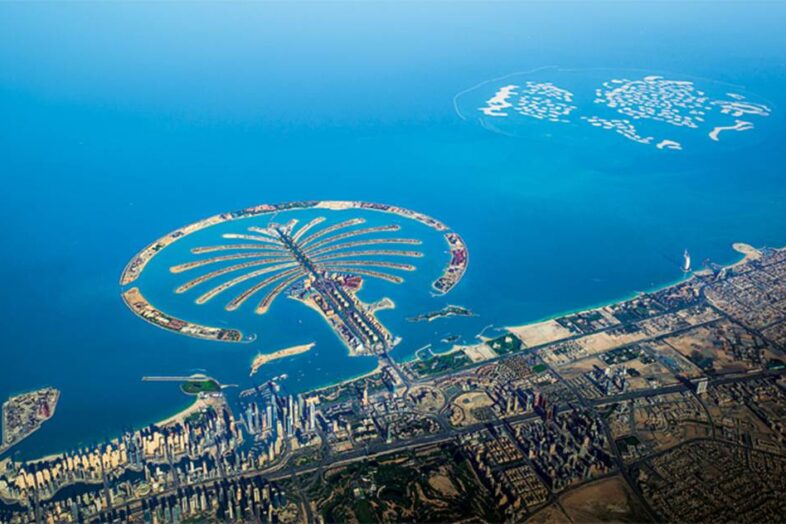
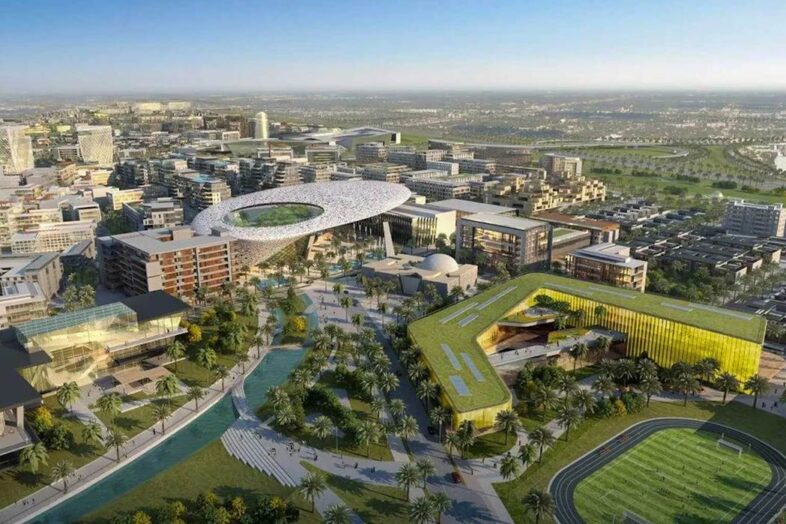
Prepared: November 2025 TABLE OF CONTENTS 1. EXECUTIVE SUMMARY Dubai South represents one of the most ambitious urban development projects in the UAE and globally. Spanning 145 square kilometers (equivalent to 40% of Dubai’s land area), this master-planned city is strategically positioned to become a major economic and residential hub. Figure 1: Aerial view of Dubai South master plan showcasing the extensive urban development Key Highlights Investment Opportunity Dubai South presents a golden window for investors seeking high rental yields, strong capital appreciation, and strategic positioning in Dubai’s southward expansion. With the Al Maktoum Airport expansion (AED 128 billion), Dubai Metro Blue Line extension, and Etihad Rail connectivity, the area is poised for exponential growth. 2. OVERVIEW OF DUBAI SOUTH Formerly Known As: Dubai World CentralLaunched: 2006Size: 145 square kilometersLocation: Southern Dubai, adjacent to Al Maktoum International Airport Figure 2: Al Maktoum International Airport – the centerpiece of Dubai South development Dubai South is Dubai’s largest single urban master development focusing on an aviation and logistics ecosystem. The development aims to create a vibrant living and working community that leverages its unique aviation, logistics, and real-estate products and services with world-class infrastructure. Strategic Positioning Dubai South is strategically located halfway between Dubai and Abu Dhabi, providing excellent connectivity to both emirates. The development is part of the Dubai 2040 Urban Master Plan and aligns with the Dubai Economic Agenda D33. Vision To create a self-sustained city within Dubai where people can live, work, and invest in a healthy and happy environment. The development incorporates smart city technology, sustainable design principles, and extensive green spaces. 3. MASTER PLAN AND DISTRICTS Dubai South features eight integrated districts connected with smart infrastructure: 1. Aviation District Figure 3: Futuristic terminal design for Al Maktoum International Airport expansion 2. Logistics District 3. Residential District Figure 4: Modern residential community in Dubai South with extensive amenities 4. Golf District Figure 5: Premium golf course at Emaar South with luxury residential buildings 5. Commercial District 6. Expo City Dubai Figure 6: Iconic Expo 2020 site now transformed into Expo City Dubai Figure 7: Innovative solar panel structures at Expo City Dubai demonstrating sustainability commitment 7. Dubai South Free Zone 8. Entertainment and Leisure 4. MAJOR DEVELOPMENTS Completed and Ongoing Projects 1. Emaar South Figure 8: Luxury residential units at Emaar South overlooking the championship golf course Figure 9: Wide open golf course views at Golf Links, Emaar South 2. The Pulse 3. MAG 5 Boulevard 4. South Bay 5. Discovery Dunes Golf Club 6. Expo City Dubai (Expo Living) 7. Other Residential Communities Figure 10: Detailed map of Dubai South residential communities and key infrastructure 5. MAJOR PROPERTY DEVELOPERS IN DUBAI SOUTH 1. Emaar Properties 2. Dubai South Properties 3. MAG Lifestyle Development 4. Discovery Land Company 5. BT Holding LLC 6-10. Other Active Developers Azizi Developments, Sobha Realty, Damac Properties, Al Habtoor Group, Meraas, H&H Development, Mira Developments, Tristar Engineering & Construction, and Arabtec all maintain active development portfolios in Dubai South. 6. INVESTMENT ANALYSIS Market Performance Property Prices (from DXBInteract data) Figure 11: Property type distribution by price range in Dubai South Price Trends and Projections Figure 12: Historical price performance and future projections for Dubai South showing 20% historical growth and projected 15-20% appreciation Rental Yields Figure 13: Dubai South offers superior rental yields (6.8%) compared to established Dubai neighborhoods Price Appreciation Transaction Volume Figure 14: Strong and accelerating transaction volumes demonstrating sustained market confidence ROI Analysis Figure 15: Comprehensive ROI breakdown showing total returns of 35% over 3 years and 54% over 5 years Investor Profile Suitability Favorable Market Conditions 1. Price Correction Phase 2. Infrastructure Development 3. Job Creation 4. Population Growth 7. AMENITIES AND INFRASTRUCTURE Residential Amenities 1. Parks and Green Spaces 2. Sports and Recreation 3. Education 4. Healthcare 5. Retail and Dining 6. Entertainment 7. Places of Worship 8. Community Facilities Smart Infrastructure 1. Utilities 2. Security 3. Parking 8. TRANSPORTATION AND CONNECTIVITY Air Connectivity Figure 16: Current operations at Al Maktoum International Airport with extensive aircraft parking Road Network Public Transportation (Upcoming) 1. Dubai Metro Blue Line Figure 17: Dubai Metro Blue Line extension route connecting Dubai South to the wider network Figure 18: Complete Dubai Metro system including the Blue Line integration 2. Etihad Rail 3. Bus Services Proximity to Key Locations Multi-Modal Transport Hub Dubai South’s strategic positioning creates a unique multi-modal transport ecosystem combining air, land, and sea connectivity through Al Maktoum Airport, Jebel Ali Port, and road/rail networks. 9. FUTURE PLANS AND VISION 2030 Al Maktoum International Airport Expansion Dubai 2040 Urban Master Plan Alignment Dubai Economic Agenda D33 Planned Developments 1. Residential Expansion 2. Commercial Growth 3. Infrastructure Enhancement 4. Expo City Evolution 5. Golf District Expansion 6. Free Zone Growth Sustainability Goals Long-Term Vision Dubai South aims to transform into a completely self-sustained, smart city that serves as a model for urban development globally. The integration of aviation, logistics, residential, and commercial elements creates a unique ecosystem that will drive Dubai’s economy for decades. 10. ADVANTAGES FOR INVESTORS 1. Strategic Location 2. High Rental Yields 3. Strong Capital Appreciation 4. Affordable Entry Point 5. Government-Backed Development 6. Free Zone Benefits 7. Diverse Investment Options 8. UAE Residence Visa Eligibility 9. Payment Plans 11. ADVANTAGES FOR END USERS 1. Affordable Living 2. Airport Proximity 3. Quality of Life 4. Complete Amenities 5. Self-Sustained Community 6. Modern Smart Homes 7. Future Growth Potential 12. MARKET TRENDS AND STATISTICS Dubai Real Estate Market (2024-2025) Dubai South Specific Data Price Trends Rental Market Supply Pipeline Demand Drivers Comparative Analysis Dubai South offers: Investor Profile 13. RECOMMENDATIONS For Investors 1. Timing STRONG BUY RECOMMENDATION 2. Property Type Recommendations Budget-Conscious Investors (AED 450K-800K): Mid-Range Investors (AED 800K-2M): High-Net-Worth Investors (AED 3M+): 3. Strategic Considerations 4. Due Diligence For End Users 1. Ideal Profile 2. Lifestyle Recommendations Families: Young Professionals: Retires: 3. Considerations Risk Factors to Consider 1. Development Timeline 2. Market Volatility 3. Location Perception Mitigation Strategies CONCLUSION Dubai South represents a once-in-a-generation investment opportunity in Dubai’s …
Dubai Maritime City: Comprehensive Real Estate Investment Guide 2025

Dubai Maritime City: Comprehensive Real Estate Investment Guide 2025

Executive Summary Dubai Maritime City (DMC) represents one of the most compelling waterfront investment opportunities in Dubai’s real estate market as of November 2025. Strategically positioned between Port Rashid and Drydocks World, this 2.3 million square meter master-planned community is experiencing remarkable capital appreciation, with current prices averaging AED 2,350-3,500 per square foot—significantly below established premium waterfront areas while delivering comparable quality and amenities. Figure 1: Aerial view of Dubai Maritime City showcasing waterfront development with marina, residential towers, and Downtown Dubai skyline The development has demonstrated exceptional price appreciation, growing from initial launch prices of AED 1,200-1,600 per sq ft to current levels representing a 192% increase [1]. Industry forecasts project prices reaching AED 8,000-10,000 per sq ft for luxury towers by 2027-2028, offering substantial upside for early investors [2]. With rental yields ranging from 6% to 8.5% [3], strong infrastructure backing including the upcoming metro connection, and a diverse portfolio of projects from leading developers (DAMAC, Omniyat, Danube, Beyond Developments), Dubai Maritime City presents a balanced opportunity for both capital appreciation-focused investors and yield-seeking end-users. Key Investment Highlights: Table of Contents 1. Location & Strategic Positioning Geographic Advantage Figure 2: Dubai Maritime City master plan showing strategic location with 360° sea views, proximity to international cruise terminal, and connectivity to key Dubai landmarks Dubai Maritime City occupies a premium waterfront location on a man-made peninsula, strategically situated between two of Dubai’s critical maritime infrastructure assets: This positioning provides genuine maritime industry integration while offering 360-degree sea views from most residential towers [5]. Accessibility Matrix Destination Distance Travel Time Port Rashid Boat Station 2 km 2 minutes Downtown Dubai 8 km 8 minutes Dubai Mall 9 km 10 minutes Burj Khalifa 8 km 8 minutes Dubai Marina 25 km 20 minutes Dubai International Airport (DXB) 12 km 15 minutes Business Bay 7 km 7 minutes DIFC 6 km 10 minutes Table 1: Travel times from Dubai Maritime City to key destinations The proximity to Dubai’s central business districts (Business Bay, DIFC) and major tourist attractions (Downtown Dubai, Dubai Creek) positions DMC as a central waterfront location rather than a peripheral community [5][6]. Competitive Waterfront Positioning Figure 3: Price comparison: Dubai Maritime City vs major waterfront developments showing significant value gap Dubai Maritime City benefits from being part of Dubai’s limited waterfront real estate supply while maintaining price points below saturated markets. At current pricing of AED 2,350-3,500 per sq ft, DMC offers a significant value gap to premium waterfront developments[4]: 2. Master Plan & Infrastructure Development Overview Figure 4: Master plan layout showing integrated maritime hub with residential, commercial, industrial, and port infrastructure zones The Dubai Maritime City master plan, developed by DP World in collaboration with architectural consultants Khatib & Alami, encompasses six distinct districts [7]: District Breakdown Sustainability Initiative Dubai Maritime City is pursuing eco-building certification, aiming to become the world’s first maritime center combining advanced technology with environmental sustainability[8]. This includes solar-powered infrastructure, green building standards, water recycling systems, and smart city integration. 3. Market Analysis & Price Dynamics Current Market Metrics (November 2025) Based on the latest data from dxbinteract.com and comprehensive market analysis [9][10]: Metric Value Average Transaction Price AED 2,190,000 Average Price per Sq Ft AED 2,350 – 3,500 Rental Yield Range 6% – 8.5% Expected Annual Appreciation 10% – 15% Average Unit Size 900 – 1,200 sq ft Service Charges AED 12-18 per sq ft/year Table 2: Dubai Maritime City current market metrics Price Evolution Analysis Figure 5: Dubai Maritime City property price evolution from launch to 2028 forecast showing exceptional growth trajectory The remarkable price trajectory demonstrates strong market confidence [1][2]: Timeline Price per Sq Ft (AED) Growth % Initial Launch (2020-2021) 1,200 – Mid-2023 2,500 +108% Current (Nov 2025) 3,500 +40% Forecast (2027-2028) 8,000 – 10,000 +129% – +186% Table 3: Price evolution showing 583% projected growth from launch to 2028 This represents a 583% projected growth from initial launch prices to 2028 forecasts for premium properties. Comparative Waterfront Pricing Area Price per Sq Ft (AED) Status Price Gap to DMC Dubai Maritime City 3,500 Growing Baseline Dubai Marina 2,000 Established -43% Dubai Islands 2,340 Emerging -33% Palm Jumeirah 2,950 Established -16% Emaar Beachfront 4,500 Premium +29% Port De La Mer 4,500 Premium +29% Bluewaters Island 5,500 Premium +57% Table 4: Comparative analysis showing DMC’s value positioning Key Insight: Dubai Maritime City currently trades at a 29-57% discount to established premium waterfront communities while offering superior growth potential and comparable amenities [4]. Dubai Real Estate Context (Q3 2025) The broader Dubai market context supports DMC’s growth trajectory [11]: 4. Major Developments & Projects Active Projects Portfolio Figure 6: Major projects in Dubai Maritime City with starting prices ranging from AED 1.3M to 3.3M Based on comprehensive market research and dxbinteract.com data [12][13][14]: Project Developer Start Price (AED) Units Completion Oceanz Danube 1,300,000 Studio-4BR Q4 2027 Anwa Omniyat 1,500,000 Studio-4BR Q4 2027 LIV Maritime LIV Developers 1,500,000 1-3BR Q4 2028 The Pier LMD 1,650,000 1-3BR Q2 2027 Mar Casa Deyaar 2,000,000 1-3BR Q4 2027 Talea Beyond Dev. 2,200,000 1-3BR Q1 2028 Chelsea Residences DAMAC 2,200,000 1-3BR Q3 2027 Coral Reef DAMAC 3,300,000 1-3BR Q1 2028 Table 5: Major projects portfolio with pricing and timelines Figure 7: Chelsea Residences by DAMAC – modern waterfront architecture with premium amenities and marina access Detailed Project Profiles Chelsea Residences by DAMAC Anwa by Omniyat LIV Maritime by LIV Developers Type Size (Sq Ft) Starting Price (AED) 1BR Apartments 681 – 922 1,499,548 2BR Apartments 1,003 – 1,456 2,399,548 3BR Apartments 1,962 – 2,605 4,799,548 2BR Duplex 1,750 – 2,100 5,700,548 3BR Duplex 2,570 – 2,750 8,000,548 2BR Townhouse 2,010 6,000,548 3BR Townhouse 2,580 – 2,750 7,700,548 Table 6: LIV Maritime unit configurations and pricing Unit Configurations & Pricing Summary Unit Type Size Range (Sq Ft) Price Range (AED) Studio 436 – 566 1,300,000 1 Bedroom 618 – 1,388 1,500,000 – 1,650,000 2 Bedroom 1,003 – 2,484 2,400,000 – 2,530,000 3 Bedroom 1,888 – 2,605 4,800,000 4 Bedroom 4,060+ Upon Request Townhouse 2BR 2,010 6,000,000 …

Off-plan Sales Surge as Dubai’s Residential Market Hits New Highs

Off-plan Sales Surge as Dubai’s Residential Market Hits New Highs

By Kiana Jehangir Dubai’s residential real estate market reached remarkable heights in the third quarter of 2025, driven predominantly by off-plan transactions. According to a market report by Cavendish Maxwell, overall residential transactions soared to 55,300 deals, reflecting a year-on-year increase of 17.1 %. Of these, off-plan sales comprised a dominant 76 % of total market activity, with approximately 42,000 deals—up 23.6 % YoY and 18.1 % quarter-on-quarter. Importantly, initial developer sales made up 93.9 % of off-plan activity, rising from 90.3 % a year earlier, while off-plan resales fell to just 6.1 %.  Meanwhile, ready-property sales remained comparatively muted: 13,300 transactions, down 5.4 % on the prior quarter and up only 0.6 % annually. Apartment-led transactions dominated both off-plan and ready markets, with 89.4 % of off-plan volume in apartments—villas and townhouses lagging in off-plan share, though their portion in ready transactions edged up.  On the pricing front, residential sales prices climbed 4.5 % q-on-q and 16.1 % y-on-y, underpinned by sustained demand. In Q3, new completions amounted to around 9,400 units, significantly below the projected 22,800—i.e., only a 41.3 % materialisation rate. For the first nine months of the year, total completions reached 28,100 units, up 6 % year-on-year. Construction timelines are shortening: average delivery time fell from 1,340 days in 2023 to 880 days in 2025.  Looking ahead, the supply pipeline remains substantial: 48,200 units are scheduled for Q4, and 366,000 units projected through 2028, with the bulk due in 2026–2027. Despite concerns of oversupply, the report frames this as “healthy normalisation” rather than imbalance.  Fundamentals underpinning the rally remain strong: Dubai’s economy is expanding, GDP growth forecasts have been revised upwards, and the population is projected to approach five million by 2030. Investor-friendly regulations, infrastructure investment, and global interest continue to support the emirate’s real estate outlook.

Dubai Real Estate Market Review 24-Apr-2026

Dubai office properties: Which areas could maximise your investment?

Analysts suggest that Dubai’s commercial market is entering a mature growth phase, supported by both domestic and international investor interest Dubai’s commercial property sector continued to demonstrate strong momentum in the third quarter of 2025, achieving total sales of Dhs30.38bn, representing a 31 per cent increase year-on-year, according to CRC Property’s recently released Q3 2025 Market Report. This robust performance underscores Dubai’s enduring appeal as a global business hub and reflects sustained investor confidence in the city’s commercial real estate sector, across office, retail, and industrial segments. The surge in activity comes against the backdrop of Dubai’s wider economic resilience, continued corporate relocation trends, and targeted infrastructure investments across business hubs, free zones, and mixed-use districts. Analysts suggest that Dubai’s commercial market is entering a mature growth phase, supported by both domestic and international investor interest, as well as sustained demand from SMEs and corporates seeking ownership over leasing. The office sector emerged as the clear driver of growth in Q3 2025, recording total sales of Dhs3.1bn across 1,153 units, an 18 per cent quarter-on-quarter increase and a remarkable 93 per cent rise year-on-year. Transaction volumes similarly advanced, with the number of deals climbing 19 per cent quarter-on-quarter and 45 per cent year-on-year, signalling strong investor confidence and demand from businesses for prime office locations. Yogesh Yerikireddi, JLT Area Manager at CRC, highlighted the dynamics behind this growth: “The Dubai office market remained exceptionally strong through Q3 2025, led by record demand for Grade A and ESG-compliant towers. With vacancy at historic lows, fitted and vacant commercial offices for sale are seeing unprecedented investor interest. Limited premium supply, coupled with strong corporate relocations and expansion demand, continues to push rents and capital values upward across key free zones.” Business Bay led office transactions with 328 deals, followed by Jumeirah Lakes Towers (JLT) at 277 transactions. Majan and Jumeirah Village Circle (JVC) recorded 112 and 110 deals respectively, while Barsha Heights (Tecom) rounded out the top five with 71 transactions. This distribution underscores Dubai’s continued decentralisation of commercial activity, with high-quality office offerings now increasingly spread across emerging mixed-use hubs, not just the traditional central business districts. Smaller-ticket strata offices drive volume growth Despite the increase in transactions, the total quarterly value for commercial sales edged down slightly by 2 per cent, reflecting a trend toward smaller-ticket assets. Offices priced between Dhs1.5–2m rose 34 per cent quarter-on-quarter, while smaller units in the Dhs500,000–1 m range jumped 50 per cent quarter-on-quarter, suggesting growing demand from SMEs, start-ups, and expanding businesses seeking affordable office spaces. CRC’s data also points to a shift in investor strategy: diversification into strata offices is providing attractive yields while enabling occupiers to expand their own footprints, a trend increasingly evident in high-demand locations such as JLT and Business Bay. The Q3 2025 report also highlighted sustained off-plan activity, with total transactions reaching Dhs2.4bn ($650m) across 1,101 deals, of which office and retail developments contributed Dhs1.86bn through 640 transactions. This activity reflects continued investor confidence and healthy absorption in Dubai’s commercial market. Looking ahead, Dubai’s office landscape is set to benefit from approximately 680,000 square meters of new supply scheduled for delivery by 2027, primarily concentrated in high-demand areas such as Business Bay and Motor City. Analysts predict this pipeline will support continued rental growth while meeting rising occupier demand. Among the notable new developments is Lumena Alta by Omniyat, a 73-storey tower in Business Bay with 78,000 square metre of premium office space, 18 double-deck elevators, and 1,000 parking spaces. The development will feature luxury amenities, including a signature restaurant, sky pool, and fitness centres, with handover slated for Q1 2030. Another high-profile launch is HQ by Rove, in Marasi Bay, covering 500,000 square foot across 23 office floors. The building will include modular office units, 14 high-speed lifts, EV charging stations, bicycle parking, and a first-of-its-kind moving café elevator, scheduled for completion in Q1 2029. These projects reinforce Dubai’s focus on innovative, flexible, and ESG-compliant office solutions.  Retail market rebounds strongly The retail segment also saw a sharp resurgence in Q3 2025, with total transaction value reaching Dhs1.15bn across 437 deals, marking a 95 per cent increase quarter-on-quarter and 55 per cent year-on-year rise. Transaction volumes climbed 88 per cent quarter-on-quarter and 37 per cent year-on-year, demonstrating renewed confidence among both investors and end-users. Liza Esenbek, Head of Retail and F&B at CRC, noted: “This momentum in the retail segment is powered by high-net-worth tourism and a growing consumer demand for value-driven, personalised, and experiential concepts. Notably, the health and wellness segment, spanning premium fitness, specialty food, and recovery, is outperforming other categories and fuelling prime leasing demand across the city.” International City led retail transactions with 85 deals, followed by Majan at 66 transactions. Business Bay and JVC recorded 45 and 43 deals respectively, while Dubai Marina maintained steady activity with 27 premium retail sales. This spread of activity illustrates broad-based demand across both established and emerging districts, and signals that Dubai’s retail market is successfully adapting to evolving consumer behaviour and investor priorities. Average selling prices for secondary offices in Dubai surged to Dhs1,685 per sq. ft in Q3 2025, marking a 19 per cent year-on-year increase and the highest levels observed in over a decade. This appreciation reflects strong demand for Grade A strata offices, limited ready supply, and sustained investor confidence in key business districts such as Business Bay and JLT. After years of steady recovery since the 2019–2020 trough, prices have now surpassed pre-2015 levels, signaling that Dubai’s commercial property market has firmly rebounded and remains highly attractive for both institutional and private investors. Buyer and tenant trends Buyer and tenant activity in Q3 2025 presented a mixed picture. Overall buyer leads increased 47 per cent year-on-year, demonstrating continued investor confidence, yet declined 18 per cent quarter-on-quarter, reflecting a short-term adjustment after robust first-half activity. Office leads rose 51 per cent year-on-year but fell 16 per cent quarter-on-quarter, while retail enquiries declined 29 per cent year-on-year and 28 per cent quarter-on-quarter. Warehouse demand remained broadly stable, with only minor fluctuations. Tenant activity followed a similar trend, with overall leads up 54 per cent year-on-year but easing 12 per cent quarter-on-quarter, indicating a natural seasonal moderation. The office segment saw 46 per cent year-on-year growth, while retail …

Why Dubai Is Becoming the Top Destination for British High-Net-Worth Individuals Amid Rising Tax Pressures

Why Dubai Is Becoming the Top Destination for British High-Net-Worth Individuals Amid Rising Tax Pressures

By Kiana Jehangir Table of Contents _________________________________________________________________________________ 1. Introduction A growing number of wealthy individuals in the United Kingdom are preparing to relocate overseas, driven by the mounting expectation of new tax increases. Among the destinations gaining the most momentum, Dubai stands out — not only for its zero personal income tax but also for a lifestyle proposition that increasingly appeals to high-income professionals and entrepreneurs. This shift is more than cultural or aspirational. It is quantifiable, rapidly accelerating, and reflective of broader economic concerns. The data shows clearly: the UK is experiencing a visible outflow of wealth, while Dubai is recording one of the highest inflows of millionaires in the world. _________________________________________________________________________________ 2. Rising Tax Anxiety in Britain A recent national poll indicates the scale of concern: The Chancellor’s statement — “we will all have to contribute” — has been widely interpreted as signaling higher tax burdens, despite earlier assurances that income tax, National Insurance, and VAT would not be increased. The psychological effect has already taken hold: affluent individuals are planning ahead, seeking jurisdictions where their professional and personal lives can remain financially stable. _________________________________________________________________________________ 3. The Ending of the Non-Dom Regime and What It Means The 225-year-old non-dom tax regime, which historically allowed qualifying residents to avoid paying tax on foreign income, has now been scrapped. The response was immediate: This shift directly affects global investors, entrepreneurs, executives, and inheritors — individuals who are globally mobile and have choices. _________________________________________________________________________________ 4. The Wealth Migration Numbers at a Glance The movement of wealth can be measured clearly: Location Result Time Period UAE +9,800 millionaires (net inflow) Past year UAE 130,500 millionaires gained, including 28 billionaires Past decade London –11,300 millionaires (outflow) Past year London’s outflow was the second-largest loss globally, surpassed only by Moscow. Meanwhile, departures are also accelerating among key business leadership: The number of UK company directors relocating overseas rose from 2,712 to 3,790 between the Autumn Budget and July — approximately a 40% increase. These are not abstract numbers — they represent investment decisions, corporate redirection, and long-term capital shifts. _________________________________________________________________________________ 5. Why Dubai Is Benefiting: Key Economic Advantages Dubai’s appeal is not simply “low tax” — it is no tax on personal income, capital gains, or inheritance. Additional pull factors include: This creates an environment where wealth is not penalized but positioned to scale and circulate. _________________________________________________________________________________ 6. Lifestyle, Education, and Quality-of-Life Factors Quality-of-life metrics are central to relocation decisions. For many professionals leaving the UK, Dubai offers: One relocating British executive stated: “Suddenly you’ve got a lifestyle, lower stress and quality of life and things that you can no longer access in England.” Education plays an important role in family relocation: _________________________________________________________________________________ 7. The Financial Impact: A £250,000 Difference The tax savings are substantial. One British professional calculated that their family’s net annual financial gain would be approximately £250,000 by relocating to Dubai. This is not a marginal benefit — it is generational wealth protection. _________________________________________________________________________________ 8. Political Responses and the Proposed “Britannia Pass” As the outflow of wealthy residents grows, new proposals are circulating in the UK. One of the most discussed is the “Britannia Pass”: Parallel commentary estimates that 16,500 wealthy individuals may leave the UK this year if current conditions persist. This suggests that political responses are reactive, not preventative. _________________________________________________________________________________ 9. What This Shift Means for Britain If current trends continue, the UK faces: Wealth migration is not just about individuals — it is about ecosystems shifting location. _________________________________________________________________________________ 10. Why Dubai’s Wealth Inflow Is Expected to Grow Dubai is strategically positioned to continue absorbing global wealth due to: Dubai’s trajectory is not accidental — it is engineered. _________________________________________________________________________________ 11. Conclusion The movement of wealth from the UK to Dubai is accelerating because it is rooted in structural economic differences, not trends or temporary conditions. With tax pressures rising in Britain and financial optimism rising in Dubai, high-net-worth individuals are choosing environments where they can secure, sustain, and build their wealth. Dubai has positioned itself as a global city for those who are mobile, ambitious, and unwilling to let rising taxation limit their growth. The UK now faces a defining question: Can it afford to lose the very individuals who fuel its economy?

Top Off-Plan Property Hotspots Emerge in Dubai and Abu Dhabi

Top Off-Plan Property Hotspots Emerge in Dubai and Abu Dhabi

By Kiana Jehangir The UAE continues to solidify its position as one of the world’s most competitive and resilient real estate markets, with off-plan property sales leading the momentum across both Dubai and Abu Dhabi. As global investors and relocating residents seek long-term value, lifestyle-driven amenities, and high appreciation potential, off-plan developments have become the preferred entry point into the region’s high-growth property landscape. This shift is supported by favorable government policies, a surge in foreign investor interest, population growth, and long-term residency incentives, establishing the UAE as a strategic global hub for real estate investment. ________________________________________________________________________________ Table of Contents ________________________________________________________________________________ 1. Market Overview: Why Off-Plan is Dominating The UAE’s property market has witnessed a notable surge in off-plan sales, driven by flexible payment plans, new master-planned communities, and the appeal of entering projects before handover appreciation occurs. Unlike previous cycles defined by short-term speculation, today’s off-plan demand is anchored by: This aligns with the broader market trend in which buyers are prioritizing lifestyle infrastructure, waterfront access, and long-term residency value — a buyer behavior also reflected in luxury home purchases in Dubai Marina. ________________________________________________________________________________ 2. Key Drivers Fueling Investor Demand Demand Driver Impact on Market Golden Visa real estate eligibility Increases long-term property retention Population growth + corporate relocations Strengthens rental demand Attractive payment options (40/60, 20/80, post-handover) Lowers entry barrier for investors Premium master-planned communities Enhanced lifestyle value and resale strength Strong tourism performance Supports short-stay yield strategies Dubai and Abu Dhabi continue to benefit from safe-haven capital inflows, making off-plan developments increasingly attractive for both residency-based buyers and yield investors. ________________________________________________________________________________ 3. Dubai’s Most Sought-After Off-Plan Locations Several communities are emerging as investment hotspots, driven by infrastructure upgrades, waterfront lifestyle demand, and limited future land supply. Location Appeal Investor Profile Dubai Creek Harbour Waterfront city development with skyline views Long-term investors & relocators Dubai Hills Estate Golf course living + schools & medical access Families seeking end-use homes Jumeirah Village Circle (JVC) High rental yields + affordability ROI-focused investors Business Bay & Downtown Extensions Proximity to commercial core Young professionals & corporate buyers Palm Jumeirah and Palm Jebel Ali (new phase) Ultra-luxury beachfront living Global UHNW investors Notably, villa and townhouse communities continue to outperform high-density apartment zones due to privacy, land value, and space — a trend mirrored in premium waterfront buying in Dubai Marina. ________________________________________________________________________________ 4. Abu Dhabi’s Emerging Investment Zones Abu Dhabi’s off-plan momentum is driven by cultural district expansion, infrastructure upgrades, and family-oriented planning. District Key Development Advantages Yas Island Entertainment + waterfront living + strong rental demand Saadiyat Island Cultural institutions + luxury beachfront + top-tier schools Al Reem Island Urban business district + rising young professional population Abu Dhabi appeals particularly to: ________________________________________________________________________________ 5. Price Trends and Capital Appreciation Outlook The UAE’s inflation-stable currency and tax-friendly environment further strengthens investor return profiles. ________________________________________________________________________________ 6. Investor Profiles: Who Is Buying Off-Plan in the UAE? Buyer Group Motive New residents relocating for work End-user homes with long-term residency Global investors (Europe, GCC, Asia) Wealth preservation + yield Young professionals Proximity to work & lifestyle hubs High-net-worth families Multi-home ownership + legacy planning These demographics reflect the same shift toward ownership and settlement seen in Dubai’s maturing luxury market cycle — where emotional use value increasingly outweighs speculative intent. ________________________________________________________________________________ 7. Risks and Considerations While off-plan offers strong value opportunities, investors should evaluate: Working with specialized advisory teams ensures clarity on long-term ROI, lifestyle fit, and resale positioning — which is central to successful acquisition strategies. ________________________________________________________________________________ 8. Conclusion The UAE’s off-plan market is entering a strategic, sustainable growth phase defined by: Dubai and Abu Dhabi are no longer purely global investment markets — they are primary home markets for a new wave of international residents. For investors, the opportunity is clear: Enter early. Hold strategically. Prioritize community and waterfront value.

Lifestyle, Investment Value, and Golden Visa Appeal

Lifestyle, Investment Value, and Golden Visa Appeal

By Kiana Jehangir Dubai’s luxury real estate sector is entering a new phase defined by branded residences — properties developed in partnership with global luxury houses, hospitality groups, and design-led brands. Once seen as a niche segment, branded residences have now become one of the fastest-growing categories in Dubai’s residential market, attracting high-net-worth buyers who want more than a home: they want legacy, service, identity, and global recognition. _________________________________________________________________________________ Table of Contents _________________________________________________________________________________ 1. What Defines a Branded Residence A branded residence is a home developed and managed in collaboration with an established luxury brand — whether in hospitality, fashion, automotive, or lifestyle. These projects combine premium architecture, curated interior design, and hotel-grade service into a single residential living experience. Key features include: Concierge and private service staff Spa and wellness club access Security, privacy, and controlled building identity Elevated material selection and design standards Strong resale prestige and international recognition They are not simply apartments or villas — they are livable luxury brands. _________________________________________________________________________________ 2. Why Demand Is Rising in Dubai Three core forces are driving the surge in branded residential demand: 1) Global Relocation of Wealth Entrepreneurs, investors, and families are moving to Dubai for: 2) Limited Ultra-Prime Inventory As ultra-prime waterfront and golf-course land becomes scarce, branded residences offer instant prestige and identity, even without private land plots. 3) Emotional + Lifestyle Value Branded homes deliver: This aligns with the shift away from investment-only purchases toward homes built for living — a trend shaping Dubai Marina and waterfront luxury neighbourhoods as well. _________________________________________________________________________________ 3. The Golden Visa Effect Branded residences often meet or exceed the minimum investment threshold for property-based UAE Golden Visa eligibility. This creates: Owners are not just purchasing real estate — they are securing residency continuity and global mobility benefits, which strengthens buyer commitment to the city. _________________________________________________________________________________ 4. Price Performance & Long-Term Value Branded residences typically command: Their value is supported by: Because of this, branded residences often hold price floors even in correction cycles, making them attractive for both end-users and long-term investors. _________________________________________________________________________________ 5. Who Is Buying Branded Homes Today The current buyer profile includes: These buyers emphasize: Their goals are family lifestyle first, returns second — a major shift in luxury acquisition psychology. _________________________________________________________________________________ 6. The Design and Lifestyle Shift Branded residences are now defined by: They cater to a global resident who values: This is the same design priority shift shaping luxury home demand across Dubai Marina and other waterfront enclaves today. _________________________________________________________________________________ 7. Outlook: The Future of Ultra-Prime Branded Living in Dubai Expect to see: Branded residences are set to define the next decade of Dubai luxury real estate — particularly in: _________________________________________________________________________________ 8. Conclusion Branded residences represent the maturation of Dubai’s luxury real estate market — where value is measured not only in square footage but in design, service, reputation, privacy, and long-term livability. They are not just homes — they are an extension of identity. Dubai is no longer simply a global place to invest. It is a global place to belong.

Inside Dubai’s Booming Luxury Renovation Market

Inside Dubai’s Booming Luxury Renovation Market

By Kiana Jehangir Dubai’s luxury residential sector is undergoing a subtle but significant transformation: the explosion of high-end property renovation. Once the domain of boutique villas and celebrity homes, luxury refurbishment is now a mainstream strategy for homeowners, investors and relocating families — and the data tells the story. From May 2022 to today, villa and townhouse average prices in Dubai jumped from AED 3.4 million to AED 6.6 million – a leap of approximately 92%. In the first half of 2025, the emirate recorded AED 260 billion in real estate transactions, with secondary-market sales up 46% year-on-year. The first half total real estate sales reached AED 431 billion, representing a 25% increase over the previous year. These figures underline a market where renovation-led value creation, end-user demand, and location-driven asset appreciation are converging. In short: luxury renovation is no longer just cosmetic — it is strategic. _________________________________________________________________________________ Table of Contents _________________________________________________________________________________ 1. Why Renovation Has Become a Luxury Market Focus Several dynamics have driven renovation to the forefront of Dubai’s luxury real-estate playbook: What was once viewed as a niche luxury accessory is now a full-scale market segment in its own right. _________________________________________________________________________________ 2. Key Numbers & Trends Driving the Segment The numbers paint a clear picture of momentum: _________________________________________________________________________________ 3. Who Is Renovating — and Why? The profile of renovation clients in Dubai has shifted: These segments reflect an important shift: renovation is no longer about only aesthetics — it’s about asset enhancement, lifestyle anchoring and value preservation. _________________________________________________________________________________ 4. Core Challenges Behind the Scenes While the sector is booming, renovation at this level is not without its hurdles: These hidden realities highlight that luxury renovation is a specialist service — and not all providers deliver to the expected standard. _________________________________________________________________________________ 5. How to Navigate a High-End Renovation Successfully For homeowners, investors or relocating families planning a luxury renovation in Dubai, a few principles stand out: A luxury home renovation in Dubai is not just about aesthetic uplift — it’s about value engineering for lifestyle and legacy. _________________________________________________________________________________ 6. What This Means for Dubai’s Luxury Real Estate Ecosystem The expansion of the renovation market signals a few broader take-aways for Dubai’s luxury sector: In short: the luxury home in Dubai is not simply the product you buy, but the product you live in and refine. _________________________________________________________________________________ 7. Conclusion Dubai’s luxury renovation market has matured from the fringes into a mainstream strategy — aligned with a broad buyer base, deep investor interest and a lifestyle-driven market mindset. With average prices nearing AED 6.6 million for villas and townhouses, and transaction volumes continuing to climb, the logic of renovation is clear: upgrade the asset, personalise the experience, and secure long-term value in a luxury‐anchored home. For homeowners, investors and design-conscious buyers alike — the opportunity lies not only in where you live, but howyou live. In Dubai, the luxury home is increasingly less about location alone, and more about refinement, longevity and design intent.

Dubai’s Luxury Residential Market Sees 737 High-End Sales in Q3 as Demand Surges in Palm Jumeirah & Dubai Hills

Dubai’s Luxury Residential Market Sees 737 High-End Sales in Q3 as Demand Surges in Palm Jumeirah & Dubai Hills

By Kiana Jehangir Dubai continues to strengthen its position as one of the world’s most competitive luxury real estate markets, with 737 luxury property sales recorded in Q3 alone, driven by sustained wealth migration, rising global investor confidence, and a thriving end-user buyer segment. The market is no longer defined by speculative short-term movement — instead, long-term residency, portfolio diversification, and generational asset allocation are now the core motivations driving luxury acquisitions. ________________________________________________________________________________ Table of Contents ________________________________________________________________________________ 1. Market Overview Dubai’s luxury real estate segment recorded 737 luxury transactions in Q3, reinforcing the city’s continued dominance as a global hub for high-net-worth property investment. The transactions primarily concentrated in: The demand is supported by: This momentum builds on Dubai’s shift from a secondary-home market to a primary residence destination for global wealth. ________________________________________________________________________________ 2. Demand Trends Behind the Rise in Luxury Sales The surge in Q3 sales reflects structural, not cyclical, demand. Key demand drivers: This aligns with the broader pattern of end-user acquisitions, seen also in luxury waterfront districts such as Dubai Marina, where buyers prioritize lifestyle fit, privacy, and long-term residency value over short-term speculation. ________________________________________________________________________________ 3. Palm Jumeirah: The Epicenter of Ultra-Prime Living Palm Jumeirah remains one of the most in-demand ultra-luxury micro-markets in the world. Why Palm remains dominant: Ultra-prime villas on Palm Jumeirah have seen: Palm is no longer merely a luxury district — it is an international wealth enclave. ________________________________________________________________________________ 4. Dubai Hills: The New Benchmark for Estate Living Dubai Hills has rapidly become the city’s leading luxury villa estate market, attracting families, GCC buyers, and long-term relocators. Core appeal: This demand mirrors broader preferences for privacy, land value, and community lifestyle, which are also key factors influencing property selection in Dubai Marina and waterfront neighborhoods. ________________________________________________________________________________ 5. Price Performance and Market Stability Unlike earlier real estate cycles in Dubai, the current luxury price growth is defined by stability, not volatility. Key stabilizing forces: Prices in ultra-prime districts have: This shift aligns with Dubai’s transition into a mature, globally benchmarked luxury market. ________________________________________________________________________________ 6. Buyer Profile: Who Is Driving Demand? The current luxury buyer demographic includes: Buyers are increasingly selecting homes based on: This is the same pattern seen in high-end acquisition behavior across premium districts, where personal use and lifestyle value outweigh speculative intent. ________________________________________________________________________________ 7. Why Luxury Properties Remain Resilient Luxury real estate remains the strongest-performing sector in Dubai due to: In ultra-luxury markets globally, scarcity is value, and Dubai’s prime enclaves are structurally supply-constrained. ________________________________________________________________________________ 8. Conclusion The 737 luxury property transactions in Q3 signal more than strong market performance — they reflect a permanent repositioning of Dubai as a global capital of luxury residential living. Palm Jumeirah and Dubai Hills now sit among the world’s most prestigious luxury addresses, attracting residents who are not merely investing — but rooting their lives, families, and businesses in Dubai. The city’s luxury market is not only expanding — it is maturing, stabilizing, and defining a new standard for global ultra-prime real estate.

Dubai’s Luxury Real Estate Market Moves from Hypergrowth to Healthy Stabilisation

Dubai’s Luxury Real Estate Market Moves from Hypergrowth to Healthy Stabilisation

By Kiana Jehangir The luxury residential property market in Dubai is entering a new phase: one of strategic resilience rather than unsustainable acceleration. After years of double-digit growth, where every quarter seemed to break new records, today the emphasis has shifted toward sustainable value, medium-term stability, and a buying base driven by lifestyle and long-term residency rather than short-term speculation. ________________________________________________________________________________ Table of Contents ________________________________________________________________________________ 1. What the Data Shows: Market Metrics & Trends ________________________________________________________________________________ 2. Drivers of the Shift: Supply, Demand & Buyer Psychology Demand Side Supply Side Buyer Psychology & Value Shift ________________________________________________________________________________ 3. Luxury Sub-Segments: Villas, Penthouses & Ultra-Prime ________________________________________________________________________________ 4. Implications for Investors and End-Users For Investors For End-Users ________________________________________________________________________________ 5. Risks and Watch Points ________________________________________________________________________________ 6. Conclusion Dubai’s luxury real-estate market is no longer in the fast lane of unchecked growth — it is entering a more mature, resilient phase. For developers, the mandate becomes less about sheer volume and more about curated, high-design homes. For buyers and investors, the opportunity shifts from speculative upside to sustainable ownership. In this new landscape, those who prioritise quality of life, long-term value, andarchitectural integrity will be best positioned. Dubai is evolving into a global benchmark luxury city — where ultra-prime real-estate is not simply bought, but chosen.