Why Billionaires Are Shifting Their Gaze from Silicon Valley to Dubai

Why Billionaires Are Shifting Their Gaze from Silicon Valley to Dubai

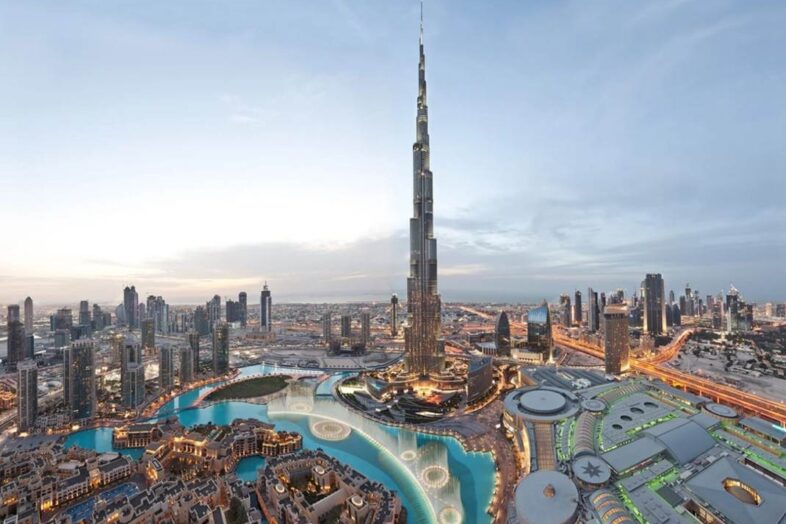
By Kiana Jehangir For decades, Silicon Valley has stood as the symbolic heart of global innovation: the place where tech dreams are minted, startups scale, and capital concentrates. However, a new gravitational center for wealth, innovation, and influence is emerging — and it is rising in the East: Dubai. As Gulf News argues, a quiet exodus of founders, fund managers, and ultra-high-net-worth individuals is underway, redirecting legacies, capital, and ambition toward this dynamic city.  Here, we unwrap the key reasons behind this shift, explore what Dubai offers, and reflect on the implications for the future of global capital flows. 1. Sovereign Wealth & Public-Private Synchronization One of Dubai’s unique advantages is its integration with the vast resources and strategic objectives of UAE sovereign wealth funds (SWFs). Entities like ADIA, Mubadala, and ADQ are global powerhouses — collectively managing a significant share of the world’s SWF assets.  What this means in practice is that ambitious ventures in Dubai gain access to “supercharged” dealmaking: the state doesn’t just regulate or enable; it often co-invests, strategizes, and aligns with private actors.  This deep alignment — not something you typically find in markets dominated purely by private capital — accelerates execution, reduces friction, and allows visionary ideas to scale more rapidly. 2. Regulatory Clarity, Neutrality & Speed While regulatory complexity, political polarization, and tax ambiguity have tarnished Silicon Valley’s appeal in the eyes of many, Dubai positions itself as a jurisdiction of certainty, neutrality, and efficiency.  For founders and investors who prize speed and certainty, these qualities can make all the difference. 3. Tokenized Real Estate & Asset Innovation Perhaps one of the most eye-catching innovations is Dubai’s embrace of real-world asset tokenization, particularly in real estate. The idea is simple but powerful: fractionalize a physical asset (e.g. a building) into digital tokens, which can then be traded, bought, or sold on a blockchain platform.  In May 2025, Dubai’s Land Department issued the world’s first Property Token Ownership Certificate.  By making real estate accessible in smaller increments (via tokens), liquidity enters a domain that has traditionally been illiquid and requiring high capital. For the global investor, this is a paradigm shift: majestic towers and beachfront villas become tradable, divisible like stocks. 4. Branded Residences & Experiential Real Estate Another trend gaining steam is the proliferation of branded residences. These are luxury homes or towers that carry the identity of top hotels, designers, or lifestyle brands. In Dubai, such projects tap into global prestige, and they tend to yield stronger resale value, higher returns, and more emotional appeal to wealthy buyers.  From a developer’s standpoint, aligning with international brands gives both differentiation and access to established clientele. From an investor’s standpoint, this trend aligns with a broader shift: residential real estate is not merely for utility but is about identity, exclusivity, and experience. 5. Legal Infrastructure & Dispute Resolution For high-net-worth individuals, legal certainty and enforceability loom large. Dubai responds to this need via robust legal frameworks, especially in the DIFC Courts and the Dubai International Arbitration Centre.  While legal disputes in many jurisdictions drag on for years — draining capital, time, and opportunity — Dubai offers relatively faster resolution, often within months.  For family offices, multigenerational funds, and legacy structures, this assurance is non-negotiable. 6. Privacy, Wealth Preservation & Legacy Infrastructure Finally, Dubai presents an attractive proposition for those who seek more than returns — they seek peace of mind. 7. The Scale of Migration & Momentum A striking figure is that 6,700 millionaires relocated to Dubai in 2024 — representing a 102% growth in millionaire migration between 2014 and 2024.  If momentum continues, Dubai is well placed to surpass traditional hubs like London and Paris and emerge (by 2045) as one of the wealthiest urban centers spanning both Europe and the Middle East.  This influx isn’t just numbers; it’s talent, relationships, capital, and global connectivity converging. Implications & Challenges Implications Challenges & Risks Conclusion Dubai is no longer aspiring to become “the next Silicon Valley” — it’s carving its own identity. It’s not attempting to mimic London or Shanghai. Rather, it is emerging as a singular confluence of capital, creativity, and speed.  For global billionaires and visionary founders, especially those fatigued by regulatory stagnation, opaque tax systems, or slow legal systems, Dubai offers a compelling alternative: certainty, clarity, alignment with sovereign ambition, and new kinds of asset innovation. In short: for those seeking more than a base of operations — for those seeking a trajectory — Dubai is increasingly viewed not just as an option, but as an inevitable bet.
Dubai Real Estate Sales Near AED 500 Billion in First Nine Months of 2025

Dubai Real Estate Sales Near AED 500 Billion in First Nine Months of 2025

By Kiana Jehangir In 2025, Dubai’s real estate market has again broken records. According to Economy Middle East, by the end of the first nine months, sales had approached AED 500 billion (≈ US$136.15 billion), marking a year-on-year increase of about 33.7%.  This astonishing performance reflects not just investor enthusiasm but structural shifts in demand, product mix, policy support, and global capital flows. Here, we walk through the key data, the forces behind the surge, emerging trends, potential challenges ahead, and what this means for investors, developers, and market watchers. Table of Contents 1. Key Figures & Market Snapshot Sales Value & Growth Transaction Volume & Activity Luxury & Ultra-Prime Segment 2. What’s Fueling the Surge 2.1 Policy & Structural Tailwinds 2.2 Developer Strength & Presales 2.3 Shift in Buyer Composition 2.4 Product Innovation & Branding 3. Hot Segments & Locations Property Types & Segments Geographic Hotspots 4. Risks & Headwinds Despite the impressive trajectory, several risks merit attention: Supply Overhang & Price Correction Project Delays & Delivery Risk Interest Rates & Financing Constraints Macro & Geopolitical Volatility 5. Outlook & Strategic Considerations Near-Term (12–24 months) Longer-Term (>3 years) For Investors & Developers 6. Concluding Thoughts Dubai’s real estate sector in 2025 has delivered a stunning performance: nearly AED 500 billion transacted in just nine months, double-digit growth in volume, and global leadership in ultra-prime sales. The reasons are multifaceted: favorable policy, structural demand, developer strength, investor diversification, and product innovation. Yet, this is a market in transition. The risk of oversupply, price moderation, financing constraints, and execution challenges loom. The differentiators in this cycle will be: If managed well, Dubai’s real estate could transition from boomtown to benchmark — a mature, resilient, globally integrated market that rewards foresight and discipline.

Dubai Real Estate Outperforms Global Markets with Up to 11% Yields and Strong Long-Term Value 

Dubai Real Estate Outperforms Global Markets with Up to 11% Yields and Strong Long-Term Value 

By Kiana Jehangir The Dubai property market continues to stand out globally, offering compelling returns and investment advantages that make it highly attractive—especially in comparison to many major world cities. Key takeaways are below. Key Benefits for Investors Yield Performance by Location Some of the more affordable areas in Dubai are delivering particularly strong yields: These yields are significantly higher than what is typical in many mature global real estate markets. Comparison with Global Cities Price Growth & Market Trends Overall Market Outlook

Dubai Anticipates Surge in Millionaire Residents Amid Luxury Property Boom

Dubai Anticipates Surge in Millionaire Residents Amid Luxury Property Boom

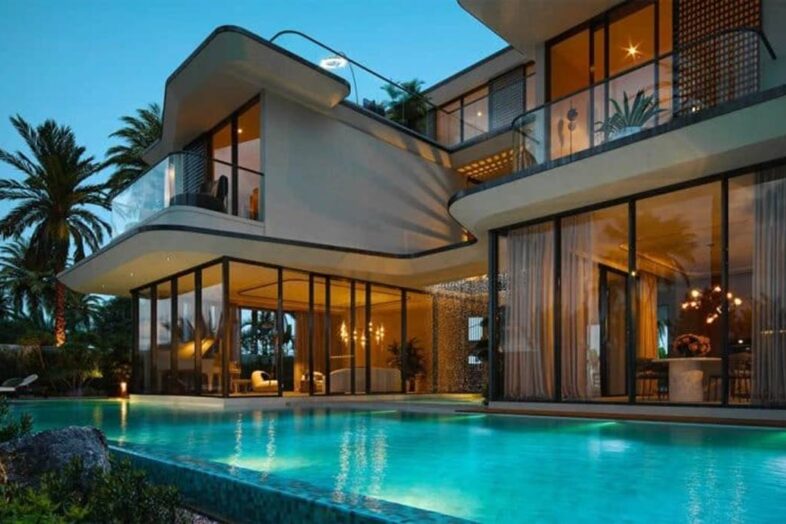
By Kiana Jehangir Table of Contents Dubai’s luxury property market is entering a defining moment as the city anticipates a surge in millionaire residents. Already a global hub for wealth and investment, Dubai is now expected to see an influx of ultra-high-net-worth individuals (UHNWIs) who are reshaping demand for prime real estate. This shift underscores the emirate’s unique position as both a financial powerhouse and a lifestyle destination. Dubai’s Growing Millionaire Population Recent forecasts indicate that Dubai will welcome thousands of new millionaire residents over the coming years. As the city continues to strengthen its economic diversification strategy, it has become a magnet for global wealth migration. From entrepreneurs to seasoned investors, high-net-worth individuals are increasingly drawn to Dubai for its favorable tax policies, safety, and international connectivity. Drivers Behind the Luxury Property Boom At the heart of this surge lies Dubai’s booming real estate sector, particularly in the luxury market. Developers are racing to meet the growing demand for high-end villas, branded residences, and exclusive waterfront properties. Record-breaking transactions have become common, with buyers from Europe, Asia, and the Middle East competing for limited inventory in prime locations such as Palm Jumeirah, Downtown Dubai, and Emirates Hills. Global Migration Trends and Dubai’s Appeal Dubai’s rise is also linked to a broader global trend: the reallocation of wealth. Political instability, higher taxes, and quality-of-life concerns in other regions are pushing millionaires to seek safe havens. Dubai’s visa reforms, strategic geographic location, and thriving business ecosystem make it an attractive alternative for relocating families and investors alike. The Real Estate Impact This migration trend has profound implications for Dubai’s property market. Luxury property sales are expected to climb further as wealthy expatriates settle in the city. Developers are adapting by introducing lifestyle-oriented communities that combine wellness, leisure, and exclusivity. The surge in demand has also contributed to price appreciation, cementing Dubai’s status as one of the most dynamic luxury real estate markets in the world. What This Means for Investors For investors, Dubai’s millionaire boom signals both opportunity and competition. As more UHNWIs enter the market, prime properties are becoming scarce, and values are rising. This creates strong potential for capital appreciation, especially in established luxury districts. Investors who act now are well-positioned to benefit from the ongoing wave of wealth migration and real estate growth. Dubai’s anticipated surge in millionaire residents highlights the emirate’s growing global influence. Fueled by luxury property demand and international wealth migration, the city is poised to reinforce its reputation as a premier hub for high-net-worth individuals. For investors and developers, this moment marks a rare opportunity to participate in one of the most significant luxury real estate booms of the decade.

MAG’s $500M Tokenization Deal with Mavryk: Redefining Real Estate Investment in Dubai

MAG’s $500M Tokenization Deal with Mavryk: Redefining Real Estate Investment in Dubai

By Kiana Jehangir Table of Contents The Rise of Tokenized Real Estate Tokenization—the process of converting real-world assets into blockchain-based digital tokens—has been gaining traction worldwide. In real estate, it allows properties to be broken down into fractional ownership, making high-value assets more accessible to a wider pool of investors. For Dubai, where luxury property sales have already set global records, tokenization represents a natural next step. By combining blockchain with real estate, developers like MAG are introducing more inclusive ownership models while retaining the emirate’s reputation for premium quality. MAG’s $10B Vision with Mavryk The partnership between MAG and Mavryk is not a one-off experiment. It is a long-term initiative valued at $10 billion, with the initial $500 million tranche signalling the beginning of large-scale adoption. Key highlights of the initiative include: Why This Matters for Dubai’s Real Estate Market Dubai is already one of the fastest-growing luxury real estate markets globally, with international demand driving record-breaking sales. The introduction of tokenized ownership: Expands the investor base, making high-value assets accessible beyond HNWIs. Future-proofs the market by positioning Dubai at the cutting edge of global real estate innovation. Supports government vision, aligning with Dubai’s strategy to become a hub for both property and digital asset development. Global Trends: From Bricks to Blockchain MAG’s $500M tokenization deal reflects a wider trend where real estate and fintech intersect. Globally, tokenization is projected to grow exponentially, with trillions of dollars in tokenized assets expected by 2030. Dubai’s unique position as a luxury property hub with investor-friendly regulation makes it an ideal testing ground for these innovations. If successful, MAG’s partnership could set a blueprint for how developers worldwide integrate blockchain into traditional real estate. What’s Next? As MAG and Mavryk roll out their initiative, the industry will be watching closely. If Dubai can demonstrate that tokenized ownership enhances liquidity, transparency, and global participation, it could redefine how the world views property investment. For investors, this marks a new era: owning a piece of Dubai’s luxury real estate may soon be as seamless as trading a stock.

Inside the UAE’s Wellness and Sports Communities

Inside the UAE’s Wellness and Sports Communities

By Kiana Jehangir Table of Contents The Rise of Wellness-Centric Living The UAE’s property market is undergoing a lifestyle shift, with wellness communities taking center stage. These developments go beyond luxury amenities, offering integrated ecosystems of fitness, health, and mindful living. From yoga lawns to organic cafés, residents are prioritizing physical and mental wellbeing as much as architectural beauty. This move reflects a global trend where real estate is increasingly tied to health and longevity. Why Sports Communities Are Thriving Sports-driven communities are equally on the rise, with golf estates, cycling tracks, and athletic clubs serving as cornerstones of their appeal. The UAE has long positioned itself as a hub for global sporting events, and developers are now embedding that culture directly into residential living. Buyers are looking for spaces that allow them to live, train, and socialize—all within one secure and vibrant neighborhood. Developers Driving the Trend Major developers such as Emaar, Aldar, and Sobha Realty are capitalizing on this momentum by introducing communities centered on active lifestyles. From paddle courts on the Palm Jumeirah to high-performance gyms in Dubai Hills, the focus is clear: wellness and sports are no longer add-ons but defining features. This shift is also supported by the government’s focus on positioning Dubai and Abu Dhabi as cities of the future, with health-conscious living at the core. Who Is Buying Into These Communities International buyers, particularly from Europe and Asia, are showing growing interest in these properties. For many, the combination of year-round sunshine, tax benefits, and lifestyle amenities makes the UAE an irresistible choice. High-net-worth individuals are especially drawn to communities where wellness is not just marketed but built into daily life—appealing to those seeking both exclusivity and longevity. Future Outlook Looking ahead, wellness and sports communities are expected to form one of the fastest-growing segments of UAE real estate. With demand shifting from traditional luxury to lifestyle-driven investment, developers are likely to push boundaries further—incorporating medical clinics, nutrition programs, and AI-powered fitness into their communities. For investors and residents alike, the UAE’s wellness-focused neighborhoods offer more than property ownership; they represent a way of life designed around health, balance, and modern luxury.

Dubai’s Villa Market Surges to Record Highs in July 2025

Dubai’s Villa Market Surges to Record Highs in July 2025

By Kiana Jehangir Dubai’s luxury villa market has reached unprecedented heights, signaling continued investor confidence and robust demand across the city’s most sought-after communities. According to the latest ValuStrat Price Index (VPI), villa values climbed to 296.9 points in July 2025 — a 27.9% year-on-year surge and a 1.8% rise compared to June. This marks one of the most significant annual increases in recent years, cementing Dubai’s position as a premier global real estate hub. Table of Contents 1. Overview of Dubai’s Residential Market The broader residential market also saw impressive gains. The overall VPI for Dubai reached 224.1 points, reflecting a 23% annual growth. Villas, in particular, have outperformed apartments, with capital values now averaging AED 13.18 million and a square-foot value of AED 2,795. Apartments, while growing at a slower pace, have still appreciated 75% above pre-pandemic levels, with an average value of AED 1.87 million and AED 1,591 per square foot. 2. Top Performing Villa Communities Several neighborhoods recorded exceptional annual growth: These gains reflect both strong end-user demand and the premium investors are willing to pay for well-located, high-quality villas. 3. Apartment Sector Growth The apartment index reached 176.6 points, with standout performers including: While villa demand continues to lead, the apartment market is benefitting from affordability relative to villas and an increasing appetite for city-centric living. 4. Off-Plan Sales Dominate Off-plan transactions accounted for a remarkable 78.2% of all residential sales in July. Registrations for off-plan properties jumped 51.8% month-on-month and 72.9% year-on-year, driven by high-profile project launches and flexible developer payment plans. Ready home sales also recorded a 16.7% month-on-month increase, signaling healthy appetite across both primary and secondary markets. 5. Record-Breaking Luxury Transactions Dubai’s ultra-prime segment remained active, with 26 properties selling for over AED 30 million, including seven above AED 50 million. These trophy sales were concentrated in elite areas such as Palm Jumeirah and DIFC. Leading developers in terms of sales share included: 6. What This Means for Investors The sustained price appreciation and surge in off-plan demand indicate a market with both short-term momentum and long-term growth potential. For investors, this climate offers: Conclusion Dubai’s villa market is in the midst of a historic upswing, powered by high-net-worth investor confidence, strategic urban development, and the city’s enduring global appeal. For those seeking a foothold in one of the world’s most dynamic property markets, 2025 is shaping up to be a landmark year.

Dubai’s Ultra-Luxury Home Market Soars: Q2 Sees 1,417 Deals Over AED 15 Million

Dubai’s Ultra-Luxury Home Market Soars: Q2 Sees 1,417 Deals Over AED 15 Million

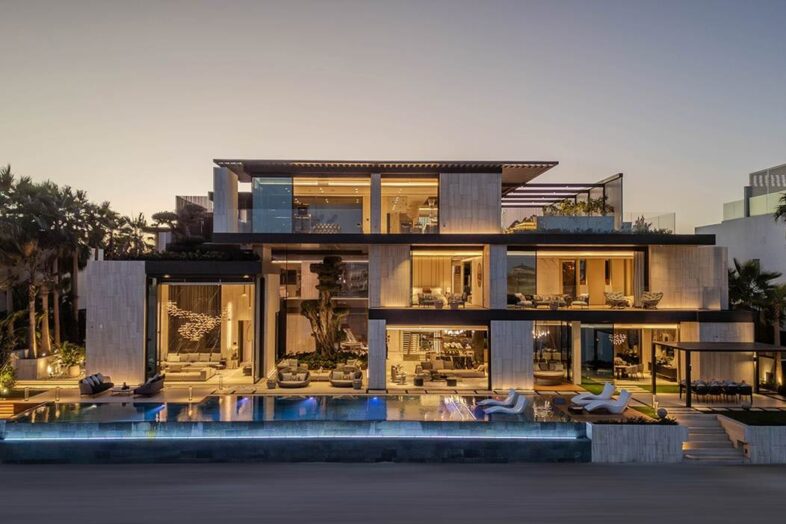
By Kiana Jehangir Dubai’s ultra-luxury residential sector is riding the wave of exceptional demand—especially for ready-to-move-in trophy properties in elite neighbourhoods. Here’s how Q2 2025 is reshaping the market’s upper echelons. Table of Contents 1. Market Momentum: Record-Breaking Q2 Dubai’s ultra-prime property segment (homes priced at AED 15 million+) recorded 1,417 transactions in Q2 2025—a stunning 67% quarter-on-quarter and 113% year-on-year surge.This relentless pace continued into the first half, with 2,268 luxury homes changing hands—already 87% of 2024’s full-year volume—showcasing explosive growth in a once niche market. 2. Ready Homes Outshine Off-Plan Options While both segments show momentum, Q2 buyers clearly prefer completed move-in ready homes, accounting for 1,153 transactions—over four times more than off-plan units. Ready homes also saw a 137% year-on-year lift, compared to a 48% increase for off-plan.This reflects a shift toward immediacy, privacy, and certainty among affluent buyers. (“Buyers … are increasingly prioritising properties that are move-in ready, particularly in well-established prime areas.” — Dean Douglas Evans, PRIME by Betterhomes) 3. Prime Neighbourhoods Lead the Charge Transactions concentrated in Dubai’s most prestigious enclaves: These coveted addresses continue to attract ultra-wealthy homeowners seeking quality and exclusivity. 4. What’s Fueling Ultra-Luxury Demand Dubai’s ultra-luxury market is underpinned by: 5. The Noble House Perspective: What This Means for Investors Insight The Noble House Takeaway Surging Demand The ultra-luxury market is not just resilient—it’s accelerating. Ready Homes Preferred Emphasize turnover and listings of high-quality, ready properties. Neighbourhood Matters Investing in or advising on trophy homes in areas like Palm and MBR City offers premium desirability. Sustainable Growth Policy support and lifestyle demand will anchor long-term value in ultra-prime assets. In Summary Q2 2025 stands out as a milestone quarter: 1,417 ultra-luxury home deals, a clear preference for transaction-ready properties, and solid interest across Dubai’s most prestigious neighbourhoods. These trends underscore a real estate market where durability, exclusivity, and immediacy are paramount.

Dubai’s Real Estate Boom: 61,800 Units Under Construction Amid H1 Sales Surge

Dubai’s Real Estate Boom: 61,800 Units Under Construction Amid H1 Sales Surge

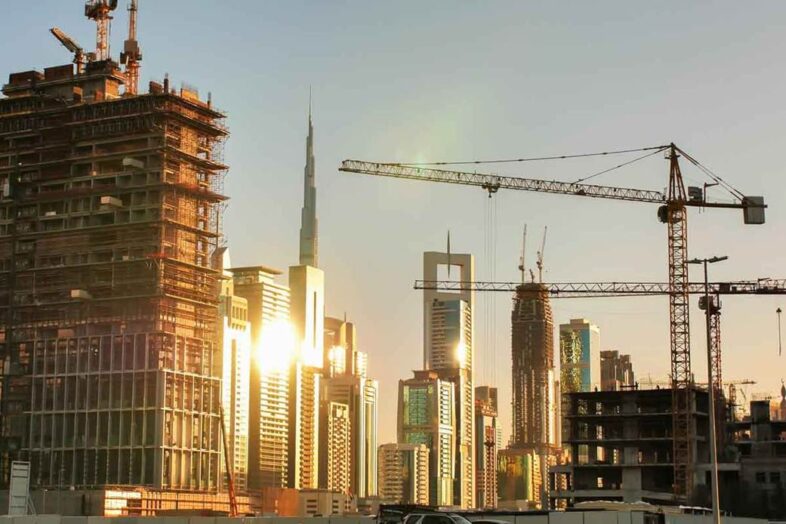
By Kiana Jehangir Dubai’s property market is roaring ahead—characterized by strong investor confidence, ramped-up development activity, and promising signs for long-term growth. Here’s how the first half of 2025 is reshaping the city’s real estate narrative. Table of Contents 1. H1 2025 Market Snapshot Dubai’s residential real estate sector recorded 91,900 transactions in the first half of 2025, totalling AED 262.1 billion ($71.36 billion)—a remarkable 22.9% increase in volume and 36.4% in value compared to H1 2024. 2. Where Construction Is Burgeoning Approximately 17,200 residential units were handed over in H1, with nearly 42.4% concentrated in key areas like Jumeirah Village Circle (JVC), Sobha Hartland, and Mohammed Bin Rashid City. Looking ahead, over 61,800 units are currently under construction for delivery in 2025, and more than 100,000 are expected in 2026–2027. However, only 21% of 2025’s projects have reached at least 75% completion, suggesting potential delivery delays. 3. Price & Rental Trends Prices continue their upward trajectory: residential property values climbed 7.8% over H2 2024 and 16.6% year-on-yearfrom H1 2024. Renting remains robust—9.9% up year-on-year—though slightly down 0.6% since H2 2024, hinting at waning rental inflation. 4. Investor Demographics & Buyer Behavior Investor activity painted a vivid picture of confidence: 5. What It Means for Developers & Homebuyers A. Momentum, But Caution for Delivery A pipeline delivering an average 9,000 units per month through 2027 is projected—but real-world constraints and slow-moving construction could shift timelines. B. Stabilization of Rental Market Slight declines in rental growth suggest the dawn of a more balanced market—welcome news for residents and this city’s talent retention strategy. C. First-Time Buyer Program as a Catalyst The recently introduced First-Time Buyer Program targets diversification of the buyer base, encouraging long-term ownership and helping shape a more inclusive housing ecosystem. Summary at a Glance Key Insight Takeaway Transaction Momentum Sales and value surged in H1 2025, powered by new and returning investors. Construction Boom Tens of thousands of units underway, but cautious optimism due to completion delays. Market Maturation Rental market softening: policies like First-Time Buyer program suggest a more stable future. Dubai’s real estate story in H1 2025 is one of dynamic activity and shifting foundations. The market remains vibrant, yet greater emphasis on delivery timelines, thoughtful policy support, and broader accessibility promises a more mature, resilient future.

Dubai Residential Real Estate Surges to AED 262 Billion in H1 2025

Dubai Residential Real Estate Surges to AED 262 Billion in H1 2025

By Kiana Jehangir Dubai’s residential property sector is in full throttle—with record-breaking sales, flourishing off-plan activity, and shifting buyer preferences signaling both robustness and evolution in the market. Table of Contents 1. H1 2025 in Review: Sales & Volume Dubai’s residential real estate market recorded a staggering AED 262 billion in sales during the first half of 2025, marking a 36.4% increase year-on-year. In terms of volume, the city saw 91,900 transactions, up 23% from H1 2024. 2. Off-Plan vs Ready Homes: Demand Shifts Off-plan properties continue to dominate—accounting for over 70% of transactions. That said, ready homes are gaining traction, with 27,400 deals recorded—a 10% year-on-year rise. In the off-plan segment, villa and townhouse sales are notably strong, particularly in four-bedroom configurations, which made up 55% of off-plan transactions. Meanwhile, in the ready segment, three- and four-bedroom units remain the most sought after, though five-bedroom sales are also rising and now account for 13% of deals. 3. Developer Highlights & Hot Zones Leading developers by sales volume include Emaar, DAMAC Properties, and Sobha Group. Interestingly, Beyondjoined the top 10 for the first time, backed by strong sales at Dubai Maritime City. Other key players on the leaderboard include Binghatti, Danube, Samana, Nakheel, Azizi, and Wasl. Geographically, Jumeirah Village Circle (JVC) led apartment sales with over 8,000 transactions, while DAMAC Islands headed the off-plan villa and townhouse segment, and DAMAC Hills 2 topped ready villa and townhouse deals. 4. Market Context: Rental Moderation & Strategic Significance Ronan Arthur, Director and Head of Residential Valuation at Cavendish Maxwell, describes H1 2025 as a “strong, thriving” market, with “robust buyer demand and rising sales.” Importantly, he notes early signs of moderation in rental prices, a positive signal for Dubai’s appeal to new residents and talent. 5. The Noble House Insight: What It Means for Investors Trend The Noble House Perspective Sales Momentum Sustained investor interest—especially in off-plan theories—defies previous volatility. Diversified Buyer Base Rising transactions in both off-plan and ready segments suggest a nuanced market with both investors and end-users. Neighbourhood Nuance Communities like JVC and DAMAC’s hubs highlight where accessibility meets value—important for strategic investment. Rental Calm Amid Growth Rental moderation tempers inflation and supports a more balanced ecosystem—valuable for long-term residents. In Summary Dubai’s residential real estate market is exhibiting remarkable dynamism. With record H1 sales of AED 262 billion, growing demand for both off-plan and ready homes, and top developers broadening the competitive landscape, the city is positioned for continued property gains. At the same time, easing rental growth supports longer-term stability—a welcome signal for investors and occupiers alike.