
- April 21, 2026
- 4
- Real Estate
By Kiana Jehangir
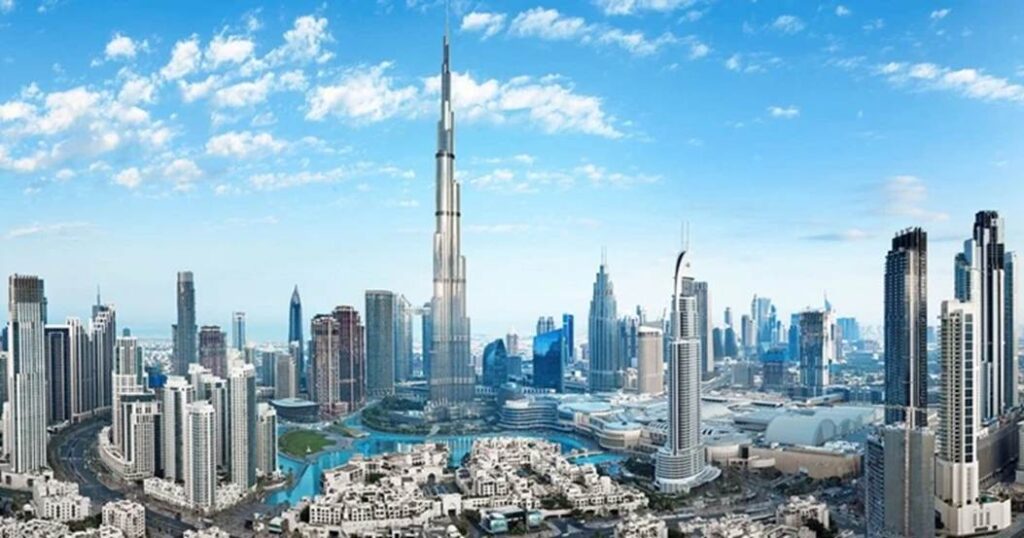
As Dubai’s real estate market continues its evolution, 2026 promises to be a pivotal year. New supply, changing buyer expectations, and emerging lifestyle priorities are reshaping what “smart investment” means in the city. Below, we explore the most important trends that will define Dubai’s real estate landscape — and how you, as an investor or buyer, can position yourself for success.
1. The Supply Flood
Developers are delivering new stock at an unprecedented pace. In the first half of 2025 alone, more than 20,000 new units entered the market, and projections suggest an additional 70,000 units will launch in the latter half of the year. Over the medium term, as many as 210,000 units may come online by 2027.
This surge in supply is driven by sustained demand — Dubai hosted approximately 9.88 million international visitors in just the first half of 2025 — and developer confidence in the city’s growth trajectory.
While this wave of inventory could temper price growth in mainstream segments, the luxury end of the market is likely to remain more resilient, supported by a growing number of high-net-worth individuals seeking premium homes.
2. Sustainability, Green and Smart Living
Environmental consciousness and technological integration are no longer optional — they are becoming baseline expectations for new developments.
Green & Energy-Efficient Design
Buildings are now designed with better insulation, water-saving systems, and energy-optimized air conditioning to reduce operational costs and improve long-term desirability. Entire communities are being planned around green spaces, walkability, and natural ecosystems.
Smart Home Features
Intelligent security systems, automated lighting, energy usage analytics, and integrated controls are becoming standard in mid- to upper-tier projects. These features attract tech-forward buyers and tenants willing to pay for convenience, safety, and efficiency.
These shifts are aligned with Dubai’s 2040 Urban Master Plan, which emphasizes sustainability, green infrastructure, and better public transport corridors as foundational to the city’s future growth.
3. Off-Plan Still Commands Attention
Even amidst growing supply, off-plan property sales remain a dominant force in Dubai’s real estate ecosystem.
Why Off-Plan Retains Appeal:
- Flexible Payment Terms: Developers increasingly offer staggered payment schedules, often extending well into construction or even post-handover.
- Lower Initial Capital Requirement: Investors can lock in prices before full construction, offering more favorable entry compared to completed units.
- Potential for Capital Appreciation: Many off-plan buyers anticipate that property values will rise by the time of handover, yielding both capital gain and income upside.
Regulatory safeguards have also strengthened investor protection: developers are required to deposit buyer payments into escrow accounts and only draw them down as construction milestones are met.
4. Rise of Branded Residences
Branded residences are emerging strongly as a preferred category for premium buyers. These developments associate a property with a well-known luxury brand — such as a top hotel, fashion house, or carmaker — promising higher standards of design, service, and exclusivity.
While the price premium for a branded unit can run around 40% higher than comparable unbranded alternatives, the benefits include stronger resale appeal and greater demand resilience during market fluctuations. For investors and buyers seeking long-term stability and prestige, branded residences are fast becoming a compelling option.
5. Tourism-Driven & Short-Term Rentals
The short-term and holiday rental segment of Dubai’s property market is growing rapidly, propelled by high visitor numbers and evolving regulatory clarity.
In the first half of 2025, Dubai recorded nearly 9.9 million international visitors, a 6% increase over the previous year. Many landlords are shifting away from long-term leases toward short-stay models to capture higher nightly rates and occupancy premiums. Average occupancy across short-term rentals has been around 71%, reflecting strong demand.
The government has instituted regulatory structures — including mandatory permits and registration with tourism authorities — to bring this segment into the formal economy, which reduces regulatory risk for compliant hosts.
6. Market Outlook & Pricing Pressures
With so many new units entering the pipeline, some moderation in price growth is expected. Moody’s forecasts that more than 150,000 new homes between 2025 and 2027 could lead to a modest correction in property values by 2026. This would amount to an approximately 20% increase in housing stock overall, which may ease upward pressure on rents and pricing.
Certain segments — especially mid-market apartment zones — may see price softening, while luxury and villa sectors are expected to hold up better. Developers are in a stronger position compared to past cycles: many have reduced their debt leverage and increased project backlogs, which helps them sustain momentum even in slower price environments.
7. Strategic Opportunities & Risks
Opportunities to Watch:
- Emerging neighborhoods with long-term catalysts: Areas such as Dubai South, Mohammed Bin Rashid City, and communities near mega-projects offer early-stage upside.
- Branded and amenity-rich mid-luxury buildings: These can attract discerning tenants and buyers willing to pay for differentiated features.
- Short-term rentals in prime zones: Projects in Downtown, Palm Jumeirah, Business Bay, and Dubai Marina can deliver elevated returns when properly managed and permitted.
Key Risks to Mitigate:
- Oversupply & timing mismatches: New launches could cluster and saturate certain markets — carefully verify delivery schedules and absorption rates.
- Policy changes or permit restrictions: Building-level bylaws may restrict short-term leasing or furniture standards — always review HOA rules.
- Financing assumption shifts: LTVs, interest rates, and bank valuation policies may change — model conservative scenarios.
8. Closing Thoughts
2026 marks a transition, not a turn. Dubai’s real estate market is shifting from rapid growth to a more balanced, sustainable dynamic. For investors and buyers, this means that success lies not in chasing sky-high returns, but in identifying the narratives that endure — sustainability, technology, location, and resilience.
With disciplined selection, smart underwriting, and an eye toward long-term themes, the next wave of real estate opportunities in Dubai is waiting. The market is no longer just about outsized growth — it is about meaningful, sustainable value.
