
- April 22, 2026
- 3
- Real Estate
By Kiana Jehangir
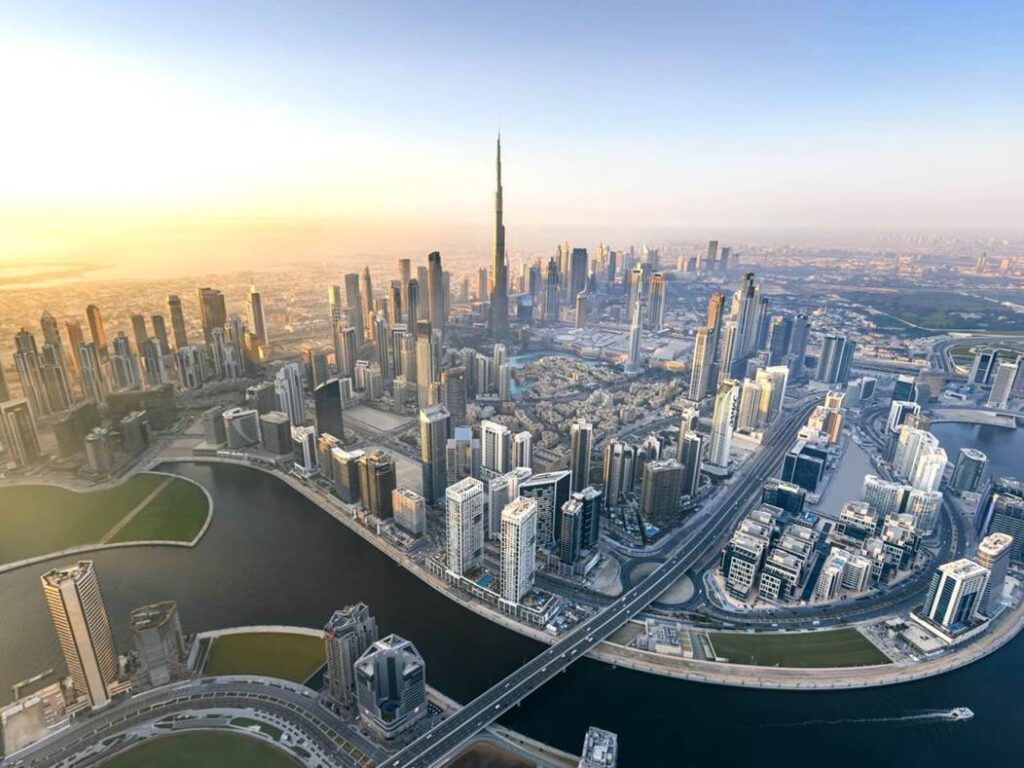
Dubai’s luxury real estate sector is undergoing a significant shift. After two years of record-breaking price appreciation, transaction volume, and unprecedented inflow of ultra-high-net-worth buyers, the market is now transitioning into a phase of stabilization and maturity. This shift does not signal a slowdown — rather, it marks a more sustainable and strategically rational growth trajectory, one defined by quality over volume, end-user residency over speculation, and long-term value creation over short-term turnover.
This evolution is reflective of multiple converging forces: demographic transformation, wealth migration, regulatory modernization, and the global repositioning of Dubai as a secure, tax-efficient, lifestyle-driven hub for both capital and residency.
_________________________________________________________________________________
Table of Contents
- Market Overview: From Rapid Growth to Stable Maturity
- Demand Drivers: Who Is Buying and Why?
- The Shift Toward End-User Ownership
- Supply Trends: Ultra-Low Inventory and Limited Land
- Pricing Outlook: Why Values Are Holding Firm
- Neighborhoods Leading the Luxury Cycle
- Developer Strategy: Limited Editions, Branded Living, and Design-Led Homes
- What This Means for Investors
- Conclusion
_________________________________________________________________________________
1. Market Overview: From Rapid Growth to Stable Maturity
From 2021 to 2023, Dubai recorded the fastest growth in luxury home prices globally, outpacing London, New York, and Singapore.
This surge was driven by:
- Post-pandemic global wealth relocation
- Migration of founder-class entrepreneurs
- Surge in Golden Visa-linked real estate investment
- Expansion of high-net-worth residency programs
However, as the market matured:
- Transaction volumes normalized
- Price acceleration steadied
- Buyer intent shifted from speculative to long-term ownership
The result is a healthy, sustainable market cycle — not a boom-and-bust curve.
_________________________________________________________________________________
2. Demand Drivers: Who Is Buying and Why?
The buyer profile has evolved decisively.
Today’s luxury buyers in Dubai are:
- End-users relocating with families
- Business founders establishing regional HQs
- UHNW individuals restructuring asset portfolios
- European buyers migrating for tax efficiency and security
- GCC families consolidating multi-generational holdings
What they prioritize:
- Privacy and low-density living
- Waterfront access
- Architectural individuality
- Educational and healthcare proximity
- Long-term residency frameworks
This aligns with Dubai’s repositioning as a primary home market, not a secondary vacation-home market.
_________________________________________________________________________________
3. The Shift Toward End-User Ownership
Dubai’s luxury market is no longer speculative.
End-users now represent the majority of $5M+ transactions, and they typically hold property for:
- Lifestyle use
- Legacy planning
- Residency anchoring
This reduces market volatility by removing the rapid buy-sell turnover common in speculative cycles.
As a result:
- Price floors have strengthened
- Inventory is tightening
- Developers are designing for personal living, not short-term resale
This end-user anchoring aligns with the evolution noted in luxury home buying behavior across Dubai Marina and other waterfront enclaves, where purchases are driven by lifestyle fit, privacy, and long-term settlement rather than investment flipping. article example
_________________________________________________________________________________
4. Supply Trends: Ultra-Low Inventory and Limited Land
A defining characteristic of Dubai’s luxury cycle is the scarcity of buildable waterfront and ultra-prime land.
This supply constraint is structural — not temporary.
Key pressure points:
- Palm Jumeirah plots are nearly fully allocated
- Jumeirah Bay Island inventory turnover is extremely low
- Ultra-luxury villas represent <3% of total new supply annually
- Demand growth continues to outpace new inventory creation
This imbalance supports price stability and long-term value appreciation.
_________________________________________________________________________________
5. Pricing Outlook: Why Values Are Holding Firm
Unlike previous cycles, price stabilization today is not driven by oversupply corrections, but by:
- Limited availability of waterfront property
- End-user hold periods increasing
- Global UHNW population growth (expected +52% over next decade)
- Dubai’s rising reputation for political and economic stability
This means:
- Prices may not surge, but they are unlikely to fall
- Market value now reflects intrinsic, not speculative, pricing
The market has effectively re-rated luxury property upward into a new value category.
_________________________________________________________________________________
6. Neighborhoods Leading the Luxury Cycle
| Location | Positioning | Buyer Profile |
| Palm Jumeirah | Mature ultra-luxury waterfront living | UHNW families, long-term villa owners |
| Jumeirah Bay Island | Private island exclusivity | Global elites seeking anonymity |
| Dubai Hills View & Grove | Golf course privacy + land | GCC families and end-user estate-builders |
| Dubai Marina (waterfront towers + penthouses) | Urban marina lifestyle | Young executives + investor-residents article example |
The shift is clear: spaces with privacy, land, and architectural differentiation outperform high-density towers.
_________________________________________________________________________________
7. Developer Strategy: Limited Editions, Branded Living, and Design-Led Homes
Developers are responding to this maturity curve by prioritizing:
- Low-volume, high-impact launches
- Branded residences with hospitality-grade service
- Architectural distinction over scale
- Private wellness, air, and acoustic engineering
- Personalization options for end-users
This aligns with the design philosophy behind luxury home purchasing behavior, where emotional resonance and lifestyle integration now outweigh pure investment rationale.
Structuring Your Content for SE…
_________________________________________________________________________________
8. What This Means for Investors
The opportunity is now long-term, not speculative.
Investors should focus on:
- Waterfront and golf-course properties
- Branded residences with proven operator prestige
- Micro-markets with structural supply constraints
- Villa communities with privacy, land, and architectural identity
Expected returns under the mature cycle:
- Moderate, stable capital appreciation
- Predictable rental yields
- Reduced volatility
- High liquidity for ultra-prime assets
In other words: Dubai is now a wealth-preservation market, not just a wealth-growth market.
_________________________________________________________________________________
9. Conclusion
Dubai’s luxury real estate market is not cooling — it is refining.
The era of rapid surge has transitioned into a new phase defined by:
- Lifestyle-driven end-user demand
- Scarcity-led pricing resilience
- High-quality, design-centered development
- Long-term stability over speculation
This maturity marks Dubai’s arrival as one of the world’s leading primary home markets for the global elite — not just a place to invest, but a place to live.
