

- April 22, 2026
- 4
- Real Estate
By Kiana Jehangir
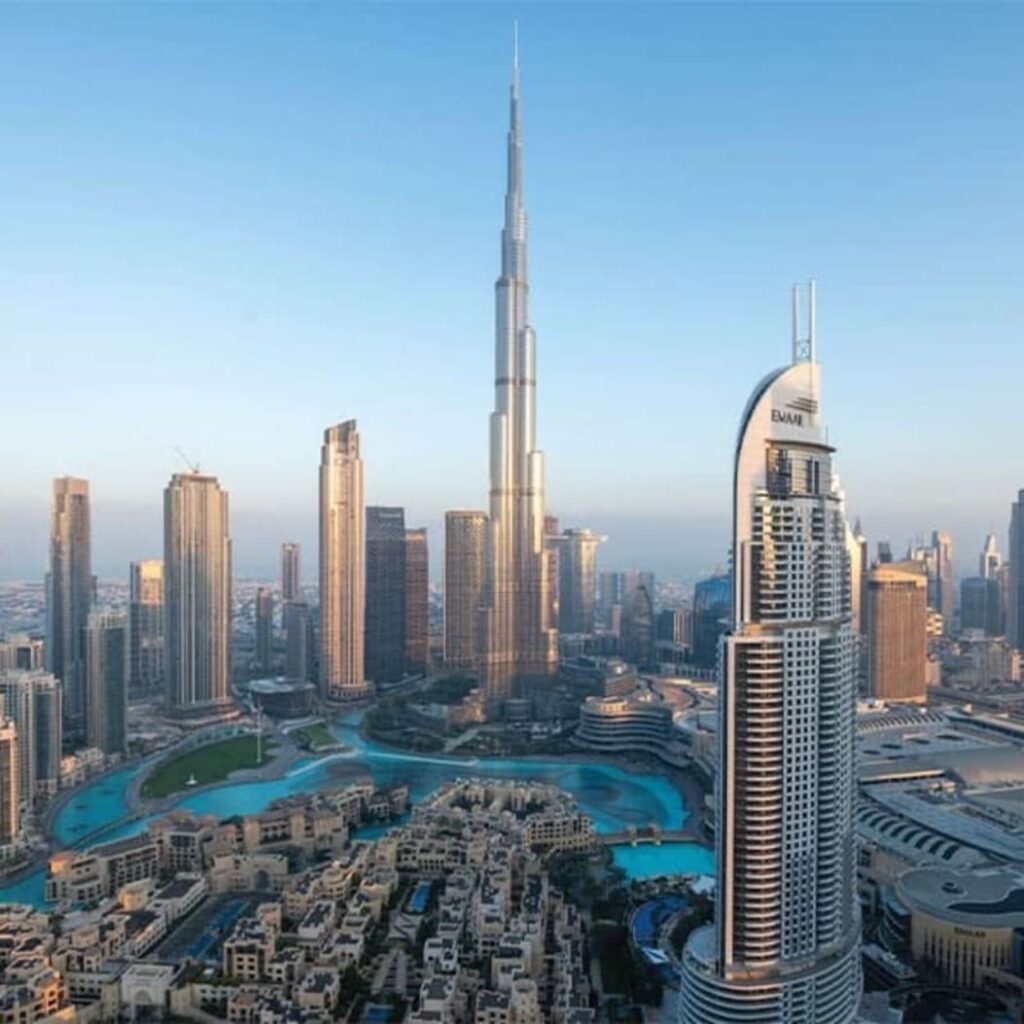
The luxury residential property market in Dubai is entering a new phase: one of strategic resilience rather than unsustainable acceleration. After years of double-digit growth, where every quarter seemed to break new records, today the emphasis has shifted toward sustainable value, medium-term stability, and a buying base driven by lifestyle and long-term residency rather than short-term speculation.
________________________________________________________________________________
Table of Contents
- What the Data Shows: Market Metrics & Trends
- Drivers of the Shift: Supply, Demand & Buyer Psychology
- Luxury Sub-segments: Villas, Penthouses & Ultra-Prime
- Implications for Investors and End-Users
- Risks and Watch Points
- Conclusion
________________________________________________________________________________
1. What the Data Shows: Market Metrics & Trends
- According to the latest market commentary from Betterhomes, Dubai’s luxury real-estate segment is evolving from a phase of hypergrowth into “healthy stabilisation.”
- Key metrics confirm this shift: for example, luxury transaction volumes (properties in the ultra-prime category) remain elevated, but price growth is moderating, signalling a deceleration of runaway growth.
- There is a growing focus on quality of life, architectural identity, and location value rather than simply chasing the steepest price increases.
- In new-launch off-plan and ready projects alike, buyers are increasingly end-users or professional relocators rather than short-term speculators.
- Supply-side factors are tightening ultra-prime land is limited, new launches are fewer, and developers are scaling back bulk releases in favour of curated inventory.
________________________________________________________________________________
2. Drivers of the Shift: Supply, Demand & Buyer Psychology
Demand Side
- Global high-net-worth individuals and founder-class entrepreneurs are relocating to Dubai, drawn by residency pathways, tax efficiency, and lifestyle infrastructure.
- These buyers are looking for homes, not just investments — meaning properties designed for living, families, and long-term occupancy.
- As one market commentary puts it: “The market is now anchored by lifestyle and long-term ownership rather than mere investment flips.”
Supply Side
- The land pipeline for ultra-luxury villas and waterfront estates is structurally constrained; this scarcity supports value retention.
- Developers are increasingly selective in release timing and volume, consciously moving away from over-supply risk.
- Many projects now incorporate design differentiation, branded residences, and experiential amenities, which appeal to the premium buyer segment and reinforce value beyond mere square footage.
Buyer Psychology & Value Shift
- Buyers are placing more emphasis on privacy, architectural identity, wellness features, and community quality— traits consistent with ultra-prime global markets rather than emergent luxury plays.
- As growth moderates, the mindset shifts from “next-big-gain” to “next-great-home”.
- This mindset change underpins why the market language is now stabilisation not boom.
________________________________________________________________________________
3. Luxury Sub-Segments: Villas, Penthouses & Ultra-Prime
- Villas and large-format homes in gated or waterfront enclaves continue to display strength — given their supply scarcity and lifestyle appeal.
- Penthouses and ultra-prime high-rise units retain appeal, especially when they carry brand associations, resort-style amenities, or architectural prestige.
- While average annual growth may moderate, price floors are rising as the market re-rates luxury upward — the “value” baseline is moving higher.
- Because of this, ultra-luxury homes are less vulnerable to cyclical dips seen in mid-tier segments; their value drivers are structural and long-term.
________________________________________________________________________________
4. Implications for Investors and End-Users
For Investors
- The new phase suggests lower volatility, more predictable returns, and stronger preservation of value rather than rapid speculative gain.
- Entry into ultra-prime villas, waterfront locations, and branded residences is aligned with the long-term value thesis.
- Off-plan investments remain viable — but the selection criteria must emphasise brand/developer reputation, handover timing, and location scarcity.
For End-Users
- Buyers looking for primary residences should focus on community infrastructure, educational and healthcare proximity, architectural credibility, and resale value.
- The stabilising market means purchasing decisions can lean less on catching a “price wave” and more on lifestyle fit, longevity and ownership experience.
________________________________________________________________________________
5. Risks and Watch Points
- While growth is stabilising, the macro-global backdrop (interest rates, global wealth flows, regional policy shifts) remains a watch point.
- Mid-tier luxury segments may see higher volatility; ultra-prime segments have better structural resistance.
- Delivery delays or oversupply in specific sub-markets can still create micro-risks; due diligence remains crucial.
- Buyers must evaluate not just unit size and view but community quality, service levels, and long-term maintenance — factors that determine value preservation.
________________________________________________________________________________
6. Conclusion
Dubai’s luxury real-estate market is no longer in the fast lane of unchecked growth — it is entering a more mature, resilient phase. For developers, the mandate becomes less about sheer volume and more about curated, high-design homes. For buyers and investors, the opportunity shifts from speculative upside to sustainable ownership. In this new landscape, those who prioritise quality of life, long-term value, andarchitectural integrity will be best positioned. Dubai is evolving into a global benchmark luxury city — where ultra-prime real-estate is not simply bought, but chosen.
