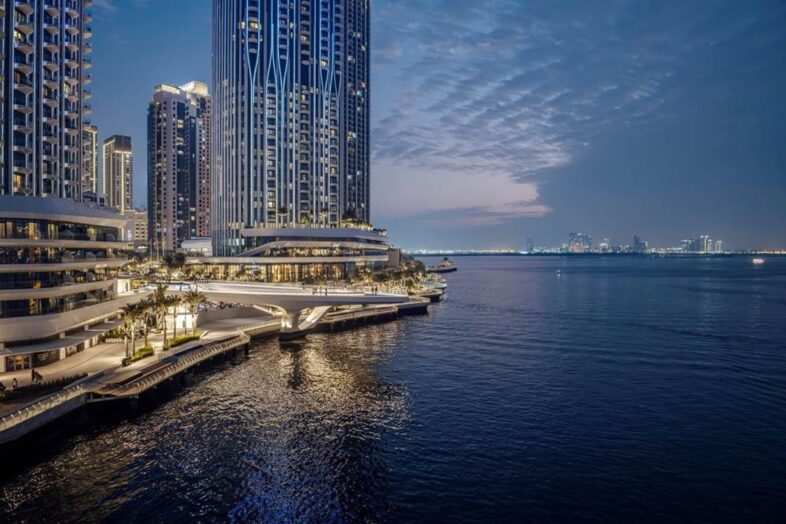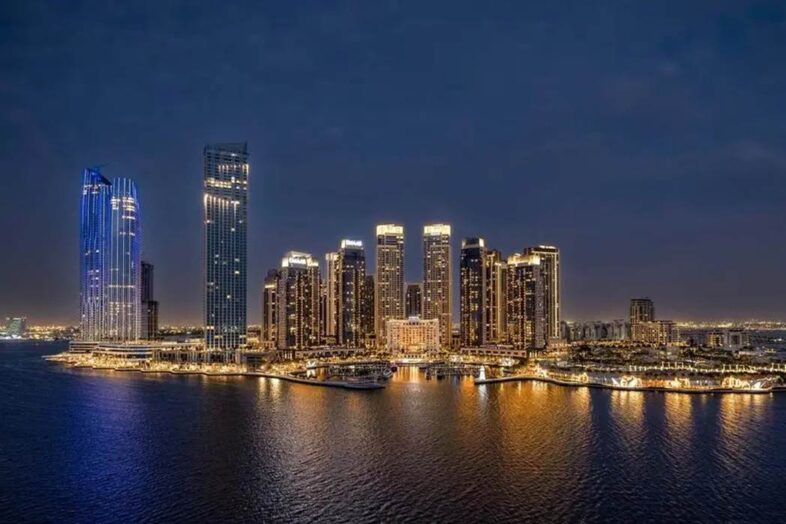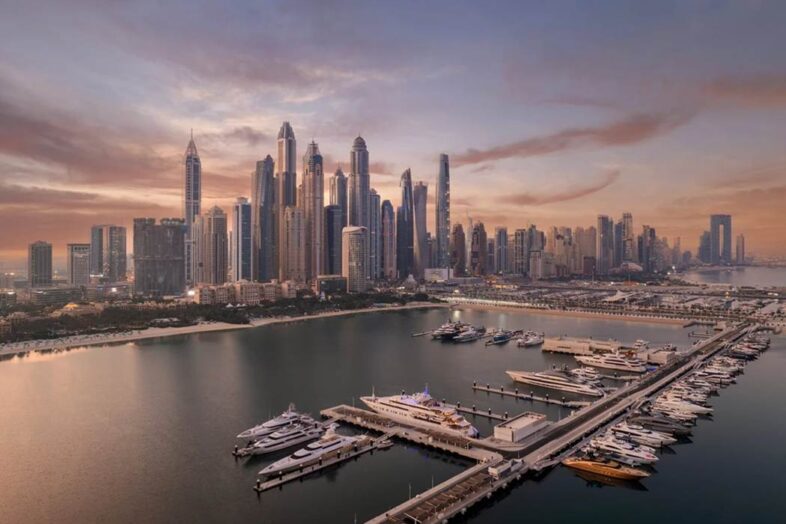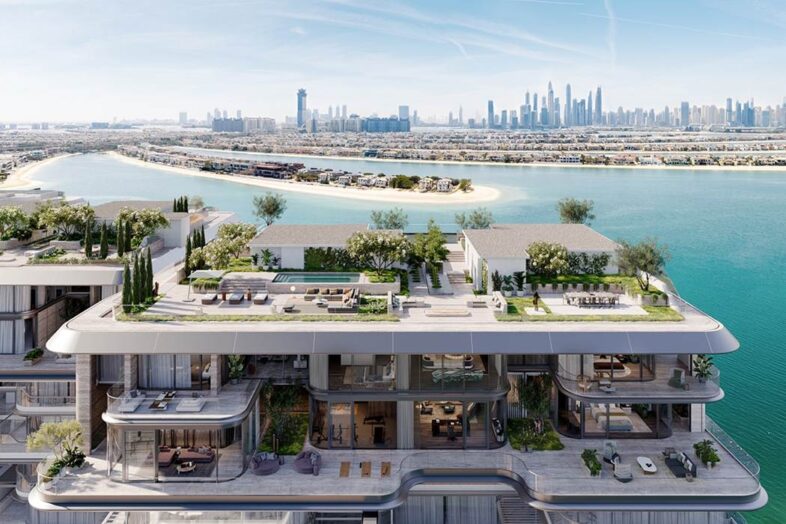
Dubai Real Estate Investment Strategy for a USD 10 Million Investor
Executive overview A USD 10 million investor in Dubai real estate should not treat the market as a single asset class. The strongest outcomes usually come from dividing capital across income-led assets, appreciation-led off-plan projects, and a smaller opportunistic allocation for ultra-prime exposure, because Dubai offers different return profiles by micro-market, developer quality, and project stage. For a professional presentation, the most defensible recommendation is a barbell strategy: core cash-flow assets in high-yield apartment communities, selective off-plan entries with reputable developers, and a measured premium allocation to waterfront or branded product where upside is driven more by capital appreciation than by headline rental yield. Market context Dubai’s residential market remains attractive to investors because gross rental yields in many communities are materially higher than those in major global gateway cities, with many areas commonly in the 6% to 8% range and some affordable districts exceeding that. The off-plan segment is also large enough to matter strategically. Dubai Land Department data cited in market reports shows more than 102,000 off-plan deals in 2024 contributing around AED 213 billion, demonstrating that investors continue to use pre-completion inventory as a core route to future appreciation and flexible payment structuring. What a USD 10M investor should optimize For a USD 10 million ticket, the relevant investment metrics go beyond simple gross ROI: How the main options compare 1. High-yield established apartment communities This bucket includes areas such as JVC, selected Business Bay stock, parts of Dubai Marina, Discovery Gardens, and similar rental-driven apartment markets. These typically provide the strongest cash-flow case, especially for studios and one-bedroom units, with citywide market commentary repeatedly placing many such areas in the 6% to 9% gross yield range. For a USD 10M investor, this strategy works best when the goal is diversified rental income, lower vacancy concentration risk, and easier tenant turnover management. The trade-off is that capital appreciation is usually steadier rather than explosive, unless the investor acquires early in a fast-improving submarket. 2. Off-plan mid-market growth plays This is the most scalable route for investors seeking capital growth. Off-plan inventory usually offers lower entry pricing, developer payment plans, and the possibility of price uplift before handover, particularly when entering early in the launch cycle and with a developer that has strong delivery credibility. The risk is timing and execution. ROI may look compelling on paper, but returns are deferred until completion, and investors must underwrite construction progress, supply pipeline, future rents, and resale depth at handover. 3. Emerging waterfront regeneration areas Dubai Maritime City is the clearest example in the current market. Multiple market sources frame it as an emerging waterfront district with strong medium-term upside, while reported rental yield ranges vary depending on project type, furnishing, and whether the analysis is for current stock or forward-looking units. For a USD 10M investor, this is attractive because it combines a regeneration story, relative scarcity, and the possibility of both appreciation and rental demand from premium tenants. The trade-off is that some of the area’s investment case is still future-facing, so underwriting should be more conservative than in a mature district like Dubai Marina. 4. Prime and ultra-prime branded/luxury assets This category includes trophy waterfront or branded residences, where the investor buys quality, tenant profile, and prestige rather than maximum running yield. Luxury developers often generate lower yields, with market commentary placing premium developers such as Select Group and Omniyat broadly in the 3% to 6% band depending on project and unit type.[cite:16] This is the right segment only if the investor values capital preservation, trophy positioning, and long-term scarcity more than cash flow. For many investors, it should remain a minority allocation rather than the full strategy. Developer-specific review SOL Developer Public market commentary around SOL-branded projects positions them as offering stronger-yielding opportunities than trophy luxury, especially in projects such as SOL Levante and SOL Luxe. One project-focused source cites SOL Levante studios at around 9% to 10% annual return potential, while another market commentary references SOL projects producing roughly 8% to 9% ROI in completed schemes, though those figures should be treated as promotional rather than audited market averages. The core investment case for SOL is value-plus positioning: modern product, appealing amenity packages, and relatively accessible price points compared with top-tier luxury waterfront names. For a USD 10M investor, SOL can fit the growth-and-income sleeve, especially when focused on smaller apartments with wide rental appeal and limited-supply configurations that may support resale premiums. Beyond Developments Beyond Developments is generally presented as a premium waterfront and sustainability-oriented proposition, with a strong emphasis on Dubai Maritime City and on strategic long-term value rather than headline short-term income. Market commentary links Beyond to the Omniyat ecosystem and repeatedly highlights DMC as the core geography behind its appreciation case. The investment case is strongest for investors who want exposure to an emerging waterfront district before full maturation. Reported ROI language around Beyond is usually qualitative rather than tightly quantified, so the best underwriting approach is to anchor forecasts to Dubai Maritime City area metrics rather than to rely on developer marketing alone. Select Group Select Group is one of the easiest developers to position in an investor presentation because it sits in a well-understood premium segment with real operating locations such as Dubai Marina and Business Bay. Third-party market commentary places project-level rental yields around 7.2% to 8.8% for Marina Gate, 6.4% to 7.5% for 15 Northside, and 6.1% to 6.8% for Peninsula, while broader developer commentary suggests luxury-focused yields can compress into the mid-single digits depending on product and entry price. For a USD 10M investor, Select Group offers better liquidity and better evidence of tenant demand than many speculative off-plan names because its core locations are already deep rental and resale markets. Its main drawback is that the entry basis is higher, so the upside multiple may be lower than an early-stage emerging-area project. Other relevant developers for comparison A complete investor memo should also benchmark Emaar, Sobha, DAMAC, and value-oriented yield players such as Nshama …