- April 20, 2026
- 4
- News&Media, Real Estate
By Kiana Jehangir | June 26, 2025
1. Price Growth on a Global Scale
A 2025 Deutsche Bank report ranks Dubai as the fastest-rising city centre property market globally. Apartment prices in the city have surged by 122% over the past five years, now averaging $7,602 per square metre. This jump propelled Dubai up 15 places to 37th in the global rankings for city centre property values.
Abu Dhabi saw a 64% rise over the same period, reaching $5,977 per square metre, while Doha followed closely at $4,944.
Table 1 – City Centre Prices per m²
| City | Price (US $) | 5‑Year Growth |
| Hong Kong | 25,946 | –20% |
| Zurich | — | — |
| Dubai | 7,602 | +122% |
| Abu Dhabi | 5,977 | +64% |
| Doha | 4,944 | — |
| Riyadh | 2,664 | — |
2. Rental Prices: City Centre Sky-High
Dubai has become one of the most expensive rental markets in the world. The average rent for a three-bedroom apartment in the city centre is now $4,589 per month—a 49% increase in recent years.
Dubai ranks just behind New York ($8,388), Singapore ($6,216), Boston ($6,091), London ($5,560), and San Francisco ($5,424).
Abu Dhabi remains more affordable at $3,052 per month. Doha averages $2,946, and Riyadh offers the lowest at $2,047.
3. Affordability & Purchasing Power
Despite rising property prices and rents, cities across the Gulf remain among the most affordable globally when comparing housing costs to income.
Dubai ranks in the top ten for housing affordability. The average net monthly salary in Dubai is now $4,064, marking a 35.7% increase over the past five years. Salaries in Abu Dhabi average $3,308, while Doha and Riyadh report $3,062 and $2,442 respectively.
4. Quality of Life Rankings
Gulf cities continue to rise in global quality of life indexes, with strong scores in safety, healthcare, and cost-adjusted purchasing power.
Abu Dhabi ranks 18th globally, Dubai 19th, Doha 23rd, and Riyadh 31st.
5. Underlying Drivers Behind the Boom
Population & Demand
Dubai’s population expanded by nearly 90,000 in the first quarter of 2025, averaging about 1,000 new residents per day. This rapid growth, against a backdrop of limited supply in prime areas, has pushed both rents and property prices higher.
Supply Surge
Approximately 110,000 residential units are scheduled for delivery across 2025 and 2026, with 73,200 expected this year and 95,700 next year. However, some developments may face delays. Despite the volume, analysts have noted that the pace of price growth is already slowing 17% in Q1 2025 compared to higher rates in prior quarters.
Upcoming Correction
Fitch Ratings forecasts a moderate market correction in the second half of 2025, potentially reducing prices by up to 15%. That said, top-tier districts are expected to retain value due to limited availability and sustained demand.
6. What This Means for Tenants & Investors
Leasing trends are shifting. Dubai saw a 10–11% quarterly increase in tenants opting for one- or two-cheque rent payments in early 2025, suggesting more long-term leasing stability.
Meanwhile, buying may now offer better value than renting in many cases. A Dh3 million villa in The Springs commands annual rent of about Dh150,000–200,000. With a 25-year mortgage at 3.99%, annual repayments stand at approximately Dh151,860—making homeownership financially comparable.
7. Glancing Ahead: Balanced Optimism
Although new stock is entering the market, especially in the luxury segment, price corrections are expected to be mild. Buyers are increasingly focused on long-term value and location.
Buyer sentiment remains strong in Downtown Dubai, Business Bay, and The Palm, while residents are exploring upgrades or property swaps rather than exiting the market entirely.
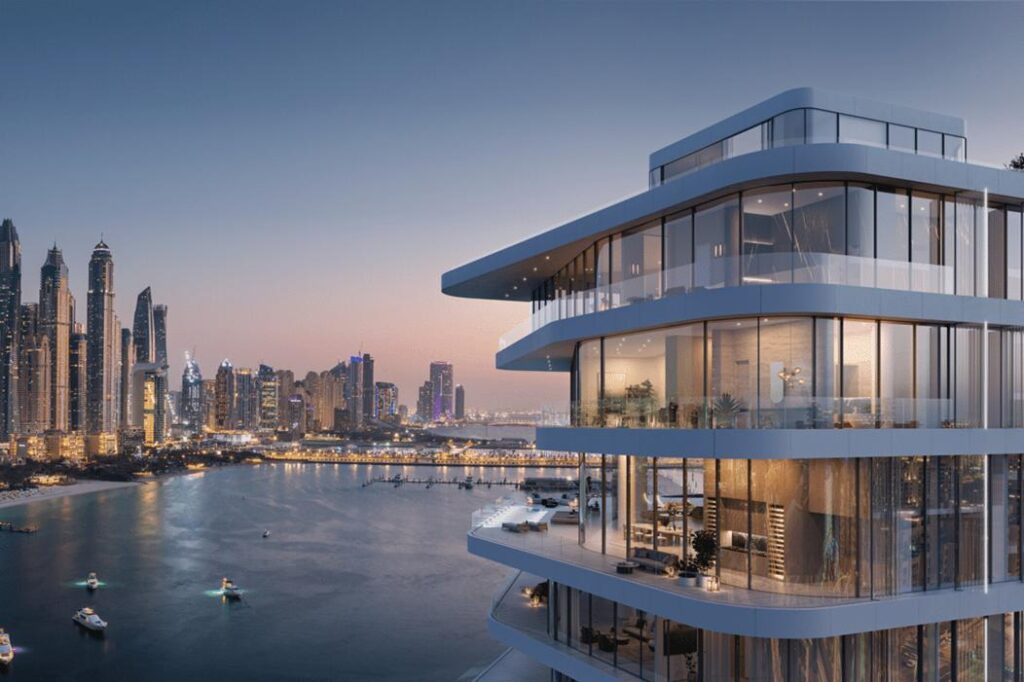
Visual Snapshot
Figure 1: Five-Year Price Rise & Current Rent Levels
- Dubai property prices: +122%
- Abu Dhabi: +64%
- Rent for 3-bed in Dubai city centre: $4,589
- Rent in Abu Dhabi city centre: $3,052
- New York remains highest at $8,388
Conclusion
Dubai’s real estate market has entered a new era—defined by rapid growth, global attention, and recalibration. While rents and prices continue to rise, the market is now showing signs of maturation. A moderate correction, if it comes, may present opportunities rather than risks.
For both buyers and renters, this is a moment to consider long-term strategy: where you live, how you invest, and what value means in a city that never stops evolving.