
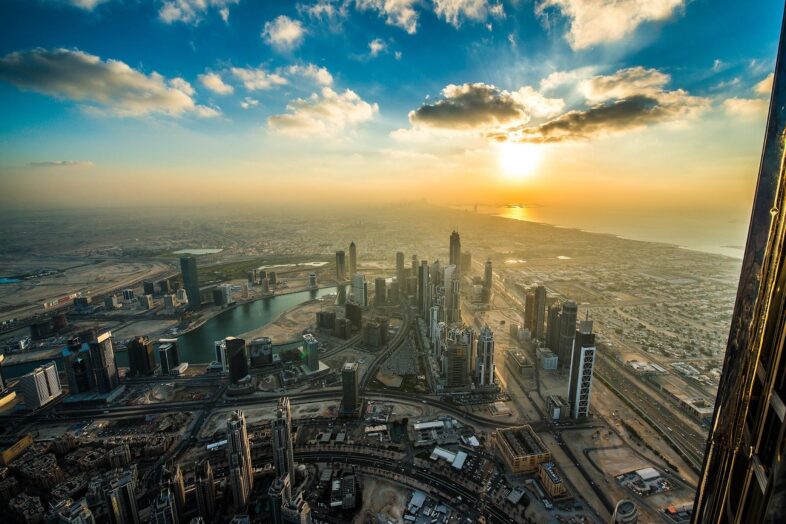
DUBAI 2040 URBAN MASTER PLAN

- December 23, 2025
- 166
- Real Estate
Real Estate Investment Opportunities & Comprehensive Market Analysis
TABLE OF CONTENTS
- Executive Summary
- Dubai 2040 Urban Master Plan Overview
- Population Growth & Millionaire Migration
- Luxury & Ultra-Luxury Real Estate Developments
- Market Performance & Development Pipeline
- Infrastructure & Connectivity
- Investment Advantages
- End-User Benefits
- Market Outlook & Projections
1. EXECUTIVE SUMMARY
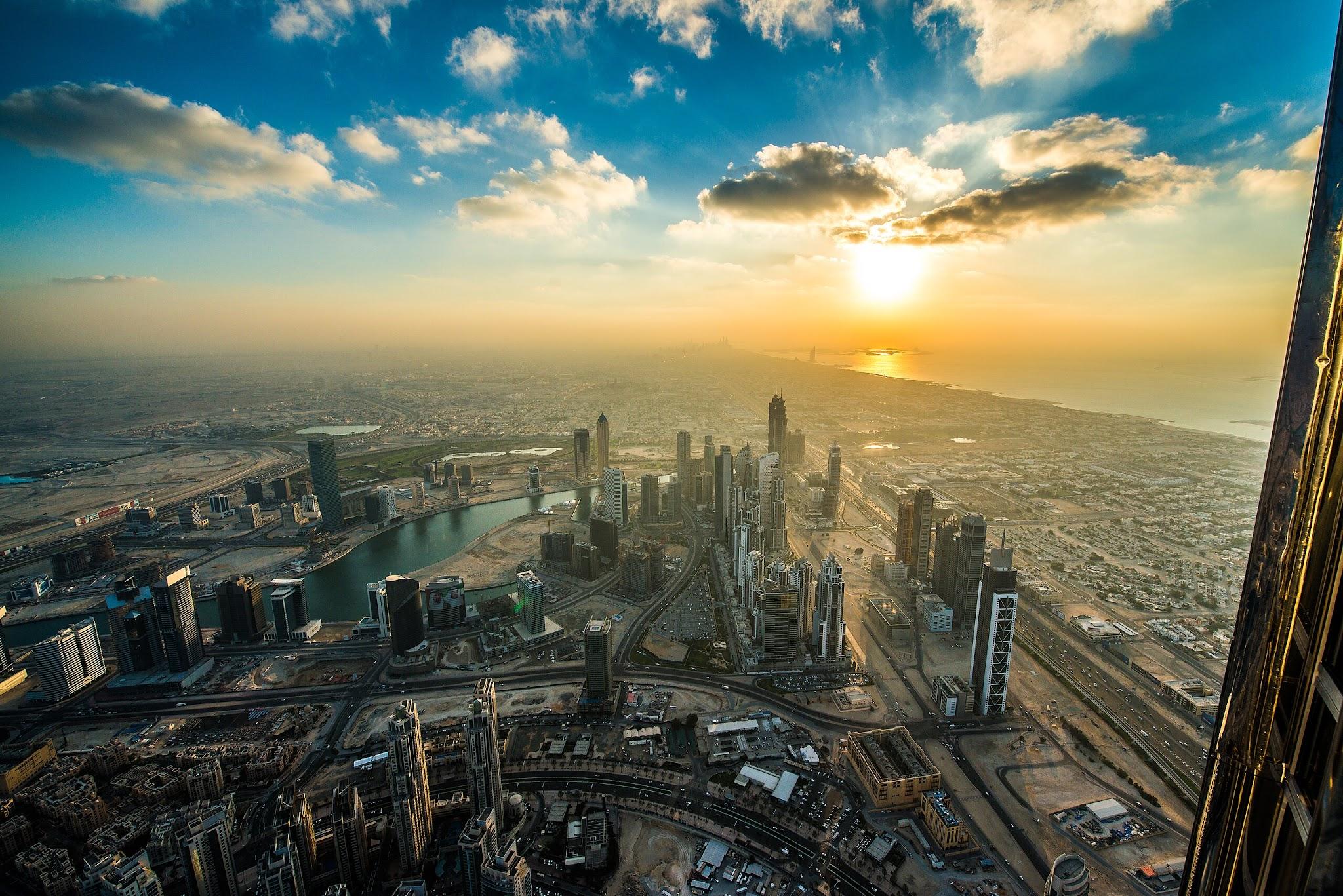
Dubai’s 2040 Urban Master Plan represents one of the most ambitious urban transformation initiatives globally, positioning the emirate as the world’s premier destination for real estate investment. This comprehensive analysis examines the convergence of strategic urban planning, unprecedented millionaire migration, and luxury real estate development that creates exceptional opportunities for both investors and end-users
Key Highlights:
- Population Growth: Projected increase from 3.3 million to 5.8 million by 2040
- Millionaire Migration: 9,800 HNWIs relocated to Dubai in 2025 (highest globally)
- Capital Influx: AED 231 billion annually from HNWI migration
- Market Performance: AED 559.4 billion in sales (H1 2025)
- Development Pipeline: 505,000-600,000 new units required through 2040
- Ultra-Luxury Market: 435 sales above USD 10M in 2024 (world’s highest)
- Infrastructure Investment: AED 20.5 billion Dubai Metro Blue Line
- Green Spaces: 105% increase in parks and recreational areas
- ROI: 15-18% annual total returns in prime locations
2. DUBAI 2040 URBAN MASTER PLAN OVERVIEW
The Dubai 2040 Urban Master Plan, approved by His Highness Sheikh Mohammed bin Rashid Al Maktoum, sets forth a comprehensive vision to make Dubai the world’s best city to live in, work, and visit. This seventh master plan, since 1960, has integrated all urban development initiatives with Dubai’s strategic economic priorities.
2.1 Five Urban Centers Strategy
- The plan designates five primary urban centers, each serving distinct economic and social functions:
- Deira and Bur Dubai: Historic cultural districts preserving heritage while modernizing infrastructure
- Dubai International Financial Centre (DIFC): Global economic and commercial hub including Sheikh Zayed Road, Downtown, and Business Bay
- Dubai Marina and JBR: Tourism and entertainment center with a premium waterfront lifestyle
- Expo 2020 Center: Economic growth hotspot leveraging world expo legacy
- Dubai Silicon Oasis: Knowledge and innovation international center for technology and research
2.2 Key Objectives
- Enhance the quality of life for residents and visitors
- Double green and recreational spaces (105% increase)
- Improve public transportation accessibility
- Develop integrated sustainable housing
- Create a 20-minute city concept for daily needs
- Preserve 60% of land as nature reserves
3. MILLIONAIRE MIGRATION & POPULATION DYNAMICS
3.1 Record-Breaking HNWI Influx
Dubai has emerged as the world’s top destination for millionaire migration, attracting an unprecedented 9,800 High-Net-Worth Individuals (HNWIs) in 2025 alone. This represents the highest global inflow, surpassing traditional wealth hubs including London, Singapore, and New York.
Key Migration Statistics:
- Total HNWIs in Dubai (2025): 72,500 millionaires
- Net inflow 2025: 9,800 millionaires (13.5% growth)
- Annual capital influx: AED 231 billion
- Decade growth: 98% increase in millionaire population
- Projected 2040: 200,000-250,000 millionaire residents
Primary Source Countries:
- United Kingdom: 16,500 HNWIs emigrating (Brexit impact)
- India: 8,500 millionaires relocating
- China: 7,800 HNWIs seeking diversification
- Russia: 5,000 millionaires (geopolitical factors)
- Pakistan, Egypt, Nigeria: Growing professional class migration
3.2 Economic Impact
- The millionaire migration directly fuels luxury real estate demand:
- Average property investment per HNWI: AED 15-50 million
- Ultra-luxury unit demand: 237,000 units through 2040
- Branded residence premiums: 30-40% above comparable units
- Secondary luxury purchases: 2.3 properties per HNWI family
- Wealth management AUM growth: 22% annually
4. LUXURY & ULTRA-LUXURY REAL ESTATE DEVELOPMENTS
4.1 Market Leadership Position
Dubai has established itself as the global leader in ultra-luxury real estate transactions. In 2024, the emirate recorded 435 property sales exceeding USD 10 million, the highest volume globally – surpassing traditional luxury markets including London, New York, Hong Kong, and Singapore.
Market Highlights:
- Ultra-luxury sales (USD 10M+): 435 transactions (2024)
- Average transaction size: USD 18.5 million
- Price per square foot (prime): AED 4,500-12,000
- Capital appreciation (2024): 17.81% (villas), 15.22% (apartments)
- Rental yields (luxury): 5.5-7.2% annually
- Foreign ownership percentage: 87% in prime locations
4.2 Billionaires’ Row – Palm Jumeirah Frond G
Palm Jumeirah’s Frond G has emerged as the world’s third-most prestigious billionaire enclave, following Monaco and Beverly Hills.
Key Features:
- Average villa price: AED 150-200 million (USD 41-54 million)
- Ultra-prime units: AED 250-300 million (USD 68-82 million)
- Plot sizes: 9,000-16,000+ square feet
- Built-up area: 12,000-25,000 square feet
- Bedrooms: 6-10 en-suite master rooms
- Private beach access: 100-150 meters per villa
- Notable buyers: Crypto billionaires, tech entrepreneurs, royal families
4.3 Branded Residences
Dubai leads globally in branded residence developments, offering an unparalleled luxury lifestyle integrated with world-class hospitality brands.
Bulgari Residences – Jumeirah Bay Island:
- Total units: 188 residences (173 apartments, 15 mansions)
- 1-bedroom: AED 12.5 million+
- 2-bedroom: AED 20 million+
- 3-bedroom: AED 32 million+
- Mansions (3-6 bedrooms): AED 50-150 million+
- Features: Private island, yacht club with 50+ berths, Michelin-starred dining, spa facilities
- Completion: Fully delivered and occupied
Armani Residences – Burj Khalifa:
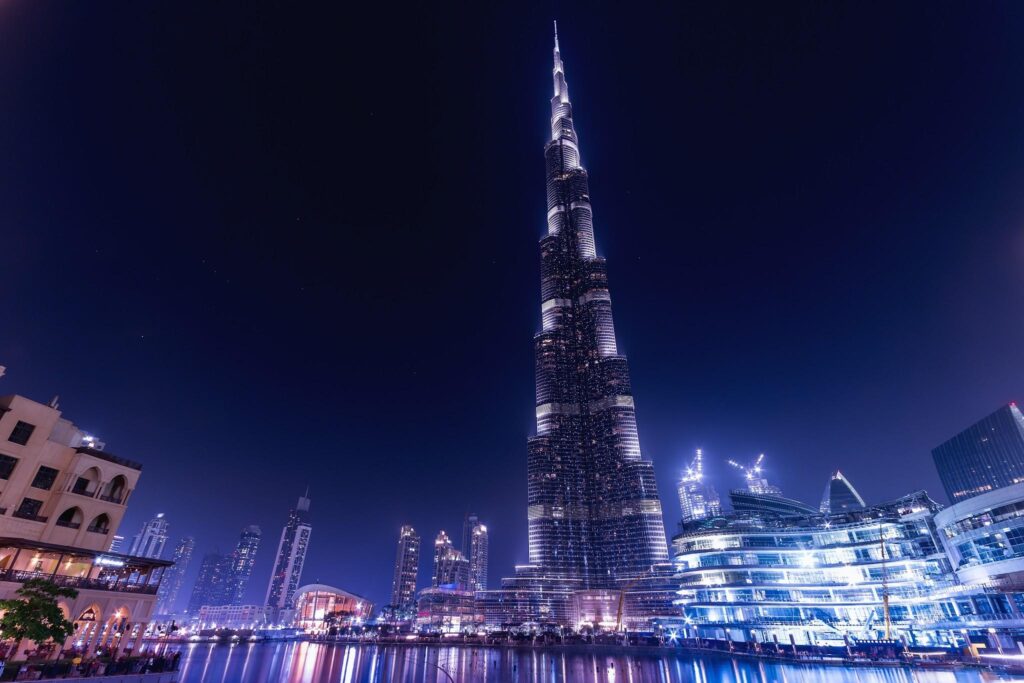
- 145 exclusive residences in the world’s tallest building
- Studios to 4-bedroom units: AED 8-50 million
- Armani/Casa designed interiors throughout
- Occupancy rate: 98% (extremely limited availability)
Bugatti Residences – Business Bay:
- 182 Riviera-inspired units with automotive design
- 2-4 bedroom residences: AED 19-45 million
- Launch 2025, delivery 2027
- Unique features: Private car elevator to the penthouse
4.4 Emirates Hills – Dubai’s Beverly Hills
Emirates Hills represents Dubai’s most exclusive gated community, comparable to Beverly Hills and featuring a 36-hole golf course.
Market Overview:
- Average villa price: AED 25-35 million
- Ultra-prime estates: AED 75-150 million+
- Plot sizes: 12,000-50,000+ square feet
- Architecture: Contemporary Mediterranean and modern designs
- Resident profile: Billionaires, C-suite executives, royal families
- Appreciation: 8-12% annually (last 5 years)
5. MARKET PERFORMANCE & DEVELOPMENT PIPELINE
5.1 2025 Market Performance
Dubai’s real estate market achieved record-breaking performance in the first half of 2025:
Transaction Volume:
- Total sales value: AED 559.4 billion (H1 2025)
- Number of transactions: 97,325 deals
- Average transaction size: AED 5.75 million
- Year-over-year growth: 23.4%
New Launches:
- Units launched: 87,900 residential units (H1 2025)
- Number of projects: 300+ new developments
- Total project value: AED 285 billion
- Luxury segment share: 38% of new launches
5.2 Development Pipeline 2025-2040
To accommodate population growth from 3.3 million to 5.8 million, Dubai requires 505,000-600,000 new residential units through 2040.
Delivery Timeline:
2025-2030 (Phase 1):
- Total units: 350,000-420,000
- Annual average: 60,000-70,000 units
- Focus: Mid-market and affordable luxury
- Key areas: Dubai South, Dubai Creek Harbour, Mohammed Bin Rashid City
2031-2035 (Phase 2):
- Total units: 100,000-120,000
- Focus: Ultra-luxury and branded residences
- Key areas: Palm Jebel Ali, Bluewaters expansion, new waterfront developments
2036-2040 (Phase 3):
- Total units: 55,000-60,000
- Focus: Smart city integrations, sustainable communities
- Innovation: AI-powered buildings, carbon-neutral developments
6. INFRASTRUCTURE & CONNECTIVITY
6.1 Dubai Metro Blue Line
The AED 20.5 billion Dubai Metro Blue Line represents a transformative infrastructure investment, directly enhancing property values and accessibility.
Project Specifications:
- Total length: 30 kilometers
- Underground: 15.5 km
- Elevated: 14.5 km
- Stations: 14 (including 3 interchange stations)
- Expected daily ridership (2030): 200,000 passengers
- Projected ridership (2040): 320,000 passengers
- Launch date: September 9, 2029
- Capacity: 56,000 passengers per hour
Economic Impact:
- Property value appreciation near stations: 20-25%
- Traffic congestion reduction: 20% on served routes
- Economic multiplier: AED 2.60 benefit per AED 1 invested
- Job creation: 125,000+ direct and indirect jobs
- Green building certification: Platinum LEED status
6.2 20-Minute City Concept
The master plan implements a 20-minute city concept, ensuring residents can access daily needs within 20 minutes using sustainable transport:
- Integrated service centers throughout five urban hubs
- Cycling and pedestrian-friendly infrastructure
- Electric vehicle charging network expansion
- Smart public transport integration
- Reduced car dependency by 35% by 2040
7. INVESTMENT ADVANTAGES
7.1 Financial Benefits
Dubai offers unparalleled investment advantages combining capital appreciation, rental yields, and tax benefits:
Capital Appreciation:
- Prime locations: 15-18% annual total returns
- Luxury villas: 17.81% appreciation (2024)
- Luxury apartments: 15.22% appreciation (2024)
- Mid-market: 12-14% annual growth
- Off-plan premium discount: 15-25% below market value
Rental Yields:
- Luxury properties: 5.5-7.2% annually
- Mid-market apartments: 7-9% annually
- Commercial real estate: 8-10% annually
- Short-term rental premium: Additional 20-30% yield
Tax Advantages:
- Zero personal income tax
- Zero capital gains tax
- Zero property tax on residential real estate
- Zero inheritance tax
- 100% repatriation of capital and profits
- Golden Visa eligibility (AED 2M+ investment)
7.2 Strategic Location Benefits
Prime Investment Zones:
1. Palm Jumeirah/Billionaires’ Row
– Ultra-luxury positioning
– Limited supply driving scarcity value
– International prestige address
2. Dubai Creek Harbour
– 6 square kilometers mega-development
– Dubai Creek Tower (future world’s tallest)
– Waterfront living at competitive pricing
3. Business Bay/DIFC
– Financial district proximity
– High rental demand from professionals
– Proven appreciation track record
4. Mohammed Bin Rashid City
– Master-planned community
– Green spaces and lifestyle amenities
– Family-oriented with strong rental demand
8. END-USER BENEFITS
8.1 Quality of Life Enhancements
The Dubai 2040 master plan prioritizes resident wellbeing through comprehensive lifestyle improvements:
Green Spaces & Recreation:
- 105% increase in parks and recreational areas
- 60% of the emirate is preserved as nature reserves
- 400+ kilometers of cycling and walking tracks
- Beach access expansion: An Additional 45 km of public beachfront
- Community parks within 800m of all residences
Education & Healthcare:
- International schools expansion: 180+ schools by 2030
- Healthcare facilities: 20-minute access for all residents
- University campuses integrated into urban centers
- Smart health monitoring infrastructure
8.2 Accessibility & Connectivity
- Metro network expansion to 131 km (78 stations)
- Public transport accessibility: 90% of residents within 800m
- Smart city infrastructure with IoT integration
- Fiber optic connectivity: 100% coverage
- 5G network: Comprehensive emirate-wide deployment
8.3 Affordability Programs
- National Housing Policy: AED 65 billion allocated
- Citizen housing developments with long-term financing
- Affordable luxury segment: AED 800K-2M price range
- Flexible payment plans: 60-40, 70-30 structures are common
- Developer incentives for first-time buyers
9. MARKET OUTLOOK & PROJECTIONS
9.1 Growth Projections Through 2040
Luxury Segment Forecast:
- Ultra-luxury (AED 10M+): 12-15% annual appreciation
- Branded residences: 30-40% premium sustainability
- Waterfront properties: Supply-constrained driving values
- Prime land scarcity creates long-term value
Mid-Market Segment:
- Steady 8-12% annual growth
- Strong rental demand from the expanding professional class
- Balanced supply-demand through 2030
- Post-2030: Potential undersupply driving acceleration
9.2 Risk Factors & Mitigation
Market Risks:
- Oversupply in certain mid-market segments
- Global economic downturns are impacting foreign investment
- Interest rate fluctuations affect financing
- Geopolitical regional factors
Mitigation Strategies:
- Focus on prime locations with limited supply
- Diversification across property types
- Long-term hold strategy (5-10 years)
- Partner with established developers
- Emphasize branded and unique propositions
9.3 Investment Thesis Summary
Dubai’s real estate market presents a compelling investment opportunity driven by:
- Structural Growth: Population doubling creates sustained demand
- Wealth Migration: Record HNWI influx (9,800 annually)
- Infrastructure: AED 20.5B+ government investment
- Tax Benefits: Zero income, capital gains, and property tax
- Luxury Leadership: Global #1 for ultra-luxury transactions
- Proven Appreciation: 15-18% annual returns in prime locations
- Rental Yields: 5.5-9% providing cash flow
- Lifestyle Quality: World-class amenities and connectivity
CONCLUSION
Dubai’s 2040 Urban Master Plan creates an unprecedented convergence of factors that position the emirate as the premier global destination for real estate investment. The combination of strategic government planning, record-breaking millionaire migration, world-class infrastructure development, and proven market performance creates compelling opportunities across all segments.
For investors, the market offers 15-18% annual returns in prime locations, combined with 5.5-9% rental yields and comprehensive tax advantages. The ultra-luxury segment, driven by 9,800 annual HNWI arrivals bringing AED 231 billion in capital, demonstrates sustained demand for premium properties in locations like Billionaires’ Row, Emirates Hills, and branded residences.
For end-users, the master plan delivers enhanced quality of life through 105% expansion of green spaces, comprehensive public transport (131 km metro network), and the innovative 20-minute city concept ensuring accessibility to all daily needs.
The development pipeline of 505,000-600,000 units through 2040, aligned with population growth to 5.8 million residents, demonstrates balanced supply-demand dynamics with strategic emphasis on luxury and ultra-luxury segments where demand significantly exceeds supply.
Dubai 2040 is not merely an urban development plan—it represents a comprehensive vision for creating the world’s best city to live in, work, and invest. The convergence of visionary leadership, strategic execution, and global appeal positions Dubai’s real estate market for sustained long-term growth through 2040 and beyond.
