Crisis Tested, Stability Proven: Dubai & Abu Dhabi’s Safe-Haven Status in a Shifting Gulf

- March 21, 2026
- 11
- Real Estate

Just before dawn on June 22, Gulf airspace was momentarily silenced. Iran’s missile attacks near Al Udeid Air Base in Qatar, followed by U.S. retaliatory strikes, sent ripples across the region. Dubai and Abu Dhabi cities famed for luxury, ambition, and above all, safety faced the sharpest geopolitical stress test in recent memory.
For a few tense hours, flight paths shifted, terminals paused, and screens flashed red. But by sunrise on June 23, the UAE was humming again. Markets reopened. Offices resumed. Trade routes recalibrated. And so, the world’s watchful eye turned to a familiar question: Can the UAE remain the Middle East’s last true safe haven?
The answer, once again, appears to be yes with caveats.
A Flash of Fear, Then Rapid Recovery
Airspace Closure and Airline Response
As the region braced for escalation, the UAE took swift precautionary action:
- Airspace was closed for approximately six hours, disrupting dozens of inbound and outbound flights.
- Emirates suspended all flights to Iran and Iraq through June 30.
- Etihad halted service to Tel Aviv until July 15.
- Rerouted Gulf air traffic caused temporary delays across Qatar, Bahrain, and the UAE.
Yet by June 23, traffic had normalized. Airports reactivated without incident. And unlike past crises, there was no wave of outbound expatriate movement a powerful marker of public trust.

Market Impact: A Blip, not a Crash
Financial markets absorbed the shock with discipline. The Dubai Financial Market Index (DFM) dropped 2.2% upon the news of U.S. strikes but recovered within 48 hours as ceasefire talks materialized.
DFM Index Performance (June 20–25)
(Data estimated based on Bloomberg trends)
| Date | DFM Closing Value |
| June 20 | 3,550 points |
| June 22 | 3,473 points (−2.2%) |
| June 25 | 3,560 points (full recovery) |
Investors both regional and international signalled confidence. The bond market remained stable. Property indices showed no shift in trend. It was, in short, a stress test the UAE passed with minimal bruising.
Economic Fundamentals Stay Resilient
According to Bloomberg’s macro tracking, the core indicators that matter most non-oil GDP, tourism, logistics, and consumer sentiment showed no material deterioration.
| Metric | June 15 (Pre-Crisis) | June 25 (post-Crisis) |
| Non-Oil GDP Forecast (2025) | 4.2% | 4.1% |
| Dubai Hotel Occupancy Rate | 82% | 80% |
| Port Throughput (Jebel Ali) | 5.8M TEU (est.) | 5.7M TEU (revised) |
Short-term softness was visible, especially in air travel, but analysts forecast a full rebound in July if regional peace holds.
Why the UAE Withstands the Shock
1. Diplomatic Dualism
The UAE walks a tightrope of relationships maintaining diplomatic and economic ties with the U.S., Israel, Iran, Russia, and China. This broad alliance network acts as geopolitical Armor, allowing it to distance itself from direct conflict without losing regional influence.
2. Hypermodern Infrastructure
With state-of-the-art ports, roads, and telecom systems, Dubai and Abu Dhabi were able to reroute flights, logistics, and financial services in real time. The Emirates’ deep investment in smart infrastructure is no longer just a branding exercise it’s a buffer against chaos.
3. Institutional Agility
Government crisis units and corporate contingency plans were activated immediately. Coordinated messaging from the Ministry of Economy, GCAA, and Emirates Group ensured there was no panic. The machine worked.
What Keeps Risk Alive
Despite this recovery, the situation remains fluid. Analysts warn that stability is conditional on three external variables:
- The Fragile Iran–Israel Ceasefire
While talks have reduced tensions for now, both nations continue to accuse each other of violating the truce. A single misstep could restart escalation.
- Strait of Hormuz Vulnerability
Though unaffected in this round, the world’s most critical oil chokepoint remains exposed. Any naval engagement here could halt 20% of global oil flow and hit UAE’s export lifeline hard.
- Expatriate Confidence
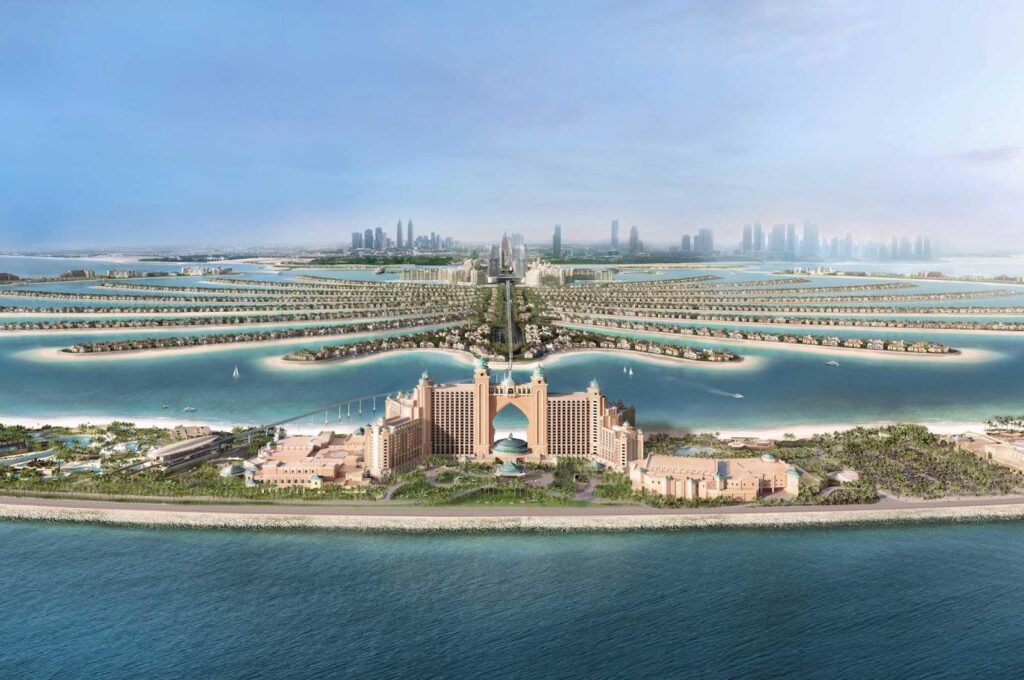
While residents did not flee, missile alert systems and airline disruptions have introduced a new psychological layer. Some international schools reported upticks in early withdrawals, and luxury rental inquiries dipped slightly in Jumeirah and Palm Jumeirah for the week of June 22.
Gulf Market Outlook: Steady With Caution
| Sector | Short-Term Impact | Long-Term Outlook |
| Real Estate (Luxury) | Minimal | Stable |
| Stock Markets | Rebounded | Positive if truce holds |
| Tourism (July bookings) | −4% | Recovery expected by mid-July |
| Oil & Energy | Stable | Watch for Hormuz disruptions |
The consensus among institutional investors: Dubai remains investible, but attention must be paid to geopolitical tail risk.
Conclusion: Stability is Earned, Not Assumed
In a region too often defined by volatility, the UAE remains the exception. But that exceptionalism isn’t accidental it’s engineered. It comes from diplomatic finesse, regulatory transparency, and infrastructure built not just for luxury, but for resilience.
Dubai and Abu Dhabi may have just passed their most serious stress test in years. The world was watching and now, so are the investors, once again circling this oasis in the sand.