Naïa Island Dubai Sets a New Paradigm in Ultra-Luxury Living

Naïa Island Dubai Sets a New Paradigm in Ultra-Luxury Living

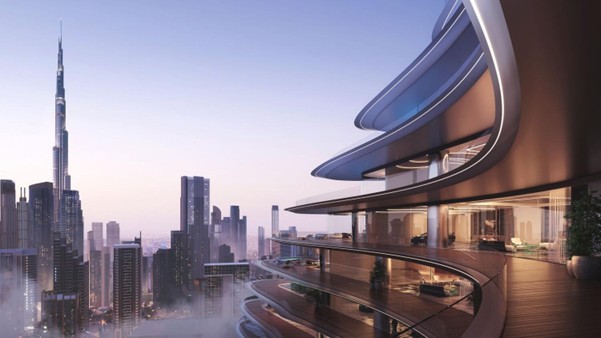
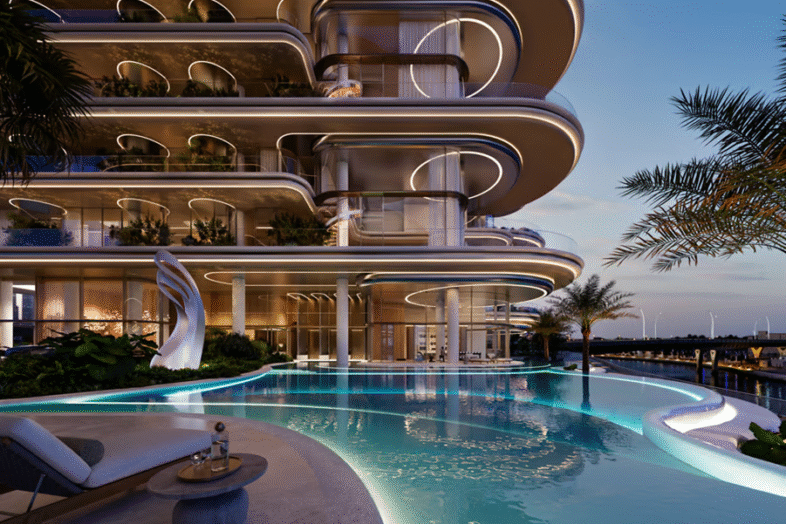
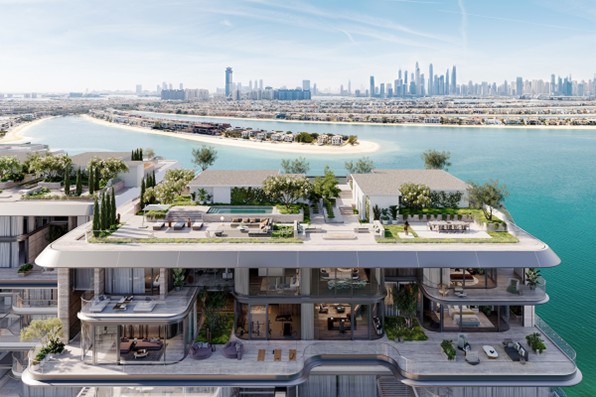
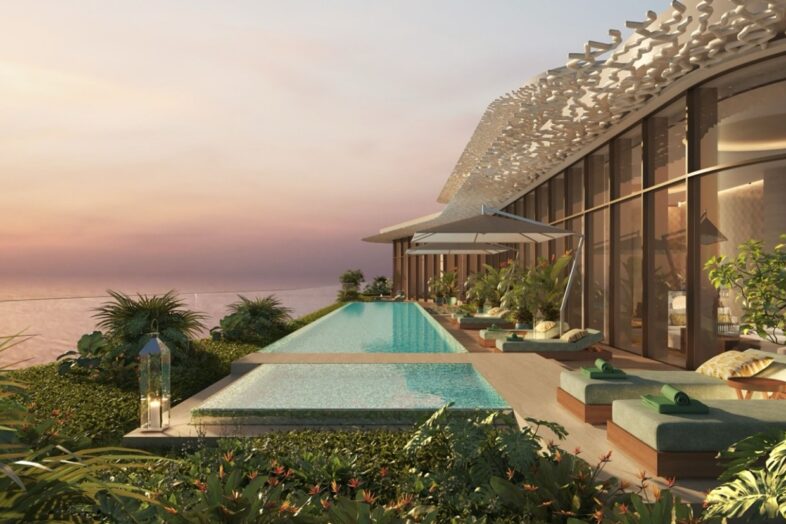
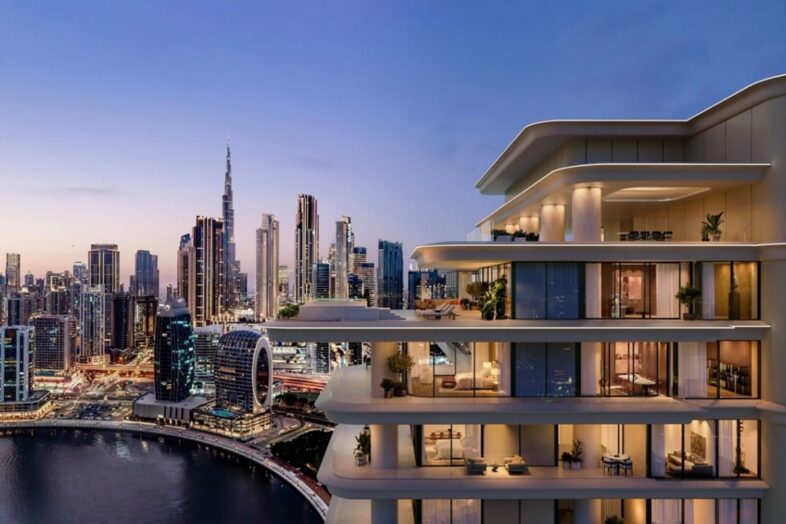
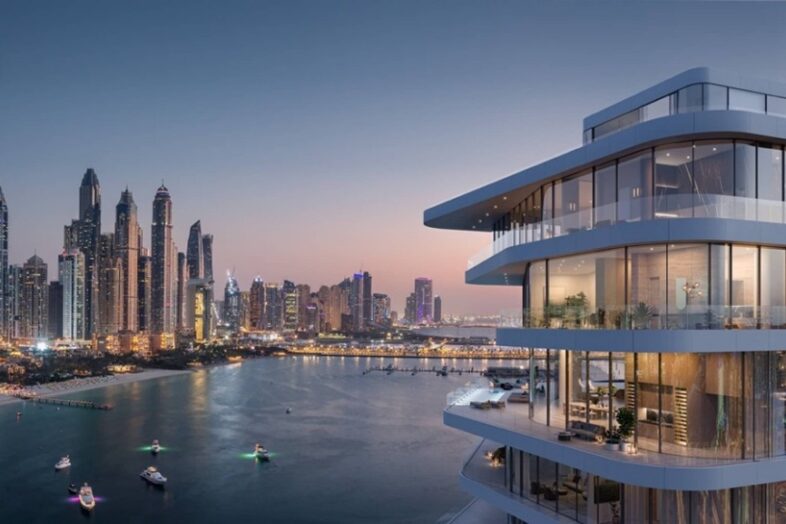
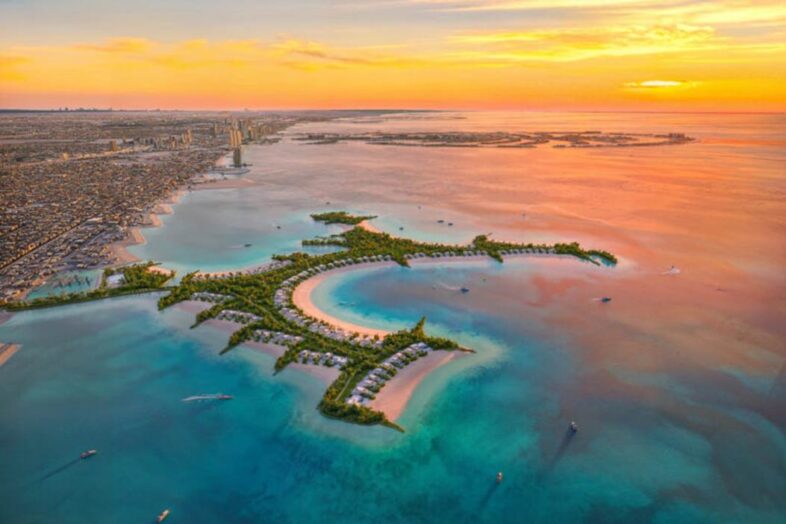
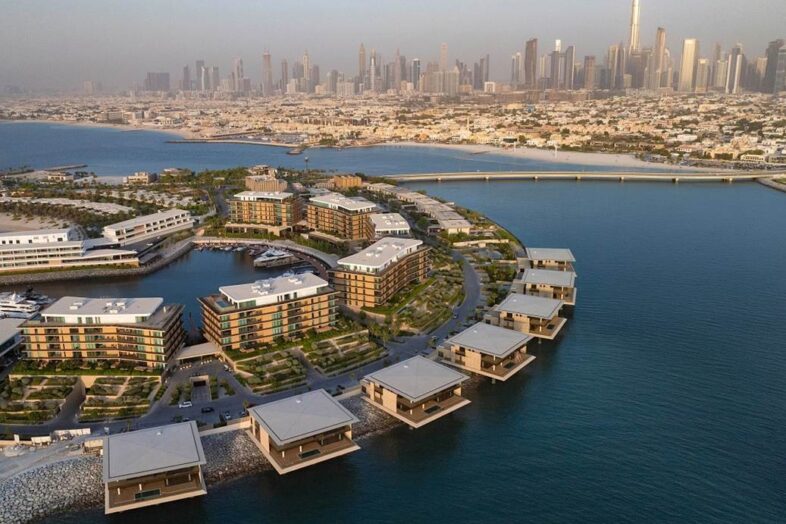
By Kiana Jehangir A bold advancement in design-led hospitality, Naïa Island Dubai promises a legacy-defining address—where nature, privacy, and world-class luxury converge seamlessly. Crafted by Shamal Holding in collaboration with Cheval Blanc, this masterfully conceived private island estate marks Dubai’s next milestone in elevated coastal living. Table of Contents 1. A Visionary Collaboration Shamal Holding, a renowned Dubai-based investment firm, has unveiled Naïa Island Dubai, a private island meticulously crafted to elevate ultra-luxury living. The project features the Middle East’s first Cheval Blanc Maison, offering a curated collection of suites, serene villas, and branded beachfront residences. This collaboration reflects a shared ambition: to create more than just residences—but a living legacy that resonates with emotion and refinement.  2. Designing for Harmony: Architecture Meets Nature Located just off Jumeirah’s iconic shoreline with seamless road access, the island has been carefully shaped around green vistas and the natural coastal landscape. Its low-lying architecture frames breathtaking views of the Arabian Gulf and Dubai’s skyline, offering residents a strong connection to both city and sea.  Naïa Island’s design prioritizes tranquillity: open green corridors, elegant beachfront terraces, and subtle landscaping create an immersive sense of place in a lush, sustainable setting.  3. Unmatched Privileges & Amenities From the outset, Naïa Island promises exclusivity through carefully curated experiences: CEO Abdulla Binhabtoor highlights the development as “an enduring address… one that invites presence and lives beautifully over time,” capturing the project’s aspirational spirit.  4. Why It Matters: Market Context & Insights Dubai has a storied history of iconic islands—from Palm Jumeirah to Bluewaters—and Naïa Island promises to outshine them by shifting away from high-rise luxury to meaningful, immersive exclusivity.  This evolution aligns with market trends favoring experiential, legacy-driven real estate, positioning Naïa Island as a standout asset in Dubai’s ultra-luxury landscape.  5. What’s Next for Naïa Island Timeline Next Steps Late 2025 Private viewings and reservation windows open.  By 2029 Completion and debut of Cheval Blanc maison and residences.  Ongoing Continuous integration of wellness, design, and premium service experiences tailored to discerning global residents. In Summary Naïa Island Dubai is not just another development—it’s the embodiment of elevated, placemaking luxury. With its low-rise aesthetic, partnership with Cheval Blanc, and focus on tranquil exclusivity, it redefines what it means to live—and thrive—in Dubai’s ultra-luxury real estate scene.
Inside Jumeirah Bay Island: Dubai’s Billionaire Enclave

Inside Jumeirah Bay Island: Dubai’s Billionaire Enclave

By Kiana Jehangir Experience unmatched exclusivity on Dubai’s most prestigious island, where privacy meets panoramic beauty. Jumeirah Bay Island has swiftly emerged as one of Dubai’s most coveted addresses, a rare blend of ultra-luxury living, pristine coastal scenery, and unmatched investment potential. Connected to the mainland by a single bridge, the island offers an unrivalled sense of seclusion—yet remains just minutes away from the city’s dynamic lifestyle hubs. The Lifestyle: A World Apart This 6-million-square-foot seahorse-shaped island is a curated haven for the ultra-rich. Home to bespoke beachfront villas, limited-edition mansions, and the Bulgari Resort & Residences, every property here is designed with architectural excellence and premium privacy in mind. Residents enjoy direct beach access, yacht berths, and world-class dining—often without leaving the island. With private gardens, infinity pools, and sweeping views of the Arabian Gulf, Jumeirah Bay offers a level of everyday living that is as tranquil as it is opulent. Record-Breaking Transactions In recent years, Jumeirah Bay has consistently set Dubai’s top property price benchmarks. Signature plots have sold for over AED 125 million, while custom-built waterfront estates have achieved transaction prices exceeding AED 150 million. High-net-worth buyers from Europe, North America, and the Middle East dominate the demand, many purchasing as part of a global portfolio of trophy assets. Investment Potential Jumeirah Bay Island’s scarcity factor drives its long-term investment appeal. With a strictly limited number of plots and stringent design guidelines, resale opportunities are rare—making capital appreciation highly likely. Rental yields, though secondary to most buyers’ goals, remain among the strongest in the ultra-prime market due to consistent demand from high-profile tenants. Why the Ultra-Wealthy Choose Jumeirah Bay Our Services on Jumeirah Bay Island Luxury Home Buying: We connect clients to exclusive, often off-market, opportunities on the island. Luxury Home Selling: Bespoke marketing strategies to position properties for record-breaking results. Investment Advisory: Data-driven insights for acquiring and holding high-value assets. Property Management: Full-service oversight to maintain and enhance asset value. Benefits of Working with Us About Us At The Noble House, we specialize in Dubai’s most prestigious real estate, offering expertise, discretion, and access to properties that define true luxury living. Our team ensures that your Jumeirah Bay investment journey is as exceptional as the homes themselves.

Dubai Commercial Real Estate Surges as Office Sales Jump 93% in Q2 2025

Dubai Commercial Real Estate Surges as Office Sales Jump 93% in Q2 2025

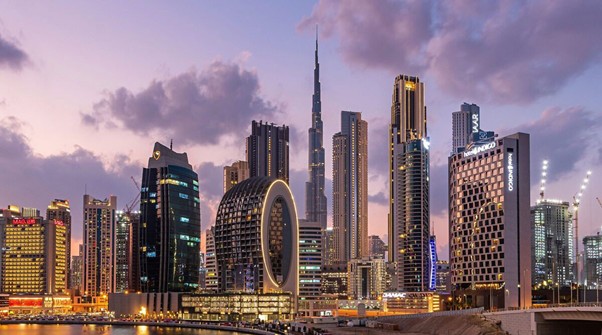
By Kiana Jehangir Dubai’s commercial property sector continues to show remarkable growth, with the office segment leading the charge in the second quarter of 2025. The city’s evolving business landscape, combined with a steady influx of foreign investment and strong demand for high-quality commercial spaces, has propelled the market to new heights. Market Performance: A Record Quarter for Office Sales Dubai’s commercial property market recorded AED 31 billion ($8.44 billion) in transactions during Q2 2025—a 50% year-on-year increase compared to Q2 2024. This impressive growth reflects heightened investor confidence, fueled by premium off-plan developments and expanding opportunities in the office and industrial sectors. The office segment stood out as a top performer, achieving a 93% jump in sales value, totaling AED 2.62 billion. Transaction volume also grew significantly, with 965 office units sold, marking a 26% increase from the same period last year. This momentum highlights a shift in demand towards ownership over leasing, driven by: Hotspots for Office Investment While Business Bay and Jumeirah Lake Towers (JLT) continue to dominate sales activity, emerging zones like Motor City, Barsha Heights, and Majan are gaining traction. These decentralized locations are attracting buyers with flexible layouts, competitive pricing, and proximity to new residential hubs, creating fresh opportunities outside the city’s traditional commercial centers. Off-Plan Commercial Deals on the Rise A notable trend in Q2 is the surge in off-plan office sales, reflecting Dubai’s push towards state-of-the-art workspacesdesigned for tomorrow’s businesses. Developers like Omniyat are setting new benchmarks with projects such as Lumena Tower in Business Bay, offering cutting-edge design, sustainable infrastructure, and advanced amenities to meet evolving corporate needs. With 680,000 sqm of new office space expected to be delivered by 2027, off-plan investment continues to gain popularity, allowing buyers to secure premium locations before completion. Price Growth Outpaces Expectations Secondary office sales have experienced a sharp 22% increase year-on-year, reaching an average of AED 1,724 per square foot. This marks a strong recovery from the market’s 2020 low of AED 761 per sq. ft., highlighting renewed demand for established office spaces despite limited supply. Warehouse assets also saw remarkable growth, with average sale prices hitting AED 22.2 million, up 107% from last year, driven by high demand from logistics, manufacturing, and e-commerce operators seeking scalable, strategically located facilities. Leasing Market Gains Momentum Leasing activity mirrored the sales boom, with a 30% quarter-on-quarter increase in deals across offices, retail, and warehouse sectors. Average leasing prices rose significantly, particularly for larger, fitted, and prime office units, as businesses upgraded their premises to match evolving workplace needs. This uptick underscores Dubai’s position as a regional business hub, attracting both global corporations and fast-growing local enterprises. Outlook: A New Era for Commercial Real Estate With strong investor sentiment, sustained demand for Grade A offices, and substantial new supply set to enter the market by 2027, Dubai’s commercial property sector is poised for continued growth. The combination of rising prices, increased off-plan activity, and expanding leasing demand makes Q3 and beyond a promising period for investors seeking opportunities in Dubai’s thriving office market.

Dubai Property Market: Is It Time for Smart Bargain Hunting?

Dubai Property Market: Is It Time for Smart Bargain Hunting?

By Kiana Jehangir For the past two years, Dubai’s real estate market has been defined by surging demand, rising prices, and record-breaking transaction volumes. But as mid-2025 unfolds, subtle shifts in market dynamics are giving a new wave of buyers reason to pause—and potentially, to pounce. A Global Shift in Property Pricing Across international real estate markets, rising interest rates and growing inventory levels are starting to change the narrative. Once dominated by relentless price growth and limited supply, several regions—including parts of the U.S.—are now reporting annual price declines and more buyer-friendly conditions. Developers are responding with incentives such as price discounts, flexible payment plans, and “buy now, pay later” offers to entice cautious investors. This begs the question: Is Dubai’s property market moving in the same direction? Mild Corrections and Emerging Incentives While Dubai remains one of the world’s most resilient property markets, there are early signs of price moderation in certain communities and off-plan projects. Although analysts describe these adjustments as “healthy corrections” for long-term stability, investors are starting to notice incentive-driven opportunities hidden in plain sight. Developers in mid-market areas such as Jumeirah Village Circle, Arjan, Liwan, Dubai South, and Sports City are increasingly offering: These offerings are not yet reflected in overall market indices, meaning savvy buyers may secure attractive terms before the data shows a clear downturn. Global Markets, Local Impact Property markets worldwide have become more closely interconnected in the post-pandemic era. Factors such as monetary policy shifts, inflation, and investor sentiment ripple across borders, influencing demand patterns from New York to Dubai. While Dubai’s fundamentals remain strong—with population growth, foreign investment inflows, and prime neighborhood demand at all-time highs—the mid-tier segment is experiencing selective softening, particularly in high-density off-plan developments. Is This the Moment for Bargain Hunters? For investors who have been waiting for a window of opportunity, the current market offers: Timing is critical. As history has shown, the best deals are often gone by the time official data confirms the trend. For discerning buyers, this could be the beginning of a short-lived bargain hunting season in Dubai real estate.

Dubai Real Estate Market Review – July 29, 2025

Dubai Real Estate Market Review – July 29, 2025

By Kiana Jehangir Dubai’s property market continues to deliver exceptional growth in 2025, fueled by a surge in investor confidence, strong global demand, and a robust regulatory environment that cements the UAE’s position as a leading real estate destination. From record-breaking broker commissions to an impressive uptick in office sales, the first half of the year has set new benchmarks for the sector. A Record-Breaking Start to 2025 Dubai’s real estate brokers have had a phenomenal first six months of 2025, generating nearly AED 3.23 billion ($880 million) in commissions—a near doubling compared to the same period last year. A total of 42,181 property transactions were executed, highlighting the strength and depth of the city’s market across both residential and commercial sectors. Investor confidence remains high, bolstered by Dubai’s consistent policy support, innovative property offerings, and its growing reputation as one of the safest and most stable investment environments globally. Commercial Property Sales Surge The commercial real estate market has been one of the biggest success stories of 2025 so far. Sales soared to AED 31 billion ($8.44 billion) in Q2 alone, marking a 50% year-on-year increase. Offices led the charge, with a 93% rise in transactions and average prices jumping 22% to AED 1,724 per square foot. Warehouse prices also doubled over the same period, reflecting the ongoing demand for industrial and logistics spaces as Dubai continues to expand its global trade footprint. Leasing activity remained strong across office, retail, and industrial segments, signaling a healthy, diversified commercial market. The “Safety Premium” Driving Global Capital The UAE’s recent designation as the world’s safest country in mid-2025 has had a measurable impact on property demand. Dubai recorded AED 431 billion in transactions during H1 2025, a 25% year-on-year increase, supported by 59,000 new investors entering the market. Global families and institutional investors are increasingly drawn to Dubai, where security, regulatory transparency, and quality of life form a powerful value proposition. This “safety premium” is boosting interest in high-end residential and commercial assets across the emirates. Daily Transactions Snapshot – July 28, 2025 The market’s vitality is evident even on a micro-level. On July 28, 2025, Dubai recorded AED 2.58 billion in property sales: Flats accounted for the majority of both off-plan and ready sales, while villas showed strong demand in the ready segment. Commercial and hospitality assets made up just over 10% of ready sales, indicating selective but steady interest in income-generating properties. Ultra-Luxury Market Remains Unshaken Demand for ultra-luxury homes priced above AED 15 million remains robust, with 1,417 deals in Q2 alone, marking a 67% quarterly and 113% yearly increase. Prime neighborhoods such as Palm Jumeirah, MBR City, and Dubai Hills Estate continue to lead the charge, fueled by ultra-high-net-worth buyers seeking rare, trophy properties. Outlook: Momentum Set to Continue Dubai’s property market shows no signs of slowing. With over 70% of sales still driven by off-plan developments, developers enjoy strong pre-completion liquidity, though timely delivery will be key to sustaining long-term confidence. The combination of a safe investment climate, attractive yields, and a thriving luxury segment positions Dubai as one of the most compelling real estate markets globally for H2 2025 and beyond.

Dubai's real estate market hits a record high of $89 billion in the first half of 2025.

Dubai’s real estate market hits a record high of $89 billion in the first half of 2025.

By Kiana Jehangir According to data from fäm Properties, Dubai’s real estate market broke all prior records in the first half of 2025, with total property sales reaching an incredible AED 326.7 billion ($88.2 billion). This is a 40% rise from the same time last year, thanks to a record-breaking second quarter when both the number and value of transactions reached new highs. A Quarter to Remember There were 53,118 property transactions in Q2 2025 alone, which brought in AED 184 billion ($50.1 billion). This made it the busiest quarter in Dubai’s real estate history. This is a 25% rise in value from the previous peak in Q4 2024 and a 5.4% increase in the number of agreements. Sales in the second quarter of 2025: The average price of a home is now AED 1,607 ($435) per square foot, which is 67% more than it was in 2021. The communities and projects that sold the most in Q2 2025 by number of transactions: By Total Value: With only 844 transactions, Me’Aisem Second is at the top of the list with AED 14.94bn ($4.1bn). The mansion on Palm Jumeirah that sold for AED 365 million ($99.3 million) and the flat at Peninsula Dubai Residences Tower 1 that sold for AED 170 million ($46.3 million) were the most expensive deals of the quarter. Trends in Buyers: Affordability and Investment The AED 1–2 million ($272K–$544K) area was where most buyers made their purchases. This category made up 32% of all deals. Next were homes that cost less than AED 1 million, which made up 26% of sales. Price Range Breakdown: The first-time sales from developers made up 66% of all sales, while the resale market made up 34%. The best-selling projects of the second quarter of 2025 were the First Sale Apartments: Binghatti Elite and Sobha Solis had the same number of units (712), however Sobha Solis had the most value at AED 881.1 million. The top five were Sobha Orbis, Binghatti Skyrise, and Timez by Danube. Al Yelayiss 1: 2,227 units | AED 7.2bn DIP Second: 866 units | AED 6.5bn Me’Aisem Second: 832 units | AED 14.8bn (highest in value) Azizi Riviera had the most sales (317), but Canal Front Residences had the most value at AED 537.1 million. Al Yelayiss 1 had the most sales (600) and the most value (AED 1.7bn), suggesting that investors still trust the area. A Global Investment Beacon Dubai is becoming a top global real estate destination since prices are going up gradually and demand from other countries is expanding. Firas Al Msaddi, CEO of fäm Properties, remarked, “These numbers show once again how strong and stable Dubai’s real estate market is.” “Dubai’s steady growth over the years makes it an even better place to invest in real estate.”

Surging Rents & Prices: A Deep Dive into Dubai & Abu Dhabi’s Property Boom

By Kiana Jehangir | June 26, 2025 1. Price Growth on a Global Scale A 2025 Deutsche Bank report ranks Dubai as the fastest-rising city centre property market globally. Apartment prices in the city have surged by 122% over the past five years, now averaging $7,602 per square metre. This jump propelled Dubai up 15 places to 37th in the global rankings for city centre property values. Abu Dhabi saw a 64% rise over the same period, reaching $5,977 per square metre, while Doha followed closely at $4,944. Table 1 – City Centre Prices per m² City Price (US $) 5‑Year Growth Hong Kong 25,946 –20% Zurich — — Dubai 7,602 +122% Abu Dhabi 5,977 +64% Doha 4,944 — Riyadh 2,664 — 2. Rental Prices: City Centre Sky-High Dubai has become one of the most expensive rental markets in the world. The average rent for a three-bedroom apartment in the city centre is now $4,589 per month—a 49% increase in recent years. Dubai ranks just behind New York ($8,388), Singapore ($6,216), Boston ($6,091), London ($5,560), and San Francisco ($5,424). Abu Dhabi remains more affordable at $3,052 per month. Doha averages $2,946, and Riyadh offers the lowest at $2,047. 3. Affordability & Purchasing Power Despite rising property prices and rents, cities across the Gulf remain among the most affordable globally when comparing housing costs to income. Dubai ranks in the top ten for housing affordability. The average net monthly salary in Dubai is now $4,064, marking a 35.7% increase over the past five years. Salaries in Abu Dhabi average $3,308, while Doha and Riyadh report $3,062 and $2,442 respectively. 4. Quality of Life Rankings Gulf cities continue to rise in global quality of life indexes, with strong scores in safety, healthcare, and cost-adjusted purchasing power. Abu Dhabi ranks 18th globally, Dubai 19th, Doha 23rd, and Riyadh 31st. 5. Underlying Drivers Behind the Boom Population & Demand Dubai’s population expanded by nearly 90,000 in the first quarter of 2025, averaging about 1,000 new residents per day. This rapid growth, against a backdrop of limited supply in prime areas, has pushed both rents and property prices higher. Supply Surge Approximately 110,000 residential units are scheduled for delivery across 2025 and 2026, with 73,200 expected this year and 95,700 next year. However, some developments may face delays. Despite the volume, analysts have noted that the pace of price growth is already slowing 17% in Q1 2025 compared to higher rates in prior quarters. Upcoming Correction Fitch Ratings forecasts a moderate market correction in the second half of 2025, potentially reducing prices by up to 15%. That said, top-tier districts are expected to retain value due to limited availability and sustained demand. 6. What This Means for Tenants & Investors Leasing trends are shifting. Dubai saw a 10–11% quarterly increase in tenants opting for one- or two-cheque rent payments in early 2025, suggesting more long-term leasing stability. Meanwhile, buying may now offer better value than renting in many cases. A Dh3 million villa in The Springs commands annual rent of about Dh150,000–200,000. With a 25-year mortgage at 3.99%, annual repayments stand at approximately Dh151,860—making homeownership financially comparable. 7. Glancing Ahead: Balanced Optimism Although new stock is entering the market, especially in the luxury segment, price corrections are expected to be mild. Buyers are increasingly focused on long-term value and location. Buyer sentiment remains strong in Downtown Dubai, Business Bay, and The Palm, while residents are exploring upgrades or property swaps rather than exiting the market entirely. Visual Snapshot Figure 1: Five-Year Price Rise & Current Rent Levels Conclusion Dubai’s real estate market has entered a new era—defined by rapid growth, global attention, and recalibration. While rents and prices continue to rise, the market is now showing signs of maturation. A moderate correction, if it comes, may present opportunities rather than risks. For both buyers and renters, this is a moment to consider long-term strategy: where you live, how you invest, and what value means in a city that never stops evolving.

Crisis Tested, Stability Proven: Dubai & Abu Dhabi’s Safe-Haven Status in a Shifting Gulf

By Kiana Jehangir | June 26, 2025 Just before dawn on June 22, Gulf airspace was momentarily silenced. Iran’s missile attacks near Al Udeid Air Base in Qatar, followed by U.S. retaliatory strikes, sent ripples across the region. Dubai and Abu Dhabi cities famed for luxury, ambition, and above all, safety faced the sharpest geopolitical stress test in recent memory. For a few tense hours, flight paths shifted, terminals paused, and screens flashed red. But by sunrise on June 23, the UAE was humming again. Markets reopened. Offices resumed. Trade routes recalibrated. And so, the world’s watchful eye turned to a familiar question: Can the UAE remain the Middle East’s last true safe haven? The answer, once again, appears to be yes with caveats. A Flash of Fear, Then Rapid Recovery  Airspace Closure and Airline Response As the region braced for escalation, the UAE took swift precautionary action: Yet by June 23, traffic had normalized. Airports reactivated without incident. And unlike past crises, there was no wave of outbound expatriate movement a powerful marker of public trust. Market Impact: A Blip, not a Crash Financial markets absorbed the shock with discipline. The Dubai Financial Market Index (DFM) dropped 2.2% upon the news of U.S. strikes but recovered within 48 hours as ceasefire talks materialized. DFM Index Performance (June 20–25) (Data estimated based on Bloomberg trends) Date DFM Closing Value June 20 3,550 points June 22 3,473 points (−2.2%) June 25 3,560 points (full recovery) Investors both regional and international signalled confidence. The bond market remained stable. Property indices showed no shift in trend. It was, in short, a stress test the UAE passed with minimal bruising. Economic Fundamentals Stay Resilient According to Bloomberg’s macro tracking, the core indicators that matter most non-oil GDP, tourism, logistics, and consumer sentiment showed no material deterioration. Metric June 15 (Pre-Crisis) June 25 (post-Crisis) Non-Oil GDP Forecast (2025) 4.2% 4.1% Dubai Hotel Occupancy Rate 82% 80% Port Throughput (Jebel Ali) 5.8M TEU (est.) 5.7M TEU (revised) Short-term softness was visible, especially in air travel, but analysts forecast a full rebound in July if regional peace holds. Why the UAE Withstands the Shock 1. Diplomatic Dualism The UAE walks a tightrope of relationships maintaining diplomatic and economic ties with the U.S., Israel, Iran, Russia, and China. This broad alliance network acts as geopolitical Armor, allowing it to distance itself from direct conflict without losing regional influence. 2. Hypermodern Infrastructure With state-of-the-art ports, roads, and telecom systems, Dubai and Abu Dhabi were able to reroute flights, logistics, and financial services in real time. The Emirates’ deep investment in smart infrastructure is no longer just a branding exercise it’s a buffer against chaos. 3. Institutional Agility Government crisis units and corporate contingency plans were activated immediately. Coordinated messaging from the Ministry of Economy, GCAA, and Emirates Group ensured there was no panic. The machine worked. What Keeps Risk Alive Despite this recovery, the situation remains fluid. Analysts warn that stability is conditional on three external variables: While talks have reduced tensions for now, both nations continue to accuse each other of violating the truce. A single misstep could restart escalation. Though unaffected in this round, the world’s most critical oil chokepoint remains exposed. Any naval engagement here could halt 20% of global oil flow and hit UAE’s export lifeline hard. While residents did not flee, missile alert systems and airline disruptions have introduced a new psychological layer. Some international schools reported upticks in early withdrawals, and luxury rental inquiries dipped slightly in Jumeirah and Palm Jumeirah for the week of June 22. Gulf Market Outlook: Steady With Caution Sector Short-Term Impact Long-Term Outlook Real Estate (Luxury) Minimal Stable Stock Markets Rebounded Positive if truce holds Tourism (July bookings) −4% Recovery expected by mid-July Oil & Energy Stable Watch for Hormuz disruptions The consensus among institutional investors: Dubai remains investible, but attention must be paid to geopolitical tail risk. Conclusion: Stability is Earned, Not Assumed In a region too often defined by volatility, the UAE remains the exception. But that exceptionalism isn’t accidental it’s engineered. It comes from diplomatic finesse, regulatory transparency, and infrastructure built not just for luxury, but for resilience. Dubai and Abu Dhabi may have just passed their most serious stress test in years. The world was watching and now, so are the investors, once again circling this oasis in the sand.

Dubai’s Prime Residential Market Shows No Signs of Slowing Down

By Kiana Jehangir Dubai’s luxury residential market is breaking records once again. According to a report published on 24 June 2025 by Consultancy.me, this sector has now seen four consecutive years of growth in both transaction volumes and capital values. Accelerating Sales and Values This explosive growth is fuelled by a strong economy, favourable political governance, tax-free policies, and a surge in homeownership preference among expatriates. Shifting to Ownership and Off-Plan Preference Expatriate tenants are increasingly shifting toward buying larger, premium homes. This trend dramatically drove off-plan property sales in the AED 10M+ segment from 14% in 2020 to 69% in 2024.  Hotspots & Developments Meanwhile, waterfront apartments in Palm Jumeirah, Dubai Harbour, and Downtown Dubai command premium prices—averaging around AED 5,400 per square foot. Future Momentum Looking ahead:  Supply, Demand & Affordability Global Appeal & Risks Outlook Summary Factor Impact Sales & Values Record-breaking, especially in ultra-prime Supply Large-scale delivery underway but may lag demand till ~2028 Investor Confidence Bolstered by affordability, infrastructure, migration policies Risks Living costs and infrastructure strains—not yet cooling high-end prices All in all… Dubai’s prime residential market remains red-hot, driven by wealth migration, off-plan optimism, strategic new developments, and limited global competitors in price-performance. While longer-term supply may help temper growth, for now the market is firmly in expansion mode.

UAE’s Branded Residences Boom: A Multi‑Billion‑Dollar Arms Race

UAE’s Branded Residences Boom: A Multi‑Billion‑Dollar Arms Race

By Kiana Jehangir The UAE is at the forefront of a global surge in branded residences—luxury properties affiliated with international names—where buyers are paying up to 69% premiums per square foot. With a projected doubling of branded residence projects in Dubai by 2029, the emirate is on track to surpass established markets like New York and Miami, while Abu Dhabi and Ras Al Khaimah also experience rapid growth. Dubai Leads the Charge Abu Dhabi’s Rising Appeal Ras Al Khaimah’s Emerging Market Global Growth Driving Local Strategies The Lifestyle-Driven Demand Shift What’s Next for Branded Living in the UAE In summary, the UAE’s branded residence market is undergoing transformative growth. From Dubai’s luxury-backed home offerings to Abu Dhabi’s surge in new launches and Ras Al Khaimah’s arrival on the scene, this is more than a trend—it’s a reshaping of luxury residential real estate. By aligning brand trust, lifestyle excellence, and investment viable returns, branded residences are fast defining the future of high-end property in the region.