Dubai Real Estate in 2026: Why the Market Holds Firm as Global Investors Seek Safe Assets

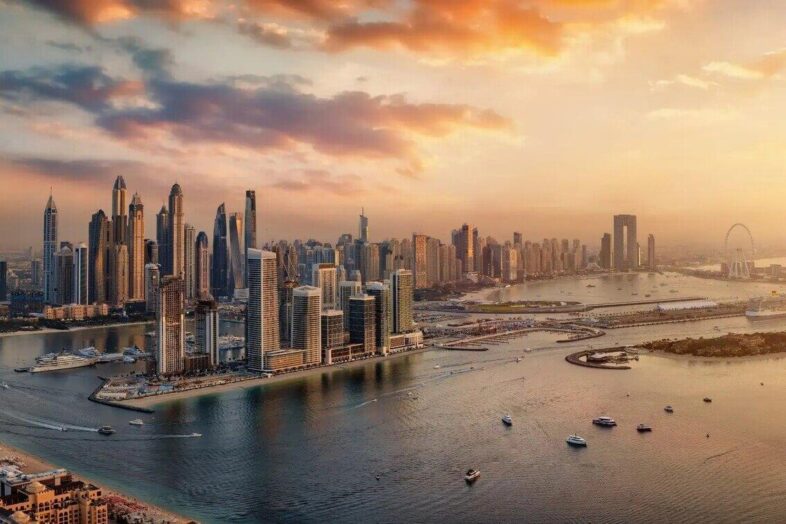
Dubai’s real estate market in 2026 continues to demonstrate resilience despite ongoing geopolitical uncertainty. While global conditions have introduced caution across financial markets, Dubai’s property sector has remained stable, supported by sustained investor demand and strong underlying fundamentals. Recent reporting indicates that rather than retreating, capital is continuing to flow into Dubai — particularly from international investors seeking stable, asset-backed opportunities.  Market Overview: Stability Amid Global Uncertainty Periods of geopolitical tension typically introduce volatility into global investment markets. However, Dubai’s real estate sector has historically exhibited a different pattern. Current observations show: This suggests that market conditions are not deteriorating, but rather adjusting within a stable framework. Safe-Haven Positioning: A Core Driver of Demand Dubai’s appeal as a real estate market is closely linked to its positioning as a safe-haven destination for capital. During periods of uncertainty, investors tend to prioritise: Dubai continues to meet these criteria through: As a result, uncertainty in other regions often reinforces, rather than weakens, Dubai’s attractiveness to global investors.  Historical Performance: Cyclical Resilience Dubai’s real estate market has demonstrated a consistent long-term pattern across previous economic cycles. Historical data indicates: For example: This pattern reinforces the view that Dubai’s property market is cyclical in pace, but upward in trajectory. Changing Buyer Composition: From Speculation to End-Use One of the most notable structural changes in recent years is the shift in buyer composition. Current data shows: This transition contributes to: The Role of Cash Buyers in Market Stability The composition of capital entering the market is also evolving. A growing share of transactions — particularly in the luxury segment — is being completed by cash buyers rather than leveraged investors. Implications include: This shift strengthens the market’s resilience, particularly in prime and ultra-prime segments. Segment Performance: Where Demand Remains Strongest Market resilience is not uniform across all segments. Prime and Ultra-Prime Residential Commercial and Income-Producing Assets Mid-Market Housing This segmentation highlights the importance of asset quality and location in determining performance. Global Capital Flows: Diversified and Selective Dubai’s investor base continues to expand geographically. Recent trends indicate: Institutional and large private investors are also maintaining exposure, focusing on assets that offer: Macroeconomic Context: Stability Beyond Oil While oil prices continue to influence regional sentiment, Dubai’s economy is now largely diversified. Key factors include: This reduces the direct correlation between oil price fluctuations and property market performance, reinforcing long-term stability. Pricing and Market Behaviour in 2026 Despite global uncertainty, there is no evidence of widespread price dislocation. Market indicators show: Short-term caution is present, but it has not translated into: Market Direction: Stability with Increased Selectivity Current conditions suggest that Dubai’s real estate market is entering a phase characterised by: Rather than rapid expansion, the market is showing signs of controlled and sustainable growth. The Noble House Perspective Dubai’s real estate market in 2026 reflects a combination of resilience, diversification, and sustained global demand. The continued inflow of capital during periods of uncertainty indicates that: For market participants, the key focus should remain on: As global conditions evolve, Dubai’s property market continues to demonstrate that stability — rather than short-term momentum — is its defining characteristic.
The Best Areas to Buy Luxury Property in Dubai in 2026: A Structured Market Overview

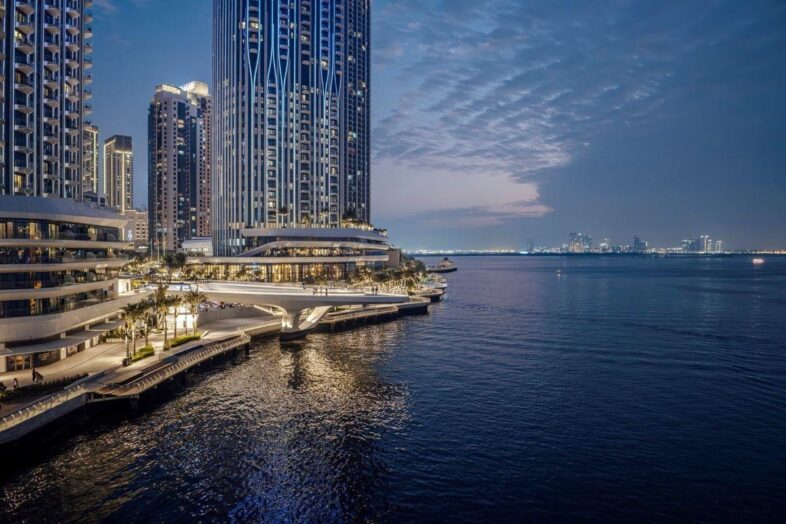
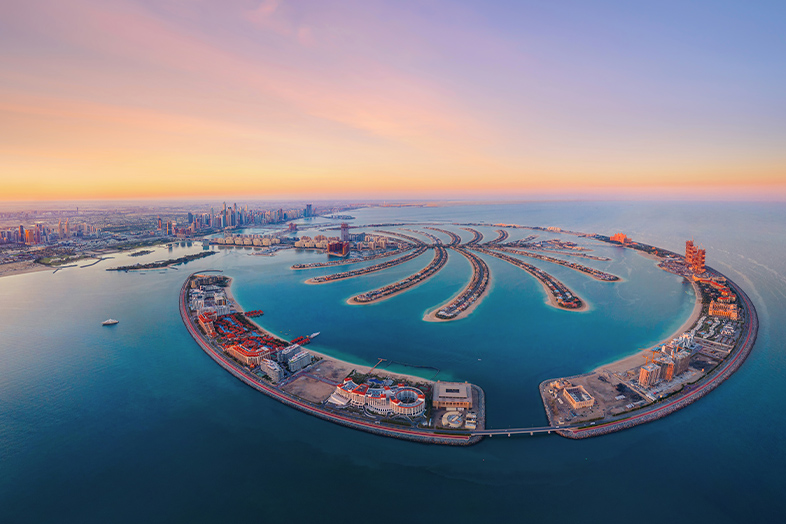
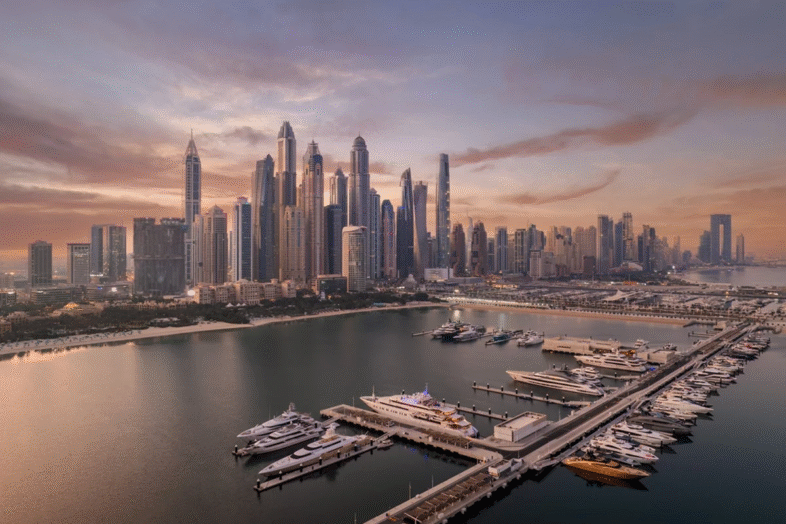
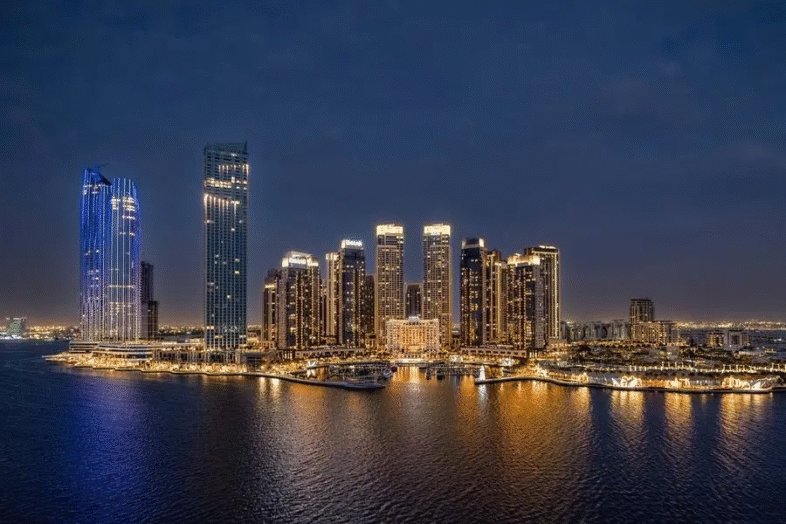
Dubai’s luxury real estate market in 2026 is defined by diversity rather than concentration. Prime property is no longer limited to a single district; instead, it spans multiple environments, each catering to different buyer priorities. The city’s top luxury areas include established waterfront destinations, private villa enclaves, and emerging master-planned communities. These locations combine lifestyle positioning with long-term investment potential, reflecting a market that is both expanding and maturing.  For investors and end-users, selecting the right area requires understanding not only price points, but also the type of demand each district attracts and sustains. The Evolution of Dubai’s Luxury Property Market Dubai’s prime residential segment has entered a phase of measured and structured growth. Key characteristics of the 2026 market include: Luxury property in Dubai is no longer defined solely by price or visibility, but by environment, intent, and use case.  Palm Jumeirah: Global Waterfront Benchmark Palm Jumeirah continues to represent Dubai’s most internationally recognised luxury address. Its defining features include: The area’s value is supported not only by its location, but by its positioning as a globally identifiable asset class within Dubai’s real estate market.  Palm Jumeirah is typically suited to: Emirates Hills: Ultra-Prime Privacy and Long-Term Ownership Emirates Hills represents a different segment of the luxury market — one defined by privacy, space, and architectural individuality. Key characteristics: Unlike more visible locations, Emirates Hills functions as a private residential enclave, where properties are held for extended periods and rarely enter the market.  This area is most relevant for: Dubai Hills Estate: Master-Planned Residential Integration Dubai Hills Estate reflects a more contemporary approach to luxury development. Its appeal is based on: Built around a central park and golf course, the community offers a complete residential ecosystem, rather than a single-use district.  Dubai Hills Estate is typically suited to: Downtown Dubai: High-Density Urban Luxury Downtown Dubai remains the city’s primary urban core for luxury apartments and branded residences. Its positioning is defined by: The area continues to attract buyers seeking immediate access to retail, hospitality, and business districts, reinforcing its liquidity and resilience.  Downtown Dubai is best suited for: Dubai Marina: Liquidity and Rental Performance Dubai Marina remains one of the most active residential districts in the luxury segment. Its key advantages include: While more mature than newer developments, Dubai Marina continues to perform due to its combination of accessibility, density, and waterfront appeal.  This makes it particularly relevant for: Dubai Creek Harbour: Emerging Waterfront Growth Dubai Creek Harbour represents a newer phase of Dubai’s luxury development strategy. Key characteristics: As a developing district, it attracts buyers focused on long-term appreciation rather than immediate maturity.  Dubai Creek Harbour is suited to: A Shift in How “Prime” Is Defined One of the most significant changes in 2026 is the evolving definition of prime real estate. The market is increasingly shaped by contrasts: As a result, the “best” area is no longer universal. It is dependent on buyer intent, time horizon, and use case.  Key Considerations for Buyers When evaluating luxury property in Dubai, buyers should consider: A structured approach is increasingly necessary, as performance varies significantly across districts. The Noble House Perspective Dubai’s luxury real estate market in 2026 reflects a transition toward greater maturity and segmentation. Rather than being defined by a single prime location, the market now offers multiple high-performing districts, each supported by distinct demand drivers. For investors, the focus should remain on: As the definition of luxury continues to evolve, performance will be determined less by visibility and more by fit, function, and fundamentals.

UAE Real Estate in 2026: Record Demand and Project Launches Reinforce Dubai’s Global Position

Dubai’s real estate sector continues to demonstrate sustained strength, supported by record demand levels and a steady pipeline of new project launches. Recent market reporting indicates that March 2026 marked a particularly active period, reflecting both investor confidence and developer momentum across the UAE. Rather than representing short-term activity, these trends point toward a broader structural shift: Dubai’s property market is increasingly positioned as a stable, globally competitive investment environment. Market Performance: Record Demand and Accelerated Activity Recent data highlights a notable surge in both transaction volumes and development activity, with March 2026 emerging as a key milestone period. Key market characteristics include: This level of activity suggests that demand is not isolated to a single segment but is instead distributed across the market, supporting overall stability. Project Launches: Developer Confidence and Market Absorption The increase in new project launches reflects confidence among developers regarding future demand and absorption capacity. In practical terms, sustained launch activity indicates: Developers typically operate on long timelines, and the decision to introduce new inventory is generally based on data-driven assessments rather than short-term sentiment. International Positioning: Strengthening Global Market Status Dubai’s real estate market continues to strengthen its position relative to other global property markets. Several factors contribute to this positioning: These characteristics reinforce Dubai’s status as a globally accessible and investment-friendly market, particularly for non-resident buyers. Demand Drivers: Structural, Not Cyclical The current demand environment is supported by multiple structural factors rather than temporary market conditions. Population Growth and Relocation Trends Dubai continues to attract professionals, entrepreneurs, and high-net-worth individuals, contributing to sustained housing demand across both rental and ownership markets. Economic Expansion Growth across key sectors — including finance, logistics, tourism, and technology — continues to generate employment and drive residential demand. Policy and Regulatory Stability Clear legal frameworks and investor-friendly policies provide a predictable environment for both local and international market participants. Together, these factors contribute to demand that is consistent and repeatable, rather than speculative. Supply Considerations: Managing Growth and Delivery While demand remains strong, supply is also increasing through ongoing development pipelines. This creates a more balanced market environment, where: The interaction between supply and demand will remain a key factor in determining market performance throughout 2026. Market Structure: Increasing Maturity and Differentiation As the market evolves, a clear distinction is emerging between asset types. Properties are increasingly evaluated based on: This indicates a shift toward a more mature market structure, where performance is determined by fundamentals rather than momentum alone. Implications for Investors For investors, current market conditions suggest several key considerations: A structured, analytical approach is essential in a market that is both active and evolving. The Noble House Perspective The recent surge in demand and project launches should be understood within the context of Dubai’s broader economic and regulatory environment. The market’s performance in 2026 reflects: For market participants, the focus should remain on underlying fundamentals, including asset quality, location, and long-term demand drivers, as these continue to define performance in an increasingly competitive landscape.

Understanding the UAE Property Market in 2026: A Structured Overview of Dubai Real Estate

Dubai’s real estate market continues to demonstrate sustained growth, supported by strong demand, regulatory clarity, and ongoing economic expansion. Recent industry commentary highlights a consistent trend: the market is not only active, but increasingly structured and globally integrated. For investors, understanding the UAE property market in 2026 requires a clear view of its fundamentals — including regulatory frameworks, demand drivers, supply dynamics, and long-term positioning within the global real estate landscape. Market Performance: Sustained Activity Across Segments Dubai’s property market has maintained momentum into 2026, following a period of record transaction volumes and increased capital inflows. Key observations include: This performance reflects not only short-term market conditions, but also broader structural factors that continue to support real estate activity across the UAE. Regulatory Framework: Accessibility and Transparency Dubai’s real estate market is underpinned by a clearly defined and accessible legal framework, which remains one of its primary advantages. Core regulatory features include: These elements provide clarity for both resident and non-resident buyers, reducing transactional uncertainty and supporting investor participation. Economic Drivers Supporting Property Demand Diversified Economic Growth Dubai’s economy has expanded across multiple sectors, including finance, tourism, logistics, and technology. This diversification reduces reliance on a single industry and supports consistent housing demand across different price segments. Business Expansion and Employment As companies continue to establish and expand operations in Dubai, employment growth contributes directly to: Housing demand in 2026 is therefore increasingly tied to economic activity rather than speculative cycles. Population Growth and International Demand Population expansion remains a central factor influencing real estate performance. Dubai continues to attract: This influx supports both rental and ownership markets, contributing to sustained demand across a range of property types. Supply and Development Activity Alongside strong demand, Dubai is also experiencing an increase in supply through ongoing development pipelines. Key considerations include: While supply is increasing, it is largely supported by underlying demand drivers, particularly population growth and investor interest. Investment Environment: Positioning in a Global Context Dubai’s real estate market is increasingly evaluated in comparison to other global cities. Key competitive advantages include: These factors contribute to Dubai’s position as a preferred destination for international real estate investment. Market Characteristics in 2026 The current phase of the market can be characterised by: This indicates a gradual shift toward a more mature market structure, where performance is supported by economic and demographic factors. Considerations for Buyers and Investors For those entering the market, key considerations include: A structured approach is increasingly important as the market evolves. The Noble House Perspective Dubai’s real estate market in 2026 reflects a combination of regulatory clarity, economic stability, and sustained demand from both local and international participants. Rather than being driven solely by cyclical growth, the market is supported by long-term structural factors, including population expansion, business activity, and ongoing urban development. For investors, the focus should remain on fundamentals — including location, asset quality, and demand sustainability — as these continue to define performance in an increasingly competitive market.

What “We Have Nothing to Fear” Really Means for Dubai’s Real Estate Market in 2026

Recent remarks by Amira Sajwani — delivered in the presence of Mohamed bin Zayed Al Nahyan and Mohammed bin Rashid Al Maktoum — carried more weight than a typical industry statement. “We have nothing to fear” was not simply a comment on current market conditions. It was a reflection of something deeper: institutional confidence at the highest levels of the UAE’s leadership and private sector. For real estate investors, this kind of alignment is not symbolic — it is structural. At The Noble House, we look beyond quotes to understand what they reveal about direction, policy, and long-term positioning. Here is what this moment actually signals for Dubai’s property market in 2026. Confidence Backed by Leadership, Not Just Market Cycles In most global markets, real estate confidence rises and falls with economic cycles. In Dubai, confidence is increasingly tied to leadership continuity and long-term planning. The presence of both national and emirate-level leadership alongside major developers reflects: This reduces one of the biggest risks investors typically face: policy unpredictability. A Market Built on Strategy, Not Short-Term Momentum Amira Sajwani’s statement reflects a broader truth about Dubai’s evolution. The city is no longer driven by opportunistic growth alone. Instead, it is increasingly shaped by: This matters because real estate markets built on planning tend to: For investors, the implication is clear: Dubai’s growth is becoming more deliberate — and therefore more dependable. Why Global Uncertainty Is Strengthening Dubai’s Position The context of the statement is just as important as the words themselves. Globally, investors are navigating: Against this backdrop, Dubai offers something increasingly rare: clarity. “We have nothing to fear” reflects confidence in: In practical terms, this is why Dubai continues to function as a safe-haven real estate market, particularly for international buyers. Developer Confidence as a Leading Indicator When major developers express confidence publicly — especially in front of leadership — it often signals more than optimism. It reflects: Developers operate with long timelines. Their confidence tends to be based on data, not sentiment. For investors, this acts as a leading indicator:If developers are building with conviction, they are seeing demand that may not yet be visible in headline data. What This Means for Real Estate in 2026 Statements made in high-level institutional settings should be interpreted in context. In this case, the message reflects alignment between government leadership and major developers at a time when Dubai continues to position itself as a stable, long-term investment environment. For the real estate market, this alignment has several practical implications: These factors contribute to market conditions where demand is not solely driven by short-term sentiment, but by broader structural confidence. Interpreting Developer and Government Alignment When statements of confidence are made in the presence of both federal and emirate leadership, they should be understood as part of a wider economic narrative rather than isolated commentary. This reflects: For investors, this reduces uncertainty around policy direction and strengthens the predictability of the operating environment. Market Context: Confidence in a Global Framework Dubai’s real estate market does not operate in isolation. Its performance is increasingly influenced by global capital flows and comparative positioning against other major cities. In this context, confidence statements from developers are often tied to: These structural factors remain key to understanding why Dubai continues to attract non-resident investors. The Noble House Perspective For investors, the relevance of such statements lies not in their tone, but in what they indicate about market conditions. Confidence expressed at this level typically reflects: As a result, market participants should focus on underlying fundamentals — including location quality, asset type, and long-term demand drivers — rather than interpreting confidence statements as short-term signals.

Dubai Real Estate in 2026: How Wellness-Integrated Homes Are Redefining Luxury

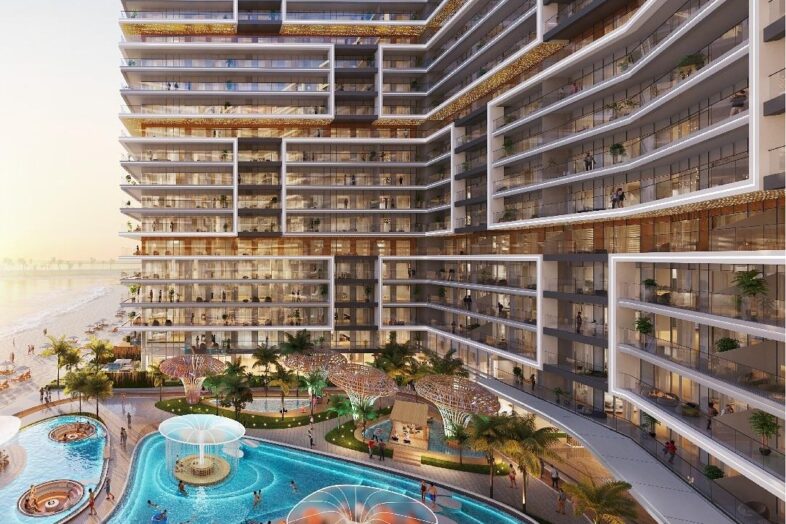
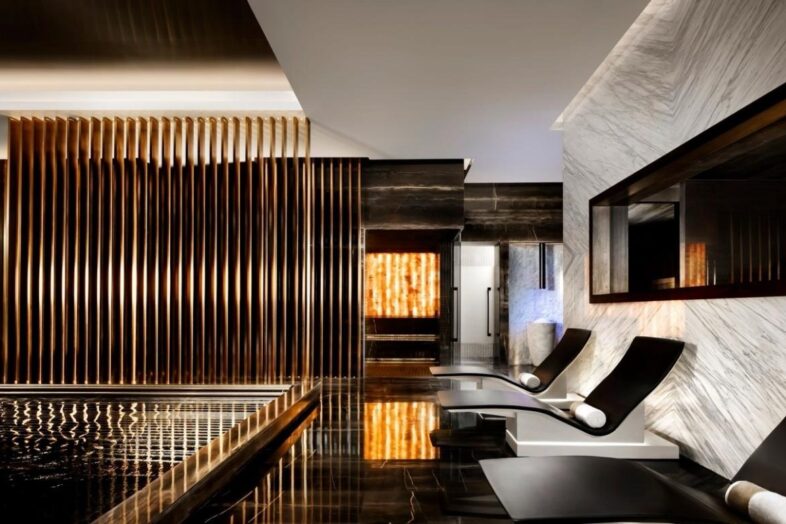
Dubai’s luxury real estate market is undergoing a clear structural shift. Traditional markers of prestige — location, scale, and visual appeal — are no longer sufficient to define high-end property. Instead, a new framework is emerging, where wellness integration is becoming a central component of residential value. Recent reporting highlights that developers are increasingly embedding health-focused design into residential projects, reflecting a broader change in buyer priorities.  This shift is not cosmetic. It represents a measurable transition in how luxury is defined, evaluated, and priced within the Dubai property market. The Shift in Luxury: From Aesthetics to Functionality Historically, luxury property in Dubai was characterised by: While these factors remain relevant, they are no longer the primary differentiators. Developers are now focusing on how homes perform as living environments, including their ability to support: This reflects a broader trend in the UAE, where design is increasingly judged by function, usability, and long-term value, rather than visual impact alone.  What Defines a Wellness-Integrated Home Wellness in real estate extends beyond traditional amenities such as gyms or spas. According to current market insights, wellness-integrated homes typically include: These features are integrated at the design and infrastructure level, rather than added as optional amenities. In many developments, wellness is embedded into: This represents a shift from amenity-based luxury to environment-based luxury. Buyer Behaviour: Demand Driven by Lifestyle and Longevity The rise of wellness-integrated homes is closely linked to changing buyer behaviour. Current trends indicate that buyers are: This is particularly relevant in Dubai, where high-performance lifestyles and long working hours have increased demand for residential environments that offer balance and recovery.  As a result, wellness is no longer viewed as a premium add-on, but as a core requirement in high-end residential decision-making. Market Performance: Measurable Impact on Value The integration of wellness features is not only influencing buyer preferences, but also measurable market performance. Data suggests that wellness-oriented developments: These outcomes indicate that wellness is increasingly linked to financial performance, not just lifestyle appeal.  For investors, this introduces a new evaluation metric:Properties that support long-term tenant satisfaction and retention may outperform those defined solely by location or branding. Developer Strategy: A Structural Market Response Developers are responding directly to this shift in demand. Recent projects across Dubai are incorporating: This aligns with a broader industry trend, where wellness is becoming a standard component of new developments, rather than a niche offering.  The pace of adoption in Dubai is particularly notable, with wellness concepts being implemented across both emerging districts and established urban areas. Urban Implications: Redefining Community Design The shift toward wellness is also influencing how entire communities are planned. Emerging development patterns include: These changes indicate that wellness is no longer confined to individual properties. It is shaping district-level planning and urban design. In effect, the definition of luxury is expanding from the unit to the community ecosystem. Market Positioning: Dubai in a Global Context Dubai’s rapid adoption of wellness-integrated real estate places it within a broader global trend. Across international markets, there is increasing emphasis on: However, Dubai’s advantage lies in the speed of implementation. Wellness concepts are being incorporated into large-scale developments at a pace that is reshaping the overall market structure. This positions Dubai as a leading market in the evolution of lifestyle-driven real estate. Investment Considerations in 2026 For investors, the shift toward wellness introduces new criteria for evaluating property. Key considerations include: As the market becomes more selective, properties lacking these characteristics may face slower absorption and reduced competitiveness. The Noble House Perspective The rise of wellness-integrated homes reflects a broader transition in Dubai’s real estate market — from asset-driven luxury to experience-driven living. This shift is supported by: For market participants, the implication is clear:Luxury is increasingly defined by how a property functions over time, rather than how it presents initially. In 2026, the strongest-performing assets are likely to be those aligned with long-term livability, health, and sustainability, as these factors continue to shape demand across the market.

Dubai Real Estate in 2026: Why Landlords Are Holding Firm Despite Rising Listings

Dubai’s property market in 2026 is showing a notable shift in behaviour rather than direction. While listings have increased modestly, there is no evidence of widespread distress selling. Instead, landlords are maintaining their positions, and pricing levels remain broadly stable. This dynamic reflects a market that is adjusting in pace, not reversing — with both buyers and tenants becoming more selective, and investors continuing to rely on long-term fundamentals rather than short-term sentiment. Market Overview: Stability Despite External Pressures Recent data indicates that Dubai’s property market has remained resilient, even amid geopolitical uncertainty. Approximately 85% of landlords are not considering selling, reinforcing the absence of panic-driven activity.  This behaviour suggests: Rather than a supply-driven correction, the market is exhibiting measured stability, supported by long-term investment perspectives. Listings Increase, But Without Distress Signals Property listings have risen by approximately 5%, but the composition of this increase is significant. Key observations: This indicates that the increase in inventory is primarily due to normal market churn, rather than a structural shift in supply conditions.  Landlord Behaviour: Long-Term Conviction Remains Intact The decision by most landlords to hold their assets reflects continued confidence in Dubai’s structural advantages. These include: As noted in the report, many landlords are responding to real-time market conditions rather than reacting to external headlines.  This behaviour is consistent with a market where ownership is increasingly driven by long-term positioning rather than short-term speculation. Buyer Trends: Shift Toward Off-Plan and Future Supply While landlords remain stable, buyer behaviour is evolving. Recent transaction patterns show: This shift reflects a more strategic approach to investment, where buyers: The preference for off-plan properties indicates confidence in Dubai’s long-term growth trajectory, even as near-term conditions are assessed more cautiously. Rental Market Adjustments: Segment-Specific Pressure While overall stability persists, certain segments are experiencing pressure. Short-Term Rental Segment Long-Term Rental Segment These trends suggest that rental market adjustments are not uniform, but instead concentrated in specific asset classes. Pricing Dynamics: Stability With Slower Transaction Cycles Property prices across both sales and rental markets have remained broadly stable. However, adjustments are visible in transaction activity rather than pricing levels. Market indicators include: Buyer engagement has shown resilience, with activity returning to over 80% of typical levels shortly after temporary slowdowns.  This pattern reflects caution rather than withdrawal. Increasing Importance of Asset-Level Performance As the market becomes more selective, performance is increasingly determined at the individual asset level. Key differentiators now include: Landlords are increasingly required to assess: This marks a shift from broad market-driven performance to asset-specific competitiveness. Market Segmentation: Diverging Risk Profiles Risk exposure is becoming more differentiated across the market. Investor-Dominated Communities Mortgage-Dependent Segments Prime and Luxury Assets This segmentation highlights the importance of location and asset quality in determining performance. Market Direction: Adjustment in Pace, Not Trend Current data suggests that Dubai’s real estate market is not experiencing a downturn, but rather a shift in behaviour. Key characteristics of this phase: The market is transitioning from rapid growth to a more measured and selective environment, where decisions are increasingly driven by value and fundamentals. The Noble House Perspective The current market conditions reflect a structural shift toward maturity rather than instability. The absence of panic selling, combined with stable pricing and sustained investor participation, indicates that Dubai’s real estate market continues to be supported by long-term fundamentals. For investors and property owners, the focus should remain on: As the market becomes more selective, performance will be increasingly determined by fundamentals rather than broad market momentum.

Crisis Tested, Stability Proven: Dubai & Abu Dhabi’s Safe-Haven Status in a Shifting Gulf

Just before dawn on June 22, Gulf airspace was momentarily silenced. Iran’s missile attacks near Al Udeid Air Base in Qatar, followed by U.S. retaliatory strikes, sent ripples across the region. Dubai and Abu Dhabi cities famed for luxury, ambition, and above all, safety faced the sharpest geopolitical stress test in recent memory. For a few tense hours, flight paths shifted, terminals paused, and screens flashed red. But by sunrise on June 23, the UAE was humming again. Markets reopened. Offices resumed. Trade routes recalibrated. And so, the world’s watchful eye turned to a familiar question: Can the UAE remain the Middle East’s last true safe haven? The answer, once again, appears to be yes with caveats. A Flash of Fear, Then Rapid Recovery  Airspace Closure and Airline Response As the region braced for escalation, the UAE took swift precautionary action: Yet by June 23, traffic had normalized. Airports reactivated without incident. And unlike past crises, there was no wave of outbound expatriate movement a powerful marker of public trust. Market Impact: A Blip, not a Crash Financial markets absorbed the shock with discipline. The Dubai Financial Market Index (DFM) dropped 2.2% upon the news of U.S. strikes but recovered within 48 hours as ceasefire talks materialized. DFM Index Performance (June 20–25) (Data estimated based on Bloomberg trends) Date DFM Closing Value June 20 3,550 points June 22 3,473 points (−2.2%) June 25 3,560 points (full recovery) Investors both regional and international signalled confidence. The bond market remained stable. Property indices showed no shift in trend. It was, in short, a stress test the UAE passed with minimal bruising. Economic Fundamentals Stay Resilient According to Bloomberg’s macro tracking, the core indicators that matter most non-oil GDP, tourism, logistics, and consumer sentiment showed no material deterioration. Metric June 15 (Pre-Crisis) June 25 (post-Crisis) Non-Oil GDP Forecast (2025) 4.2% 4.1% Dubai Hotel Occupancy Rate 82% 80% Port Throughput (Jebel Ali) 5.8M TEU (est.) 5.7M TEU (revised) Short-term softness was visible, especially in air travel, but analysts forecast a full rebound in July if regional peace holds. Why the UAE Withstands the Shock 1. Diplomatic Dualism The UAE walks a tightrope of relationships maintaining diplomatic and economic ties with the U.S., Israel, Iran, Russia, and China. This broad alliance network acts as geopolitical Armor, allowing it to distance itself from direct conflict without losing regional influence. 2. Hypermodern Infrastructure With state-of-the-art ports, roads, and telecom systems, Dubai and Abu Dhabi were able to reroute flights, logistics, and financial services in real time. The Emirates’ deep investment in smart infrastructure is no longer just a branding exercise it’s a buffer against chaos. 3. Institutional Agility Government crisis units and corporate contingency plans were activated immediately. Coordinated messaging from the Ministry of Economy, GCAA, and Emirates Group ensured there was no panic. The machine worked. What Keeps Risk Alive Despite this recovery, the situation remains fluid. Analysts warn that stability is conditional on three external variables: While talks have reduced tensions for now, both nations continue to accuse each other of violating the truce. A single misstep could restart escalation. Though unaffected in this round, the world’s most critical oil chokepoint remains exposed. Any naval engagement here could halt 20% of global oil flow and hit UAE’s export lifeline hard. While residents did not flee, missile alert systems and airline disruptions have introduced a new psychological layer. Some international schools reported upticks in early withdrawals, and luxury rental inquiries dipped slightly in Jumeirah and Palm Jumeirah for the week of June 22. Gulf Market Outlook: Steady With Caution Sector Short-Term Impact Long-Term Outlook Real Estate (Luxury) Minimal Stable Stock Markets Rebounded Positive if truce holds Tourism (July bookings) −4% Recovery expected by mid-July Oil & Energy Stable Watch for Hormuz disruptions The consensus among institutional investors: Dubai remains investible, but attention must be paid to geopolitical tail risk. Conclusion: Stability is Earned, Not Assumed In a region too often defined by volatility, the UAE remains the exception. But that exceptionalism isn’t accidental it’s engineered. It comes from diplomatic finesse, regulatory transparency, and infrastructure built not just for luxury, but for resilience. Dubai and Abu Dhabi may have just passed their most serious stress test in years. The world was watching and now, so are the investors, once again circling this oasis in the sand.

Cheval Blanc’s Dubai Debut: A New Chapter in Ultra-Luxury Hospitality

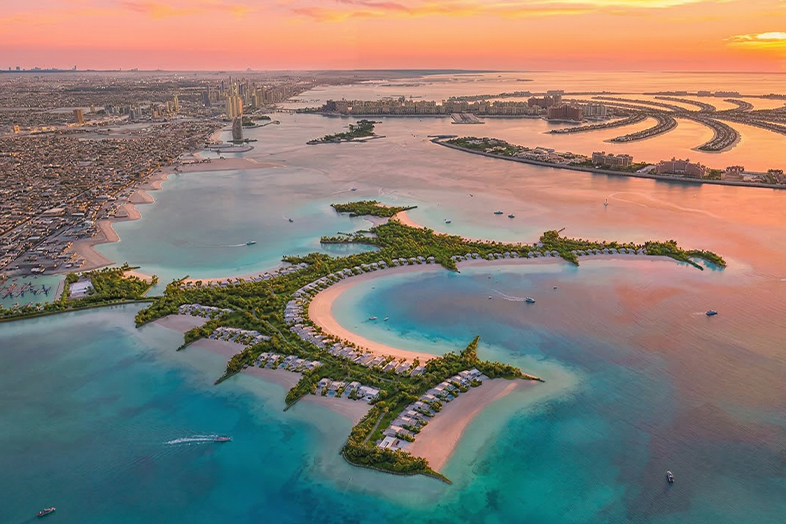
Dubai is set to redefine ultra-luxury hospitality with the eagerly anticipated debut of Cheval Blanc Maison, an extraordinary private-island enclave set to transform the city’s high-end hospitality landscape. Table of Contents 1. A Global Icon Enters the UAE For the first time in the Middle East, the renowned Cheval Blanc—part of LVMH’s ultra-luxe hospitality portfolio—is making its appearance with Cheval Blanc Maison Dubai. This debut represents not just expansion, but a refinement of experiential luxury in the region.  2. Where Luxury Meets Seclusion: Naïa Island Nestled off Jumeirah’s coastline, Naïa Island is the chosen home for this assuredly discreet resort. Shamal Holding, a leading Dubai-based investment firm, is bringing this vision to life—offering an exclusive retreat away from the urban buzz.  The resort will feature: 3. Design Ethos & Bespoke Experiences True to Cheval Blanc’s signature aesthetic, the design will meld contemporary elegance with timeless grace, anchored by mindful craftsmanship. Guests can anticipate curated indulgences—from spa treatments with Dior and Guerlain to culinary artistry in intimate dining settings.  The project’s planning aligns with Dubai’s broader 2030 vision to strengthen its global luxury positioning through culture, design, and exclusivity.  4. What Makes This Launch Exceptional 5. The Noble House Perspective: The Luxury Landscape Evolved Insight The Noble House Viewpoint New Benchmark for Hospitality Cheval Blanc sets a higher bar, shifting focus from spectacle to serenity and experience. Feather in Dubai’s Cap Anchored within Naïa’s private island context, this is a defining project in Dubai’s luxury hospitality evolution. Urge for Quality, Not Quantity Emphasizes the importance of curated experiences—a strong match with discerning client expectations. Future-Ready Positioning The 2029 debut positions this Maison as a long-term prestige asset, appealing to both investors and aficionados of legacy hospitality. In Summary Cheval Blanc’s arrival in Dubai via a bespoke Maison on Naïa Island ushers in a transformative moment for luxury hospitality in the region. Set for a 2029 debut, this enclave promises unparalleled privacy, design, and emotional resonance—redefining what ultra-luxury means in the modern era.

Business Bay: Dubai’s Powerhouse for Luxury Living and High-Return Investments

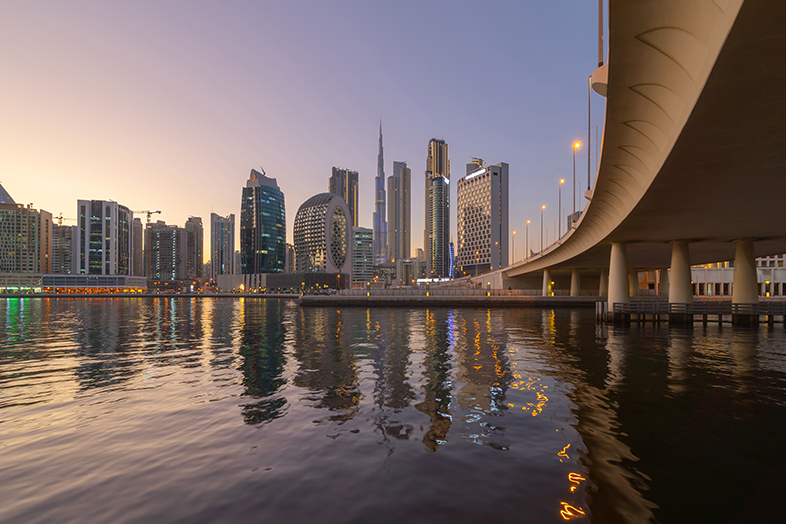
Business Bay is Dubai’s prime hub for luxury living and business, offering high rental yields, modern amenities, and strategic location advantages. Business Bay has swiftly emerged as one of Dubai’s premier destinations, seamlessly blending residential and commercial real estate to create a vibrant urban hub. Its strategic location, modern infrastructure, and diverse property offerings make it an attractive choice for homeowners, businesses, and investors alike. Master Developer and Origins of Business Bay Initiated in 2003, Business Bay was conceptualized as a central business district by Dubai Properties Group, aiming to extend the famed Dubai Creek from Ras Al Khor to Sheikh Zayed Road. This ambitious project envisioned a “city within a city,” combining commercial, residential, and mixed-use developments over an expansive area of 64 million square feet. The goal was to establish a global business and residential center, reflecting Dubai’s vision for urban growth and economic diversification. Stages of Development The development of Business Bay has progressed through multiple phases: Developers Active in Business Bay Several prominent developers have played pivotal roles in shaping Business Bay: Economic Value and Prices Business Bay offers a range of property options catering to various budgets: Services and Entertainment in Business Bay Business Bay is designed to provide a comprehensive lifestyle experience: Conclusion Business Bay exemplifies Dubai’s commitment to creating integrated urban spaces that cater to both residential and commercial needs. Its strategic location, diverse property offerings, and robust infrastructure make it an ideal choice for investors, businesses, and residents seeking a dynamic and modern environment. As development continues, Business Bay is poised to maintain its status as a premier destination in Dubai’s real estate landscape.