The Best Areas to Buy Luxury Property in Dubai in 2026: A Structured Market Overview

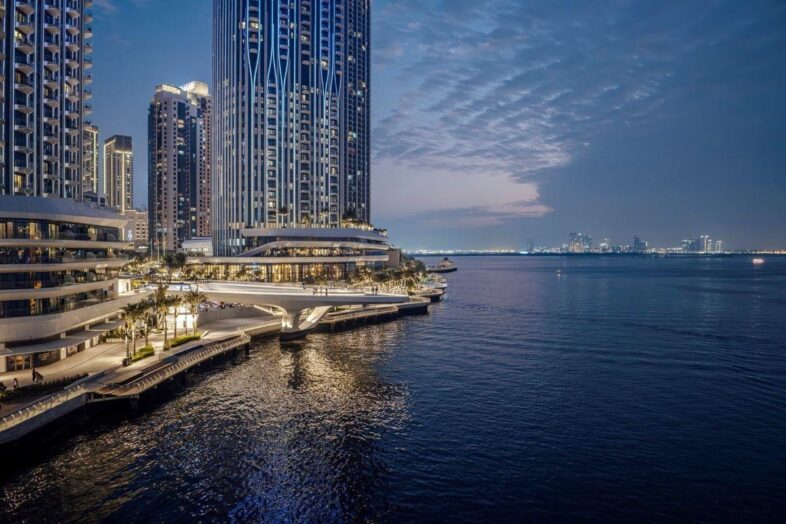
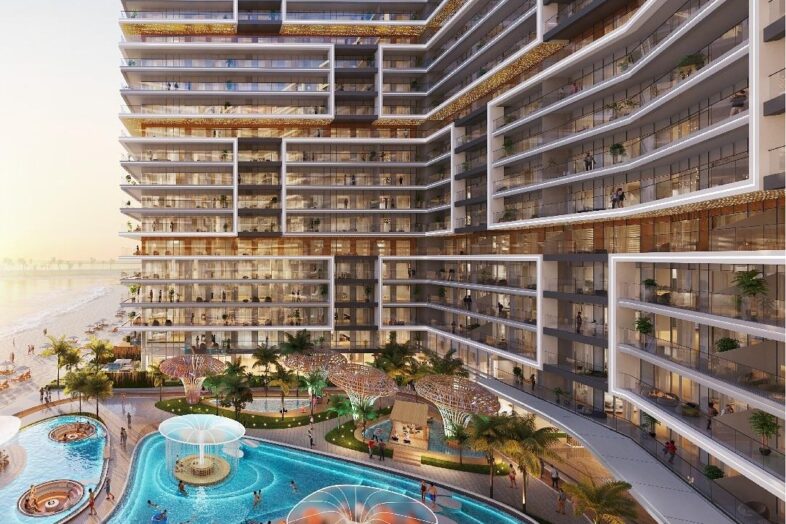
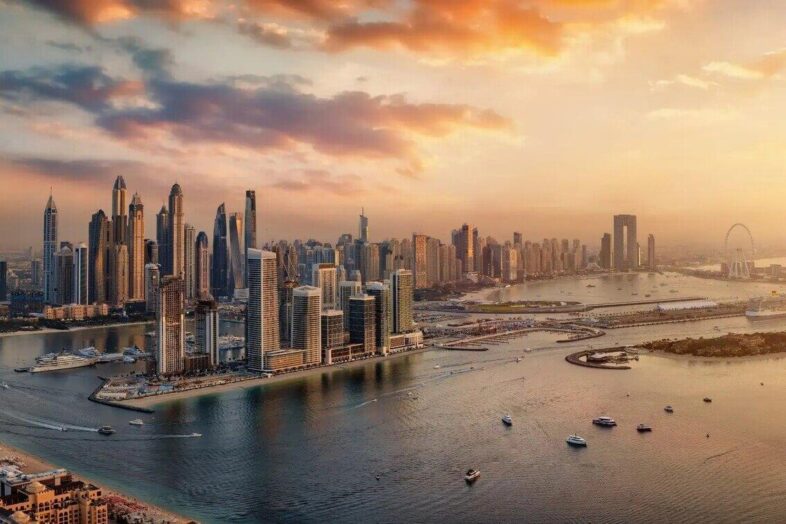
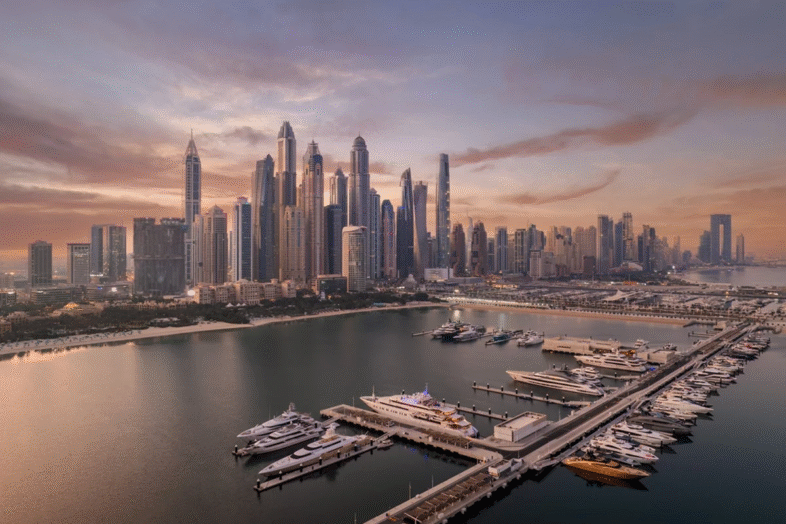
Dubai’s luxury real estate market in 2026 is defined by diversity rather than concentration. Prime property is no longer limited to a single district; instead, it spans multiple environments, each catering to different buyer priorities. The city’s top luxury areas include established waterfront destinations, private villa enclaves, and emerging master-planned communities. These locations combine lifestyle positioning with long-term investment potential, reflecting a market that is both expanding and maturing.  For investors and end-users, selecting the right area requires understanding not only price points, but also the type of demand each district attracts and sustains. The Evolution of Dubai’s Luxury Property Market Dubai’s prime residential segment has entered a phase of measured and structured growth. Key characteristics of the 2026 market include: Luxury property in Dubai is no longer defined solely by price or visibility, but by environment, intent, and use case.  Palm Jumeirah: Global Waterfront Benchmark Palm Jumeirah continues to represent Dubai’s most internationally recognised luxury address. Its defining features include: The area’s value is supported not only by its location, but by its positioning as a globally identifiable asset class within Dubai’s real estate market.  Palm Jumeirah is typically suited to: Emirates Hills: Ultra-Prime Privacy and Long-Term Ownership Emirates Hills represents a different segment of the luxury market — one defined by privacy, space, and architectural individuality. Key characteristics: Unlike more visible locations, Emirates Hills functions as a private residential enclave, where properties are held for extended periods and rarely enter the market.  This area is most relevant for: Dubai Hills Estate: Master-Planned Residential Integration Dubai Hills Estate reflects a more contemporary approach to luxury development. Its appeal is based on: Built around a central park and golf course, the community offers a complete residential ecosystem, rather than a single-use district.  Dubai Hills Estate is typically suited to: Downtown Dubai: High-Density Urban Luxury Downtown Dubai remains the city’s primary urban core for luxury apartments and branded residences. Its positioning is defined by: The area continues to attract buyers seeking immediate access to retail, hospitality, and business districts, reinforcing its liquidity and resilience.  Downtown Dubai is best suited for: Dubai Marina: Liquidity and Rental Performance Dubai Marina remains one of the most active residential districts in the luxury segment. Its key advantages include: While more mature than newer developments, Dubai Marina continues to perform due to its combination of accessibility, density, and waterfront appeal.  This makes it particularly relevant for: Dubai Creek Harbour: Emerging Waterfront Growth Dubai Creek Harbour represents a newer phase of Dubai’s luxury development strategy. Key characteristics: As a developing district, it attracts buyers focused on long-term appreciation rather than immediate maturity.  Dubai Creek Harbour is suited to: A Shift in How “Prime” Is Defined One of the most significant changes in 2026 is the evolving definition of prime real estate. The market is increasingly shaped by contrasts: As a result, the “best” area is no longer universal. It is dependent on buyer intent, time horizon, and use case.  Key Considerations for Buyers When evaluating luxury property in Dubai, buyers should consider: A structured approach is increasingly necessary, as performance varies significantly across districts. The Noble House Perspective Dubai’s luxury real estate market in 2026 reflects a transition toward greater maturity and segmentation. Rather than being defined by a single prime location, the market now offers multiple high-performing districts, each supported by distinct demand drivers. For investors, the focus should remain on: As the definition of luxury continues to evolve, performance will be determined less by visibility and more by fit, function, and fundamentals.
UAE Real Estate in 2026: Record Demand and Project Launches Reinforce Dubai’s Global Position

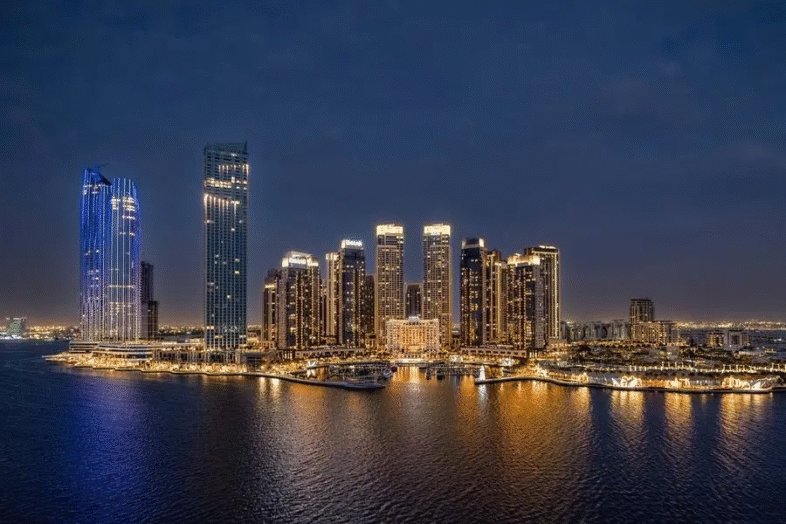
Dubai’s real estate sector continues to demonstrate sustained strength, supported by record demand levels and a steady pipeline of new project launches. Recent market reporting indicates that March 2026 marked a particularly active period, reflecting both investor confidence and developer momentum across the UAE. Rather than representing short-term activity, these trends point toward a broader structural shift: Dubai’s property market is increasingly positioned as a stable, globally competitive investment environment. Market Performance: Record Demand and Accelerated Activity Recent data highlights a notable surge in both transaction volumes and development activity, with March 2026 emerging as a key milestone period. Key market characteristics include: This level of activity suggests that demand is not isolated to a single segment but is instead distributed across the market, supporting overall stability. Project Launches: Developer Confidence and Market Absorption The increase in new project launches reflects confidence among developers regarding future demand and absorption capacity. In practical terms, sustained launch activity indicates: Developers typically operate on long timelines, and the decision to introduce new inventory is generally based on data-driven assessments rather than short-term sentiment. International Positioning: Strengthening Global Market Status Dubai’s real estate market continues to strengthen its position relative to other global property markets. Several factors contribute to this positioning: These characteristics reinforce Dubai’s status as a globally accessible and investment-friendly market, particularly for non-resident buyers. Demand Drivers: Structural, Not Cyclical The current demand environment is supported by multiple structural factors rather than temporary market conditions. Population Growth and Relocation Trends Dubai continues to attract professionals, entrepreneurs, and high-net-worth individuals, contributing to sustained housing demand across both rental and ownership markets. Economic Expansion Growth across key sectors — including finance, logistics, tourism, and technology — continues to generate employment and drive residential demand. Policy and Regulatory Stability Clear legal frameworks and investor-friendly policies provide a predictable environment for both local and international market participants. Together, these factors contribute to demand that is consistent and repeatable, rather than speculative. Supply Considerations: Managing Growth and Delivery While demand remains strong, supply is also increasing through ongoing development pipelines. This creates a more balanced market environment, where: The interaction between supply and demand will remain a key factor in determining market performance throughout 2026. Market Structure: Increasing Maturity and Differentiation As the market evolves, a clear distinction is emerging between asset types. Properties are increasingly evaluated based on: This indicates a shift toward a more mature market structure, where performance is determined by fundamentals rather than momentum alone. Implications for Investors For investors, current market conditions suggest several key considerations: A structured, analytical approach is essential in a market that is both active and evolving. The Noble House Perspective The recent surge in demand and project launches should be understood within the context of Dubai’s broader economic and regulatory environment. The market’s performance in 2026 reflects: For market participants, the focus should remain on underlying fundamentals, including asset quality, location, and long-term demand drivers, as these continue to define performance in an increasingly competitive landscape.

Understanding the UAE Property Market in 2026: A Structured Overview of Dubai Real Estate

Dubai’s real estate market continues to demonstrate sustained growth, supported by strong demand, regulatory clarity, and ongoing economic expansion. Recent industry commentary highlights a consistent trend: the market is not only active, but increasingly structured and globally integrated. For investors, understanding the UAE property market in 2026 requires a clear view of its fundamentals — including regulatory frameworks, demand drivers, supply dynamics, and long-term positioning within the global real estate landscape. Market Performance: Sustained Activity Across Segments Dubai’s property market has maintained momentum into 2026, following a period of record transaction volumes and increased capital inflows. Key observations include: This performance reflects not only short-term market conditions, but also broader structural factors that continue to support real estate activity across the UAE. Regulatory Framework: Accessibility and Transparency Dubai’s real estate market is underpinned by a clearly defined and accessible legal framework, which remains one of its primary advantages. Core regulatory features include: These elements provide clarity for both resident and non-resident buyers, reducing transactional uncertainty and supporting investor participation. Economic Drivers Supporting Property Demand Diversified Economic Growth Dubai’s economy has expanded across multiple sectors, including finance, tourism, logistics, and technology. This diversification reduces reliance on a single industry and supports consistent housing demand across different price segments. Business Expansion and Employment As companies continue to establish and expand operations in Dubai, employment growth contributes directly to: Housing demand in 2026 is therefore increasingly tied to economic activity rather than speculative cycles. Population Growth and International Demand Population expansion remains a central factor influencing real estate performance. Dubai continues to attract: This influx supports both rental and ownership markets, contributing to sustained demand across a range of property types. Supply and Development Activity Alongside strong demand, Dubai is also experiencing an increase in supply through ongoing development pipelines. Key considerations include: While supply is increasing, it is largely supported by underlying demand drivers, particularly population growth and investor interest. Investment Environment: Positioning in a Global Context Dubai’s real estate market is increasingly evaluated in comparison to other global cities. Key competitive advantages include: These factors contribute to Dubai’s position as a preferred destination for international real estate investment. Market Characteristics in 2026 The current phase of the market can be characterised by: This indicates a gradual shift toward a more mature market structure, where performance is supported by economic and demographic factors. Considerations for Buyers and Investors For those entering the market, key considerations include: A structured approach is increasingly important as the market evolves. The Noble House Perspective Dubai’s real estate market in 2026 reflects a combination of regulatory clarity, economic stability, and sustained demand from both local and international participants. Rather than being driven solely by cyclical growth, the market is supported by long-term structural factors, including population expansion, business activity, and ongoing urban development. For investors, the focus should remain on fundamentals — including location, asset quality, and demand sustainability — as these continue to define performance in an increasingly competitive market.

What “We Have Nothing to Fear” Really Means for Dubai’s Real Estate Market in 2026

Recent remarks by Amira Sajwani — delivered in the presence of Mohamed bin Zayed Al Nahyan and Mohammed bin Rashid Al Maktoum — carried more weight than a typical industry statement. “We have nothing to fear” was not simply a comment on current market conditions. It was a reflection of something deeper: institutional confidence at the highest levels of the UAE’s leadership and private sector. For real estate investors, this kind of alignment is not symbolic — it is structural. At The Noble House, we look beyond quotes to understand what they reveal about direction, policy, and long-term positioning. Here is what this moment actually signals for Dubai’s property market in 2026. Confidence Backed by Leadership, Not Just Market Cycles In most global markets, real estate confidence rises and falls with economic cycles. In Dubai, confidence is increasingly tied to leadership continuity and long-term planning. The presence of both national and emirate-level leadership alongside major developers reflects: This reduces one of the biggest risks investors typically face: policy unpredictability. A Market Built on Strategy, Not Short-Term Momentum Amira Sajwani’s statement reflects a broader truth about Dubai’s evolution. The city is no longer driven by opportunistic growth alone. Instead, it is increasingly shaped by: This matters because real estate markets built on planning tend to: For investors, the implication is clear: Dubai’s growth is becoming more deliberate — and therefore more dependable. Why Global Uncertainty Is Strengthening Dubai’s Position The context of the statement is just as important as the words themselves. Globally, investors are navigating: Against this backdrop, Dubai offers something increasingly rare: clarity. “We have nothing to fear” reflects confidence in: In practical terms, this is why Dubai continues to function as a safe-haven real estate market, particularly for international buyers. Developer Confidence as a Leading Indicator When major developers express confidence publicly — especially in front of leadership — it often signals more than optimism. It reflects: Developers operate with long timelines. Their confidence tends to be based on data, not sentiment. For investors, this acts as a leading indicator:If developers are building with conviction, they are seeing demand that may not yet be visible in headline data. What This Means for Real Estate in 2026 Statements made in high-level institutional settings should be interpreted in context. In this case, the message reflects alignment between government leadership and major developers at a time when Dubai continues to position itself as a stable, long-term investment environment. For the real estate market, this alignment has several practical implications: These factors contribute to market conditions where demand is not solely driven by short-term sentiment, but by broader structural confidence. Interpreting Developer and Government Alignment When statements of confidence are made in the presence of both federal and emirate leadership, they should be understood as part of a wider economic narrative rather than isolated commentary. This reflects: For investors, this reduces uncertainty around policy direction and strengthens the predictability of the operating environment. Market Context: Confidence in a Global Framework Dubai’s real estate market does not operate in isolation. Its performance is increasingly influenced by global capital flows and comparative positioning against other major cities. In this context, confidence statements from developers are often tied to: These structural factors remain key to understanding why Dubai continues to attract non-resident investors. The Noble House Perspective For investors, the relevance of such statements lies not in their tone, but in what they indicate about market conditions. Confidence expressed at this level typically reflects: As a result, market participants should focus on underlying fundamentals — including location quality, asset type, and long-term demand drivers — rather than interpreting confidence statements as short-term signals.

Dubai Real Estate in 2026: How Wellness-Integrated Homes Are Redefining Luxury

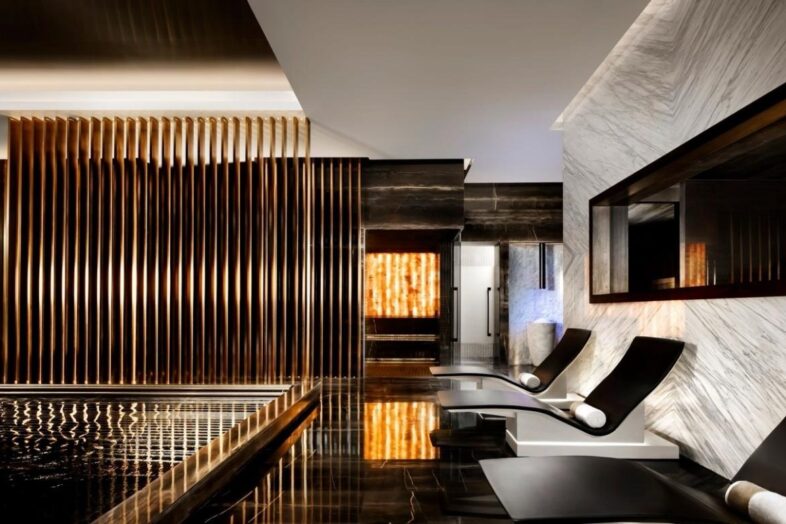
Dubai’s luxury real estate market is undergoing a clear structural shift. Traditional markers of prestige — location, scale, and visual appeal — are no longer sufficient to define high-end property. Instead, a new framework is emerging, where wellness integration is becoming a central component of residential value. Recent reporting highlights that developers are increasingly embedding health-focused design into residential projects, reflecting a broader change in buyer priorities.  This shift is not cosmetic. It represents a measurable transition in how luxury is defined, evaluated, and priced within the Dubai property market. The Shift in Luxury: From Aesthetics to Functionality Historically, luxury property in Dubai was characterised by: While these factors remain relevant, they are no longer the primary differentiators. Developers are now focusing on how homes perform as living environments, including their ability to support: This reflects a broader trend in the UAE, where design is increasingly judged by function, usability, and long-term value, rather than visual impact alone.  What Defines a Wellness-Integrated Home Wellness in real estate extends beyond traditional amenities such as gyms or spas. According to current market insights, wellness-integrated homes typically include: These features are integrated at the design and infrastructure level, rather than added as optional amenities. In many developments, wellness is embedded into: This represents a shift from amenity-based luxury to environment-based luxury. Buyer Behaviour: Demand Driven by Lifestyle and Longevity The rise of wellness-integrated homes is closely linked to changing buyer behaviour. Current trends indicate that buyers are: This is particularly relevant in Dubai, where high-performance lifestyles and long working hours have increased demand for residential environments that offer balance and recovery.  As a result, wellness is no longer viewed as a premium add-on, but as a core requirement in high-end residential decision-making. Market Performance: Measurable Impact on Value The integration of wellness features is not only influencing buyer preferences, but also measurable market performance. Data suggests that wellness-oriented developments: These outcomes indicate that wellness is increasingly linked to financial performance, not just lifestyle appeal.  For investors, this introduces a new evaluation metric:Properties that support long-term tenant satisfaction and retention may outperform those defined solely by location or branding. Developer Strategy: A Structural Market Response Developers are responding directly to this shift in demand. Recent projects across Dubai are incorporating: This aligns with a broader industry trend, where wellness is becoming a standard component of new developments, rather than a niche offering.  The pace of adoption in Dubai is particularly notable, with wellness concepts being implemented across both emerging districts and established urban areas. Urban Implications: Redefining Community Design The shift toward wellness is also influencing how entire communities are planned. Emerging development patterns include: These changes indicate that wellness is no longer confined to individual properties. It is shaping district-level planning and urban design. In effect, the definition of luxury is expanding from the unit to the community ecosystem. Market Positioning: Dubai in a Global Context Dubai’s rapid adoption of wellness-integrated real estate places it within a broader global trend. Across international markets, there is increasing emphasis on: However, Dubai’s advantage lies in the speed of implementation. Wellness concepts are being incorporated into large-scale developments at a pace that is reshaping the overall market structure. This positions Dubai as a leading market in the evolution of lifestyle-driven real estate. Investment Considerations in 2026 For investors, the shift toward wellness introduces new criteria for evaluating property. Key considerations include: As the market becomes more selective, properties lacking these characteristics may face slower absorption and reduced competitiveness. The Noble House Perspective The rise of wellness-integrated homes reflects a broader transition in Dubai’s real estate market — from asset-driven luxury to experience-driven living. This shift is supported by: For market participants, the implication is clear:Luxury is increasingly defined by how a property functions over time, rather than how it presents initially. In 2026, the strongest-performing assets are likely to be those aligned with long-term livability, health, and sustainability, as these factors continue to shape demand across the market.

Dubai Real Estate in 2026: Why Landlords Are Holding Firm Despite Rising Listings

Dubai’s property market in 2026 is showing a notable shift in behaviour rather than direction. While listings have increased modestly, there is no evidence of widespread distress selling. Instead, landlords are maintaining their positions, and pricing levels remain broadly stable. This dynamic reflects a market that is adjusting in pace, not reversing — with both buyers and tenants becoming more selective, and investors continuing to rely on long-term fundamentals rather than short-term sentiment. Market Overview: Stability Despite External Pressures Recent data indicates that Dubai’s property market has remained resilient, even amid geopolitical uncertainty. Approximately 85% of landlords are not considering selling, reinforcing the absence of panic-driven activity.  This behaviour suggests: Rather than a supply-driven correction, the market is exhibiting measured stability, supported by long-term investment perspectives. Listings Increase, But Without Distress Signals Property listings have risen by approximately 5%, but the composition of this increase is significant. Key observations: This indicates that the increase in inventory is primarily due to normal market churn, rather than a structural shift in supply conditions.  Landlord Behaviour: Long-Term Conviction Remains Intact The decision by most landlords to hold their assets reflects continued confidence in Dubai’s structural advantages. These include: As noted in the report, many landlords are responding to real-time market conditions rather than reacting to external headlines.  This behaviour is consistent with a market where ownership is increasingly driven by long-term positioning rather than short-term speculation. Buyer Trends: Shift Toward Off-Plan and Future Supply While landlords remain stable, buyer behaviour is evolving. Recent transaction patterns show: This shift reflects a more strategic approach to investment, where buyers: The preference for off-plan properties indicates confidence in Dubai’s long-term growth trajectory, even as near-term conditions are assessed more cautiously. Rental Market Adjustments: Segment-Specific Pressure While overall stability persists, certain segments are experiencing pressure. Short-Term Rental Segment Long-Term Rental Segment These trends suggest that rental market adjustments are not uniform, but instead concentrated in specific asset classes. Pricing Dynamics: Stability With Slower Transaction Cycles Property prices across both sales and rental markets have remained broadly stable. However, adjustments are visible in transaction activity rather than pricing levels. Market indicators include: Buyer engagement has shown resilience, with activity returning to over 80% of typical levels shortly after temporary slowdowns.  This pattern reflects caution rather than withdrawal. Increasing Importance of Asset-Level Performance As the market becomes more selective, performance is increasingly determined at the individual asset level. Key differentiators now include: Landlords are increasingly required to assess: This marks a shift from broad market-driven performance to asset-specific competitiveness. Market Segmentation: Diverging Risk Profiles Risk exposure is becoming more differentiated across the market. Investor-Dominated Communities Mortgage-Dependent Segments Prime and Luxury Assets This segmentation highlights the importance of location and asset quality in determining performance. Market Direction: Adjustment in Pace, Not Trend Current data suggests that Dubai’s real estate market is not experiencing a downturn, but rather a shift in behaviour. Key characteristics of this phase: The market is transitioning from rapid growth to a more measured and selective environment, where decisions are increasingly driven by value and fundamentals. The Noble House Perspective The current market conditions reflect a structural shift toward maturity rather than instability. The absence of panic selling, combined with stable pricing and sustained investor participation, indicates that Dubai’s real estate market continues to be supported by long-term fundamentals. For investors and property owners, the focus should remain on: As the market becomes more selective, performance will be increasingly determined by fundamentals rather than broad market momentum.

Dubai Real Estate Weekly Market Analysis 20-Apr-2026

Dubai Real Estate Market Review 02-Apr-2026

Modon to cover registration fees for all residential units bought in March  Dubai real estate: Off-plan apartment sales hit $4.77 billion in March, up 12.9 percent Dubai’s March 2026 off-plan apartment market stayed strong: sales rose 12.9% year-on-year to AED17.5bn, with deal volume up 2.3% to 7,983. Dubai Islands led by value, Madinat Al Mataar by volume, while Aman Residences Dubai dominated the luxury segment with record-ticket transactions.  Read The Full Article on Economy Middle East Dubai records Dh1b-plus land deal in Palm Jumeirah Dubai recorded a landmark Palm Jumeirah land sale above Dh1 billion at Royal Amwaj. Total real estate activity hit Dh3.18 billion, led by Dh1.73 billion in sales. Q1 2026 sales rose 23.85% year-on-year to Dh175.88 billion, showing resilient investor confidence.  Read the full article on Gulf News Danube Properties unveils AED 3.5mln+ ‘Greenz’ Master Community in Dubai’s high-growth Academic City Danube launched Greenz By Danube, its first large master-planned community in Dubai International Academic City. Offering villas and townhouses from AED3.5 million, the project targets families and investors, with 50+ amenities, a 1% monthly plan, and handover expected in Q4 2029.  Read the full article on Zawya Dubai leads UAE in luxury-branded residential positioning at 88%, new industry analysis finds Illustrado’s new report says Dubai leads the UAE in luxury-led residential marketing, with 88% of projects using premium positioning. It warns of growing “luxury sameness,” making differentiation harder and pushing competition toward price, delivery, and brand credibility.  Read the full article on Gulf News Dubai’s haus & haus and EIGHTClouds launch structured real estate push haus & haus and EIGHTClouds have partnered to bring institutional-style real estate investing to the UAE. Their new open-ended residential fund targets stable income and long-term growth, reflecting a market shift toward diversified, professionally managed portfolios and disciplined execution.  Read the full article on Arabian Business NKEY Architects expands UAE footprint to 250+ active projects NKEY Architects says it is expanding from its Dubai base, with 250+ active UAE projects and 150+ staff. The firm sees strong growth in luxury residential design, while using Dubai as a hub to manage projects across the Middle East and more than 45 countries.  Read the full article on Middle East Construction News Neoterra Developments breaks ground for ELMORA; unveils next project in Dubai Production City Neoterra has broken ground on ELMORA at Jumeirah Garden City, a Dh130 million boutique residential tower due in February 2028 and already nearly 80% sold. The launch signals the developer’s wider Dubai expansion, with a second project planned in Dubai Production City in Q2 2026.  Read the full article on Gulf News Modon to cover registration fees for all residential units bought in March Modon will cover registration fees for all residential units bought in March, rewarding buyer confidence. The move follows strong 2025 results, with AED13.8 billion in revenue and AED3.9 billion in net profit, as the developer continues aligning its growth strategy with Abu Dhabi’s long-term economic agenda.  Read the full article on Zawya UAE tenants delay renewals: Expert reveals how to negotiate and get the best rents Tenants in Dubai and Abu Dhabi are gaining some negotiating power as short-term rental weakness and shifting sentiment soften parts of the market. Experts say rents remain high, but conditions are becoming more balanced, with some residents delaying renewals or seeking shorter, more flexible lease terms.  Read the full article on Khaleej Times Palma completes work on premium Palm Jumeirah residential project Palma has completed Serenia Living on Palm Jumeirah, with handovers now starting. Launched at AED3 billion in 2022, the ultra-premium beachfront project has doubled in value to over AED6 billion, highlighting strong demand for high-end waterfront homes in Dubai.  Read the full article on Zawya Dubai Real Estate Transactions as Reported on the 1st of April 2026 On the 01-Apr-2026, the total transacted value reached AED 2.48 billion. Off-plan dominated with AED 2.06 billion (82.9%), while Ready accounted for AED 425.7 million (17.1%).  Category  Off-Plan (AED millions) Ready (AED millions) Flats  1,339.5 271.7 Villas  83.3 92.3 Hotel Apt. & Rooms  5.4 17.7 Commercial  629.9 44.0 Total 2,058.1 425.7 Off-Plan Market Performance Total Value: AED 2.06 billion Off-plan activity was heavily led by flats, but the standout feature of the day was the unusually strong commercial contribution. Lumena Alta by Omniyat alone generated about AED 545.3 million from the listed office sales, equivalent to roughly 86.6% of off-plan commercial value and 26.5% of total off-plan value, materially lifting the off-plan segment.  Ready Market Performance Total Value: AED 425.7 million The Ready market remained much smaller than Off plan, with demand concentrated in flats. Villas also posted a meaningful share, while commercial and hotel-linked assets played a secondary role in the day’s completed-market activity.  On The Micro Level Market Insights & Outlook The 01-Apr-2026 data points to a market still firmly led by Off-plan, but with a notable twist: this was not just a standard apartment-led session. While flats remained the backbone of both Off-plan and Ready demand, the surge in off-plan commercial value , driven by Lumena Alta by Omniyat, widened the gap between the two segments and pushed total daily activity above AED 2.48 billion. Overall, the market continues to show strong primary-market depth, while the secondary market remains healthy but clearly less dominant on this session.  Data Source: Dubai Land Department *Only freehold transactions were used

Dubai Real Estate Weekly Market Analysis 20-Apr-2026

Dubai Real Estate Market Review 01-Apr-2026

We will not lay off any employees, said a Dubai developer  Azizi hands over 667 residences at flagship Dubai waterfront community Azizi Developments has handed over Riviera 69 and Beachfront I at Azizi Riviera in Meydan, marking another delivery milestone. The move highlights faster project execution, growing Phase 4 completion, and continued progress in building Riviera as a large integrated waterfront lifestyle community.  Read the full article on Zawya Hotel apartments lead surge in Dubai’s fully furnished property market Dubai’s furnished-home market is gaining traction, led by hotel apartments, where 86.5% of listings are fully furnished. The trend is driven by expatriates, mobile professionals, and investors seeking convenience, faster move-ins, stronger rental yields, and lower vacancies, while villas and townhouses remain mostly unfurnished.  Read the full article on Khaleej Times Dubai real estate: Burj Khalifa penthouse rents for record $3.27m per year The Dubai ultra luxury real estate market has set a new benchmark, with a duplex penthouse in the Burj Khalifa leased for AED12m ($3.27m) per year, marking the highest recorded annual apartment rental in the UAE.  Read the full article on Arabian Business Dubai rentals steady as landlords hold firm despite tensions Dubai’s leasing market is cooling but not weakening. Tenant enquiries are down, listings are up, and renters are becoming more selective, yet landlord confidence remains strong, distressed selling is absent, and off-plan demand continues to support the market’s resilience amid regional tensions.  Read the full article on Khaleej Times UAE real estate: Dubai $115m deal, Abu Dhabi $1.63bn sales, Sharjah transactions jump 71.8 per cent UAE real estate gained momentum in March 2026, driven by major project launches, strong sales, record transactions and steady construction across Dubai, Abu Dhabi and Sharjah. Luxury deals, resilient developer activity and rising investor confidence underscored the market’s strength, while Sharjah posted a sharp Ramadan surge.  Read the full article on Arabian Business Dubai developer DAMAC sells 3,663 units in Q1 2026 DAMAC sold 3,663 homes in Q1 2026 as Dubai real estate sales jumped 72.5% year on year to AED246.1 billion. The developer said demand remains strong, construction is on schedule, and the UAE’s economic stability continues to reinforce investor confidence despite regional tensions.  Read the full article on Zawya Dubai Investments breaks ground on Al Vista mixed-use project in Meydan Horizon Dubai Investments has started construction on Al Vista in Meydan Horizon, a mixed-use project featuring a 39-storey residential tower with 312 apartments and a 19-storey office tower. Completion is targeted for Q1 2028, with construction awarded to Hourie Paramount.  Read the full article on Zawya ‘We will not lay off any employees’: Danube Group’s Rizwan Sajan pledges salaries on time Danube Group said it will keep all 6,000+ staff, avoid layoffs and pay salaries on time despite regional tensions. The reassurance came as Dubai’s property market remained strong, recording AED13.15 billion in weekly transactions, including major luxury apartment deals.  Read the full article on Arabian Business Major Developments Partners with Mortix to Help Investors Secure Property Loans with Ease Major Developments partnered with Mortix Mortgage Broker to offer buyers free mortgage support, aiming to simplify property purchases for local and international investors. The move supports demand for its UAE projects, especially in Ras Al Khaimah, and reflects a broader push toward smoother, investor-friendly homeownership.  Read the full article on Khaleej Times Dubai leasing market adjusts as rental listings increase: report Dubai’s leasing market remains active but is becoming more selective. Tenant leads are down 30 to 40 percent year on year, while listings have risen 23 percent, giving renters more choice and pushing landlords to focus on realistic pricing, strong presentation and flexibility.  Read the full article on Zawya Abu Dhabi’s Ohana says self-funding projects offer full development control Ohana Development will self-fund its AED15 billion Manchester City Yas Residences in Abu Dhabi, with groundbreaking set for June 2026 and handovers from 2029. The two-phase project, which sold $1.63 billion in 72 hours, reflects strong confidence in Abu Dhabi’s off-plan market.  Read the full article on Zawya Dubai Real Estate Transactions as Reported on the 30th of March 2026 On the 31-Mar-2026, the total transacted value reached AED 2,014,208,203. Off-plan dominated with AED 1,436,009,363 (71.3%), while Ready accounted for AED 578,198,840 (28.7%).  Category  Off-Plan (AED millions) Ready (AED millions) Flats  1,229.7 383.9 Villas  75.2 149.4 Hotel Apt. & Rooms  4.2 14.7 Commercial  126.9 34.7 Total 1,436.0 578.2 Off-Plan Market Performance Total Value: AED 1,436,009,363 Dubai’s off-plan market remained firmly in control, with flats overwhelmingly driving activity and accounting for the vast majority of the segment’s value, while commercial assets provided an additional layer of support.  Ready Market Performance Total Value: AED 578,198,840 The ready market showed a more balanced structure than off-plan, with flats still leading, but villas making a much stronger contribution and highlighting continued appetite for completed family-oriented stock.  On The Micro Level Market Insights & Outlook The day’s performance points to a market that remains heavily skewed toward off-plan, with nearly three-quarters of total value coming from that segment. That said, ready transactions still posted a solid AED 578.2 million, supported by healthy flat and villa activity. Overall, the structure suggests Dubai’s market remains broad-based, but with new-launch apartment product continuing to set the pace.  Data Source: Dubai Land Department *Only freehold transactions were used

Dubai Real Estate Market Review 23-Apr-2026

Dubai Real Estate Market Review 31-Mar-2026

Dubai’s property transactions rebound 49% week on week  Despite regional tensions, Dubai’s property transactions rebound 49% Dubai real estate rebounded sharply after Eid, with ex-land transactions rising 49% week-on-week to Dhs8.66bn. Off-plan dominated at 77.8%, driven by apartments, while ready sales reached Dhs1.92bn. Business Bay led the resale market, underscoring resilient demand and continued investor preference for primary launches. Article by The Real Estate Reports. Read the full article on Gulf Business Local money powers deals in Abu Dhabi property market Abu Dhabi’s population is less transient than Dubai’s and real estate promoters hope this will insulate its property market from the effects of the Iran war, despite lower sales numbers this month both by number and value.  Read the full article on Arabian Gulf Business Insight Dubai Real Estate News: Understanding the UAE Property Market in 2026 Dubai remains a top real estate investment destination, supported by tax advantages, strong rental yields, population growth, infrastructure spending, and residency incentives like the Golden Visa. Demand is rising across luxury, waterfront, and off-plan properties, reinforcing long-term growth prospects.  Read the full article on OpenPR Alta Real Estate Confirms Construction Continues As Dubai Demand Stays Strong Alta says construction is progressing across its Dubai projects, citing confidence in the emirate’s long-term growth. The developer points to resilient market activity, strong 2025 transaction volumes, population growth, infrastructure investment, and Dubai’s long-term planning as key supports for continued demand and development momentum.  Read the full article on Construction Business News Dubai South awards Dh2 billion contracts for residential project Dubai South awarded a Dh2bn contract for multiple phases of its 10m sq ft HAYAT community near Al Maktoum Airport. The 2,500-home, wellness-focused development will include villas, apartments and retail amenities, with construction starting in Q2 2026 and first phases due by 2028.  Read the full article on Gulf News UAE’s real estate sector strengthens global status with record demand, project launches in March 2026 The UAE property market maintained strong momentum in March 2026, driven by record demand, investor confidence, and rapid launches. Abu Dhabi posted AED6bn in Yas Island sales, Dubai hit AED10bn in 10 days, and Sharjah’s Ramadan transactions rose 72% to AED4.6bn.  Read the full article on Economy Middle East Dubai Investments Park: Powering Dubai’s southern corridor Dubai Investments Park is emerging as a core pillar of Dubai’s southward expansion. With near-full occupancy, Dh42bn in tenant investment, 150,000 residents and a long-term infrastructure-led model, DIP is well positioned to support industrial, logistics and residential growth as the southern corridor accelerates.  Read the full article on Gulf News Azizi signs up Doka as formwork partner for prime Dubai project Azizi appointed Austria’s Doka as formwork and scaffolding partner for Rêve Riviera in MBR City. Doka will support construction of the three 26-storey towers, helping manage tight site conditions and fast delivery timelines as Azizi advances its broader pipeline of 150,000 units under construction.  Read the full article on Zawya UAE’s top developers say liquidity is sufficient to complete projects UAE developers say projects remain fully funded and on schedule despite regional tensions. Omniyat highlighted over Dh5.3bn in liquidity, while Damac, Deyaar and H&H also reported steady construction progress, underscoring confidence in Dubai’s resilient property market and strong investor demand.  Read the full article on Khaleej Times Dubai Real Estate Transactions as Reported on the 30th of March 2026 On the 30-Mar-2026, the total transacted value reached AED 1,403,386,113. Off-plan dominated with AED 857,614,638 (61.1%), while Ready accounted for AED 545,771,475 (38.9%).  Category  Off-Plan (AED millions) Ready (AED millions) Flats  707.1 388.6 Villas  100.8 94.8 Hotel Apt. & Rooms  1.0 6.7 Commercial  48.7 55.7 Total 857.6 545.8 Off-Plan Market Performance Total Value: AED 857,614,638 Off-plan activity remained the main driver of the market, with apartment sales overwhelmingly leading the segment and reinforcing continued end-user and investor appetite for launch-driven stock.  Ready Market Performance Total Value: AED 545,771,475 The ready market delivered a solid contribution, led by flats but with a more balanced mix than off-plan, as villas and commercial assets captured a meaningful share of completed-property demand.  On The Micro Level Market Insights & Outlook Dubai’s market on 30 March 2026 remained clearly tilted toward off-plan, which captured just over three-fifths of total value. The dominance of off-plan flats signals that developers continue to attract liquidity efficiently, while the healthy ready-market share suggests underlying depth in completed communities. Together, this indicates demand remains active across both speculative growth-oriented buying and more immediate-use acquisitions.  Data Source: Dubai Land Department *Only freehold transactions were used

Dubai Real Estate Market Review 22-Apr-2026

Dubai Real Estate Weekly Market Analysis 30-Mar-2026

Full-Week Rebound After Holiday  Total trading reached AED 8.66B in Week 13, compared to AED 5.82B last week, marking a strong 48.7% rebound. The comparison should be viewed in context, however, as Week 12 was shortened by the Eid Al Fitr holiday, while Week 13 reflects a full working week. Off plan continued to dominate market activity, contributing AED 6.74B (77.8%), while ready transactions accounted for AED 1.92B (22.2%).  Category  Off-Plan (AED millions) Ready (AED millions) Flat  5,461.6 1,291.9 Villa  763.2 518.4 Hotel Apt. & Rooms  20.9 56.6 Commercials  494.8 51.9 Total  6,740.5 1,918.9 Off-Plan Market Performance Total Value: AED 6.74B Share of Weekly Total: 77.8% Sub-Category  Value (AED millions) % of Off-Plan Flat  5,461.6 81.0% Villa  763.2 11.3% Hotel Apt. & Rooms  20.9 0.3% Commercials  494.8 7.3% Off plan remained the clear engine of the market, with flats making up 81.0% of the segment’s value. Villas contributed 11.3%, while commercial assets represented 7.3%, showing that the week’s momentum was still largely driven by apartment-led launches and broad investor demand across major master-planned communities.  Top Performing Off-Plan Areas Area  Value (AED millions) Jumeirah Second  591.4 Al Yelayiss 1  566.1 Madinat Al Mataar  555.4 Business Bay  401.6 Dubai Islands  370.3 The top 10 off-plan areas generated AED 3.61B, equivalent to 53.5% of total off-plan value, underlining how concentrated activity was in a handful of launch-heavy districts. Jumeirah Second led the market with AED 591.4M, followed closely by Al Yelayiss 1 and Madinat Al Mataar, confirming that high-value master developments continued to attract the bulk of capital.  Ready Market Performance Total Value: AED 1.92B Share of Weekly Total: 22.2% Sub-Category  Value (AED millions) % of Ready Flat  1,291.9 67.3% Villa  518.4 27.0% Hotel Apt. & Rooms  56.6 2.9% Commercials  51.9 2.7% The ready market remained meaningfully smaller than off-plan but still showed healthy depth. Flats accounted for 67.3% of ready value, with villas contributing 27.0%, which means the resale market was also overwhelmingly residential in nature. Hotel apartments and commercial assets played only a minor role in the overall weekly mix.  Top Performing Ready Areas Area  Value (AED millions) Business Bay  187.8 Jumeirah Village Circle  150.6 Burj Khalifa  126.6 Dubai Marina  87.9 Dubai Creek Harbour  85.0 The top 10 ready areas recorded AED 948.3M, or 49.4% of the ready segment. Business Bay led the way with AED 187.8M, followed by Jumeirah Village Circle and Burj Khalifa, showing that secondary market demand remained concentrated in established, liquid urban locations.  On the Micro Level Transaction Type  Off-Plan (AED millions) Ready (AED millions) Gifts  60.0 128.2 Mortgage  84.8 734.8 Sales  6,595.6 1,055.9 Off-plan was almost entirely sales-led, with sales contributing 97.9% of total off-plan value. Mortgages represented only 1.3%, while gifts accounted for 0.9%. This is consistent with the nature of the off-plan market, where buyers typically enter through direct developer sales rather than financed resales.  The ready market presented a very different profile. Sales made up 55.0% of ready value, while mortgages accounted for a significant 38.3%, and gifts represented 6.7%. This highlights how much more financing-dependent and transfer-driven the secondary market remains compared with the off-plan segment.  Across the total ex-land market, sales dominated at 88.4%, followed by mortgages at 9.5% and gifts at 2.2%.  The highest-value transactions of the week also reinforced where pricing strength was concentrated:  The AED 356.2M off-plan flat deal in Jumeirah Second was especially notable, equivalent to roughly 4.1% of the entire week’s ex-land trading value on its own.  Weekly Comparison Metric  Last Week This Week Change Total Value AED 5.82B AED 8.66B +48.7% Total Number of Transactions 2,520 4097 +62.5% Market Insights & Outlook Week 13 showed a strong recovery in transaction value, but the gain needs to be interpreted carefully because the prior week was shortened by Eid. Even so, the scale of the rebound is significant. A full working week immediately pushed trading back toward a much stronger range, with off-plan once again carrying the market through large apartment-led transactions in key districts such as Jumeirah Second, Al Yelayiss 1, and Madinat Al Mataar.  The structure of activity also remains telling. Off-plan continues to dominate total value, and does so with an overwhelmingly sales-driven profile, which points to sustained appetite for new launches and developer inventory. Meanwhile, the ready segment remains more financing-heavy and centered on mature, liquid neighborhoods such as Business Bay, JVC, Burj Khalifa, and Dubai Marina.  Overall, Week 13 suggests that last week’s softer headline was more a function of a holiday-compressed trading window than any material weakening in underlying demand. The return to a full week quickly restored momentum, with the market once again showing a familiar pattern: off-plan driving the headline numbers, and ready transactions providing depth through mortgage-backed resale activity.  Data Source: Dubai Land Department Only freehold transactions are included