- April 20, 2026
- 7
- News&Media, Real Estate
By Kiana Jehangir
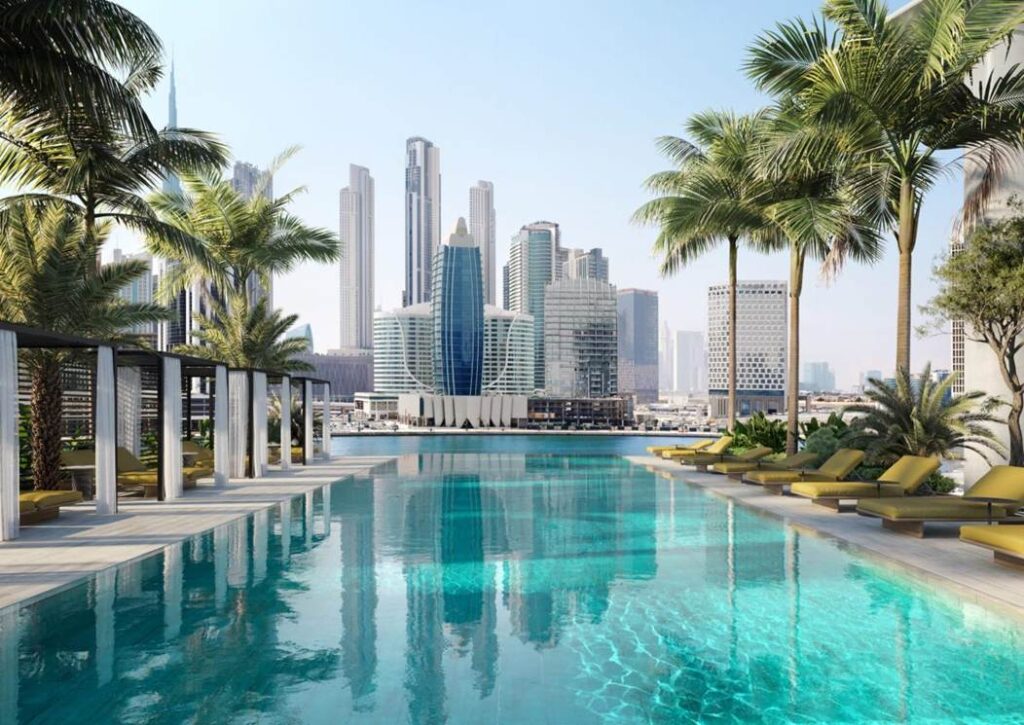
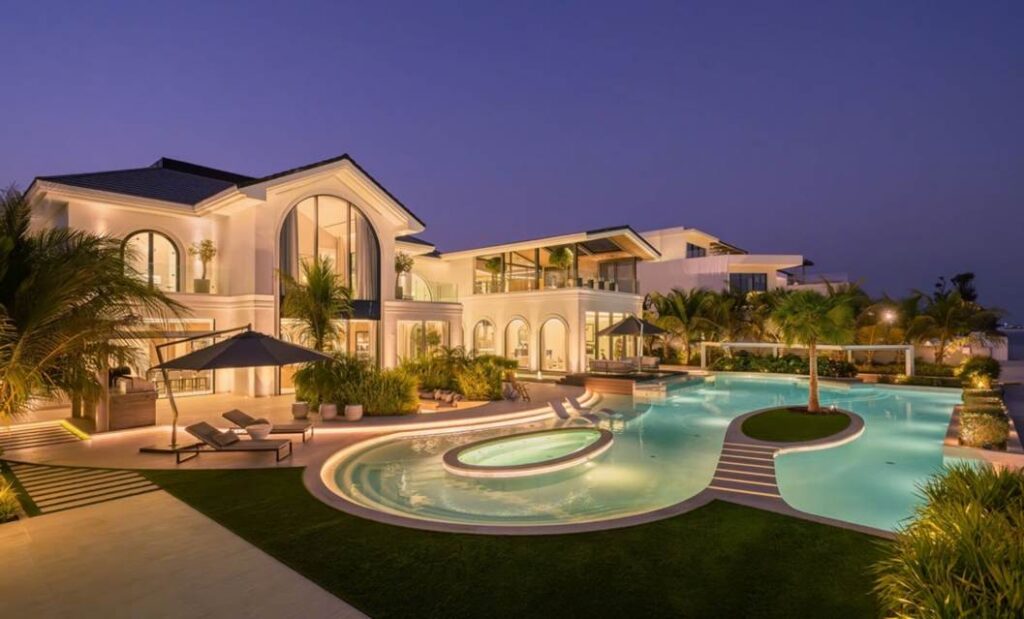
Dubai’s luxury real estate market is experiencing record-breaking growth, with sales of AED 10 million and above multiplying tenfold since 2020. Once a niche segment, the ultra-prime property market has now become a core driver of the city’s real estate success, reflecting a wider shift in global wealth migration and lifestyle preferences.
A Surge in High-End Transactions
In 2020, Dubai recorded just 469 property sales valued above AED 10 million. By 2024, that number had soared to 4,670—marking a tenfold increase in four years. The momentum has continued into 2025, with over 1,300 ultra-luxury homes sold in Q1 alone, representing a 31 percent rise compared to the same period the previous year.
Demand Shifts Toward Villas
Villas now account for nearly 70 percent of AED 10 million+ sales, underscoring a growing preference for expansive private residences. While branded and waterfront apartments remain strong in price per square foot—reaching around AED 5,400—villas have become the volume leaders in the luxury space.
Palm Jumeirah remains a top-performing area, with 127 transactions over AED 10 million recorded in 2024, accounting for over AED 2.3 billion in total value. Other high-performing neighbourhoods include Emirates Hills, Dubai Hills Estate, Jumeirah Bay Island, District One, and the rapidly rising Palm Jebel Ali.
Jumeirah Islands, once outside the ultra-luxury spotlight, recorded 89 villa sales above AED 10 million in 2024. By contrast, this area had no such sales before 2021.
Off-Plan Dominance and Supply Challenges
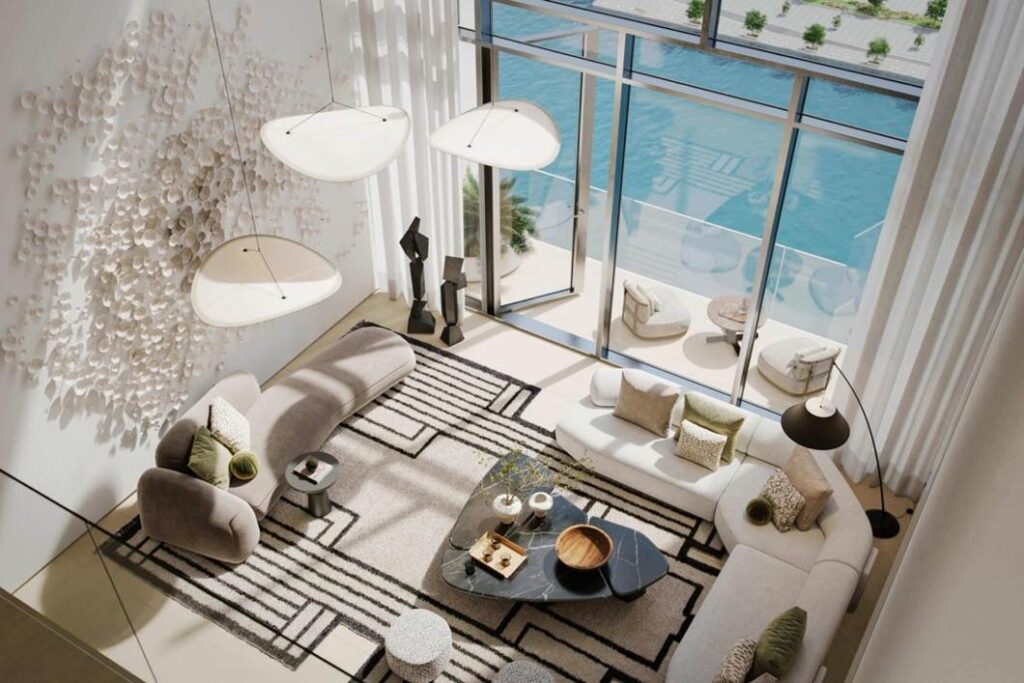
Off-plan properties have taken a dominant share of the market, with 69 percent of AED 10 million+ sales occurring in developments still under construction—up significantly from just 14 percent in 2020. This trend reflects growing buyer confidence in Dubai’s future and in the developers delivering these high-value projects.
Despite the delivery of around 9,000 new villas in 2024 and plans for nearly 20,000 more in 2025, inventory remains tight. Listings for properties over USD 10 million have declined by nearly two-thirds, fuelling price competition and sustained demand.
Rising Prices Reflect Global Appeal
The overall price of Dubai homes rose by 19.1 percent in 2024, with villa prices climbing 20.2 percent. In many prime locations, such as Palm Jumeirah and Emirates Hills, prices rose by roughly 20 percent in just one quarter, and values have nearly doubled since 2020.
Dubai now leads the world in $10 million+ home sales, outpacing traditional luxury markets like London, New York, and Miami. Despite this dominance, the city remains relatively affordable for global investors. A $1 million budget can secure approximately 91 square meters of prime property in Dubai, compared to just 33 square meters in London or 34 in New York.
Wider Economic Impact
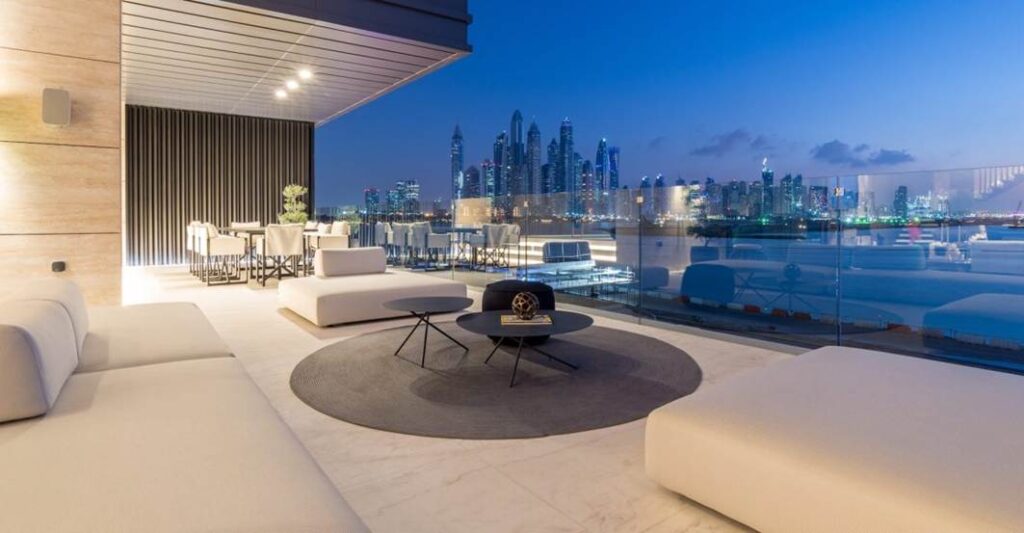
The surge in ultra-luxury real estate activity is not just reshaping the housing market — it is playing a significant role in strengthening Dubai’s wider economy. Each high-value property transaction contributes to multiple sectors, including construction, interior design, legal services, private banking, and hospitality. Developers are responding to demand with ambitious new projects, which in turn create jobs and stimulate infrastructure upgrades.
Additionally, the luxury property boom supports the UAE’s position as a destination for wealth preservation. Many buyers are not only purchasing homes but also relocating their families and businesses, enrolling children in private schools, and setting up investment portfolios — all of which deepen their long-term ties to the region.
Investor Confidence and Lifestyle Value
What sets Dubai apart is the way it combines hard asset value with lifestyle desirability. Investors are not simply chasing returns — they are seeking homes that align with a certain standard of living: beachfront views, private pools, gated security, and proximity to world-class amenities.
The city has also enhanced its international appeal with policies that support property-based residency, flexible ownership structures, and visa options for investors, retirees, and entrepreneurs. These initiatives have made Dubai an increasingly permanent base for wealthy individuals who may have once viewed it only as a secondary home market.
A Changing Buyer Profile
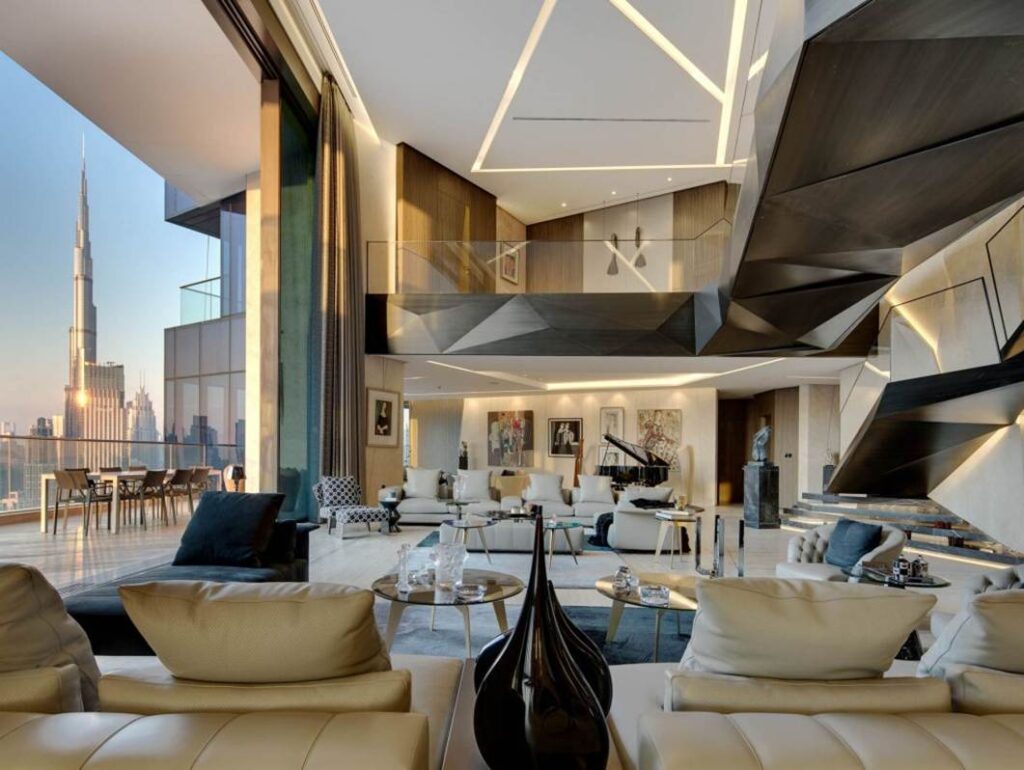
While Dubai has always attracted international investors, the profile of today’s buyers is more diverse and globally dispersed than ever before. Ultra-wealthy individuals from Europe, Asia, and North America are being joined by new buyers from countries with tightening tax regimes or political uncertainty. At the same time, more residents are moving up the property ladder, upgrading from mid-market apartments to villas in prime neighbourhoods.
This growing appetite across demographics suggests a maturing luxury market—one that is no longer dependent on speculative investors but is rooted in real end-user demand.
Risks and Sustainability
As with any fast-growing market, there are concerns about sustainability. Supply is currently lagging behind demand, which could lead to overheating if not balanced carefully. Developers and regulators will need to ensure that quality, transparency, and delivery timelines remain strong, especially in the off-plan sector.
However, Dubai’s leadership has demonstrated a long-term commitment to urban planning, regulation, and economic diversification. Unlike previous cycles, the current boom appears grounded in strategic growth rather than short-term speculation.
The Outlook
Dubai’s luxury real estate market is expected to remain resilient in the years ahead. The combination of strong fundamentals, proactive government policy, and growing global interest continues to drive confidence.
As global wealth continues to shift eastward — and as more individuals reevaluate where they live, work, and invest — Dubai stands at the crossroads of global capital and cosmopolitan living. It is not simply a hotspot for property investors; it is a blueprint for the future of luxury urban development.